Disaster Preparedness During Tornado Season: Evaluating and Implementing Effective Shelter Strategies
You’re at risk in any U.S. state, so know your area’s peak season and don’t rely on myths like hills offering safety. Pick a basement corner or interior hallway on the lowest floor, away from windows. If you’re in a mobile home or lack a safe room, go to a community shelter-many meet FEMA standards and are worth using when warnings hit. Keep a 72-hour kit with water, food, meds, and a radio. Drills should take under a minute, in the dark or during outages. A tested plan beats last-minute guesses every time, and there’s more you can do to stay protected.
Notable Insights
- Assess your home’s safest shelter area, prioritizing a basement or interior room on the lowest floor away from windows.
- Identify community storm shelters in advance, especially if living in a mobile home or unreinforced structure.
- Equip your shelter with a 72-hour disaster kit including water, food, first aid supplies, and communication tools.
- Conduct monthly tornado drills to ensure all household members can reach shelter in under 60 seconds.
- Recognize early tornado signs and use multiple alert systems, such as weather radios and smartphone alerts, for timely warnings.
Know Your Tornado Risk: And When to Act
Even if you’re not in “Tornado Alley,” your risk might be higher than you think-tornadoes have touched down in every U.S. state, and peak season varies by region, so knowing your local threat window matters. Relying on Tornado myths, like assuming hills or rivers protect you, increases danger-these offer no reliable defense. You need accurate info, not folklore. Watch for early signs: a dark, rotating cloud, sudden wind shifts, or an approaching roar similar to a freight train. These indicators often precede warnings by minutes, giving you a narrow window to act. Mobile alerts and NOAA weather radios improve response time, but they’re only effective if you understand what to expect. Knowing your area’s typical tornado timing-spring afternoons in the South, summer evenings in the North-helps you stay alert when risk is highest. Awareness beats reaction. Having a reliable emergency shelter can make all the difference during unexpected tornado events.
Find the Safest Tornado Shelter in Your Home
Where should you go when the tornado warning sounds? Your safest bet is a basement corner, ideally away from windows and heavy furniture overhead. If you lack a basement, move to the lowest floor and choose an interior hallway near the center of your home. These spaces offer more walls between you and outside wind, increasing protection. An interior hallway should be small, with no exterior walls or windows. Avoid rooms with wide-span roofs like gyms or large living areas. Mobile homes aren’t safe-leave them immediately. A basement corner minimizes exposure to potential collapse and flying debris. Time matters, so identify your shelter spot now and practice getting there quickly. Seconds count, and structural location is proven to impact survival odds. Don’t waste time deciding-know your route and go fast when the warning hits.
Go to a Community Shelter? Here’s When and How
Why rely on your home shelter when a stronger option might be nearby? Community shelters often meet FEMA storm-resistant standards and offer robust protection, especially if you live in a mobile home or unreinforced structure. You should consider going to one if local warnings indicate a high-risk tornado and your home shelter lacks adequate reinforcement. These centers provide more than safety-they offer community support during crises, helping reduce stress and confusion. Check your county’s emergency management website for locations. If you don’t have a working vehicle, emergency transportation may be available through local services; confirm in advance. Arrive early to secure space and avoid last-minute travel risks. Understand that while shelters can be crowded, they’re designed for short-term occupancy with clear safety protocols. Use them when safer than staying put.
Pack a Tornado Survival Kit: Essentials You Need
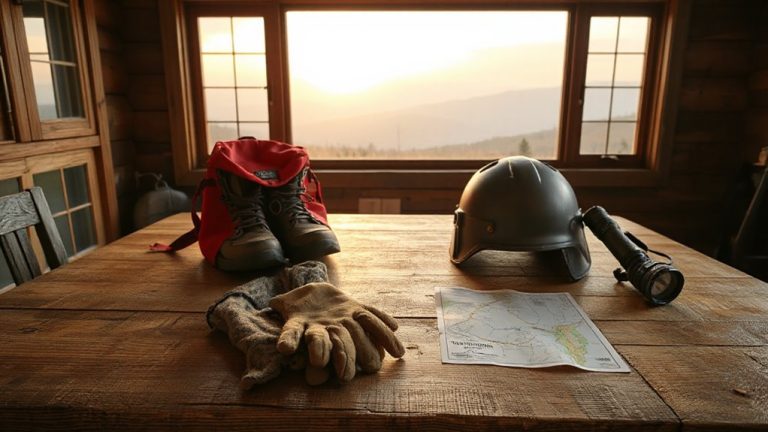
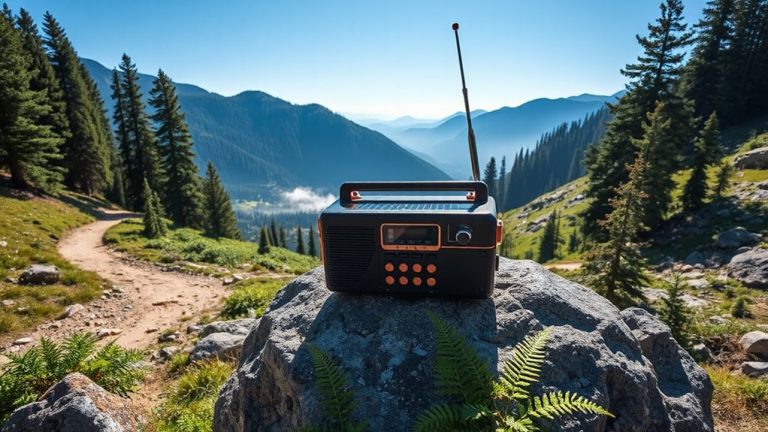
If you’re caught without power or access to supplies after a tornado, a well-stocked survival kit can keep you safe for up to 72 hours-long enough to wait out the worst and until help arrives. Your emergency supplies should include at least one gallon of water per person per day, non-perishable food, a manual can opener, and a first aid kit with trauma dressings. A battery-powered or hand-crank radio guarantees you stay informed if cell service fails. Flashlights with extra batteries outperform candles, reducing fire risk. Include N95 masks for dust and a whistle to signal for help. Survival gear like thermal blankets retain body heat better than cotton. Pack medications, copies of IDs, and cash in a waterproof bag. A multi-tool offers utility without bulk. Store everything in a durable, easy-to-carry container. Rotate perishable emergency supplies every six months to maintain effectiveness. For reliable options, consider reviewing the best emergency kits recommended for comprehensive preparedness.
Run Shelter Drills: How to React When Warnings Hit
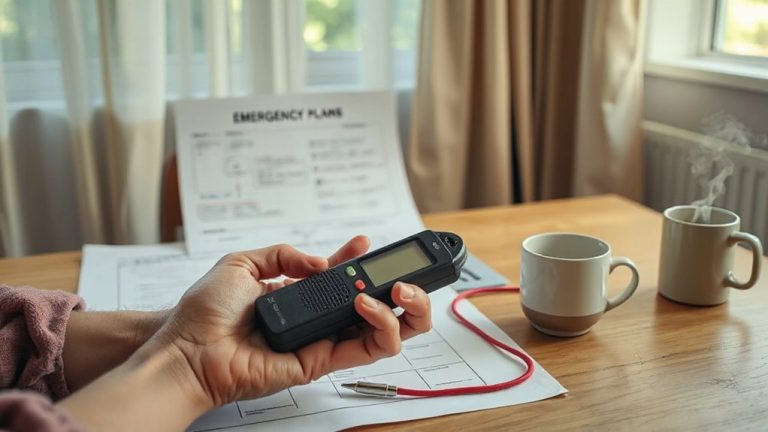
You’ve packed your survival kit, but knowing where it is won’t matter if you don’t get to shelter fast. When tornado sirens blare or emergency alerts hit your phone, every second counts. Practice getting to your safe spot in under 60 seconds. Use drills to identify bottlenecks, like blocked hallways or slow door latches.
| Drill Factor | Real-World Impact |
|---|---|
| Response time | Faster moves reduce risk during sudden warnings |
| Alert source | Phone alerts may lag; sirens aren’t always heard indoors |
| Family roles | Clear tasks prevent confusion, especially with kids or pets |
Repeat drills monthly. Test different scenarios-night, power outage, one exit blocked. Adjust routes based on performance. Relying only on tornado sirens is risky; combine with weather radios and smartphone alerts for redundancy. Drills expose gaps you can’t predict. Fix them before the real event hits. A reliable best weather radios selection ensures you receive timely warnings even when other systems fail.
On a final note
You know your risk and have a plan-now make sure it works. A basement or interior room without windows offers best protection; above-ground shelters must meet FEMA P-320 standards. Test your kit: water (1 gal/person/day), meds, flashlight with batteries last 8 hours. Drills reduce reaction time by 40%. Mobile homes aren’t safe-evacuate to sturdier structures. Community shelters cut exposure by 70% if within 10 minutes’ walk. Prepare once, survive faster.