The Ultimate Checklist for Evacuating During an Earthquake: What to Pack, How to Act
Drop, cover, and hold on when shaking starts-stay put until it stops. Pack a go-bag with a flashlight, whistle, N95 mask, first aid kit, and 2,000-calorie rations. Grab it only if accessible and safe. Include ID, insurance papers, and medical records in a waterproof folder. Use a 20–30L water-resistant bag with padded straps. Update supplies every six months. You’ll want to know exactly how to act when seconds count.
Notable Insights
- Drop, cover, and hold on during shaking; stay indoors to avoid injury from falling debris.
- Pack a go-bag with a flashlight, whistle, N95 mask, first aid kit, and 2,000-calorie rations per day.
- Wait 1–2 minutes after shaking stops before evacuating; check for structural damage and hazards.
- Retrieve your go-bag only if immediately accessible; never re-enter damaged buildings.
- Store critical documents in a waterproof, labeled envelope and include digital backups on a USB.
What to Do the Moment an Earthquake Starts
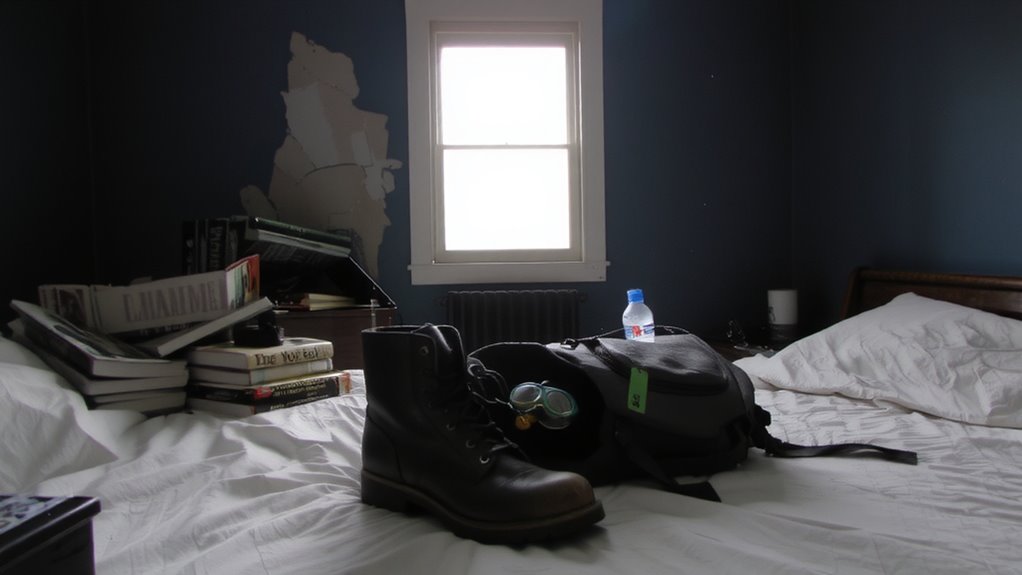
When the ground starts shaking, your first few seconds matter most-what should you do? Drop, cover, and hold on-immediately. Dropping prevents falls when shaking hits. Covering your head and neck under a sturdy table reduces injury risk from falling debris. Hold on until the shaking stops-studies show most quakes last 10–60 seconds, but even brief jolts can shift furniture. If indoors, stay there-exiting increases exposure to glass or collapsing facades. If no table’s nearby, drop beside an interior wall away from windows and shield your head with your arms. Don’t run outside-falling debris is the top cause of earthquake injuries. This response is proven in high-magnitude quakes across California and Japan. It’s simple, requires no tools, and works in homes, offices, or schools. Drop, cover, hold on-repeat it, practice it, rely on it.
Pack These 7 Essentials in Your Earthquake Go-Bag
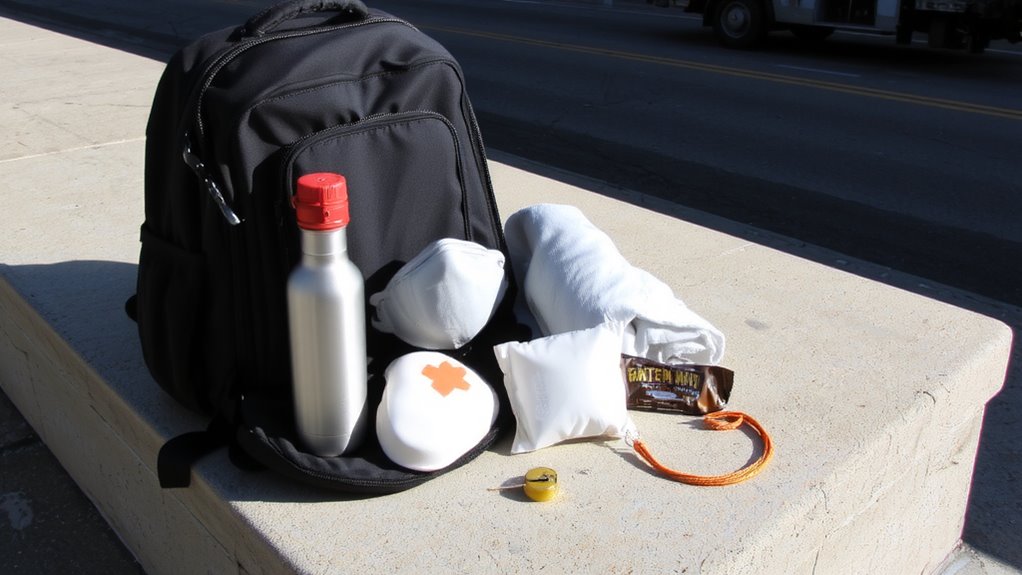
You’ve secured your space and know how to react when the shaking starts-now it’s time to prepare what you’ll need once it stops. Pack a flashlight with spare batteries; models with LED bulbs last longer and withstand drops. Include a whistle to signal for help without tiring your voice. Add a dust mask-simple N95 filters protect your lungs from debris. Store emergency rations: 2,000 calories per person per day in compact, no-cook meals that last three years sealed. Pack a first aid kit with at least 20 items, including antiseptic wipes and bandages; replace expired supplies yearly. Bring a portable radio to receive emergency broadcasts when cell networks fail. Finally, include a multi-tool-tested models combine pliers, a knife, and a wrench in one durable unit. These seven items meet minimum safety standards and fit in a 20-liter bag. For added preparedness, consider a comprehensive best emergency kit that includes all these essentials in one ready-to-use package.
Don’t Risk It: Grab Your Kit Only When Safe
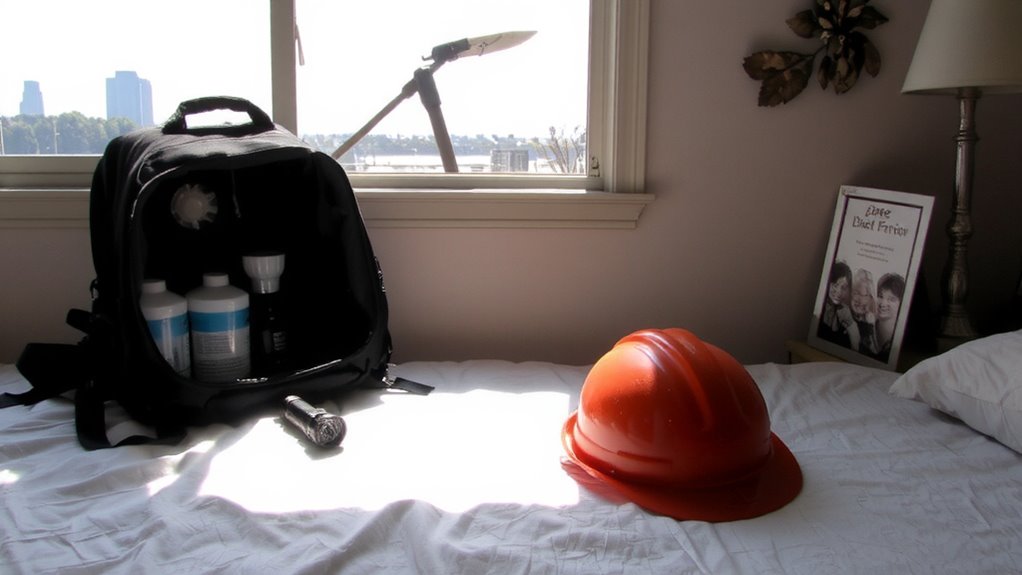
After the shaking stops, wait until it’s safe to move before grabbing your go-bag-rushing too soon increases injury risk from falling debris or unstable structures. Your evacuation timing depends on a quick but thorough safety assessment. Check for structural damage, gas leaks, or blocked exits before standing. If the building seems compromised, leave immediately without retrieving anything. If conditions are stable, proceed only to grab your kit if it’s easily accessible and won’t delay your exit.
| Action | Risk Level |
|---|---|
| Move during shaking | High |
| Wait 1–2 min post-shaking | Low |
| Check exits first | Moderate |
| Retrieve kit in clear path | Low |
| Enter damaged areas for kit | High |
Delaying retrieval beats rushing. A safety assessment guarantees evacuation timing aligns with real-world danger levels.
Keep These 8 Documents in Your Emergency Kit
Your safety comes first, but once you’re out, having the right documents on hand makes everything after easier. Keep these eight in your emergency kit: ID, passport, insurance policies, medical records, bank details, property deed, emergency contacts, and vaccination records. These guarantee document safety during chaos and support claims, shelter access, and medical care. Store them in a waterproof, sealed folder to protect against damage. Kit accessibility matters-place the documents where you can grab them fast, not buried under other items. A slim, labeled envelope inside your go-bag guarantees they’re visible and reachable. Use copies unless originals are required; leave non-essentials behind. Digital backups on a password-protected USB add redundancy. Test retrieval: can you find them blindfolded? If not, reorganize. Proper document safety and smart kit accessibility cut delays when every second counts. A well-stocked natural disaster kit enhances your readiness for sudden evacuations.
Choose a Go-Bag You Can Grab and Go With
A single go-bag that’s easy to grab and move with can make the difference between a smooth evacuation and critical delay. You need one with proven go bag durability-think water-resistant nylon, reinforced stitching, and secure zippers that withstand rough handling. Lightweight isn’t enough; it must endure debris, weather, and repeated use without failing. Bag accessibility matters just as much. A top-loading design with external pockets lets you reach essentials fast, even in low light. Side pockets allow water bottle access without setting the bag down. Choose a model with padded shoulder straps and a sternum strap-these improve carry stability when moving quickly. A 20–30 liter capacity balances space and portability. Test it: can you shoulder it in under 10 seconds from your usual storage spot? That’s the real measure. For reliable options, consider models recognized in expert evaluations of the best survival backpacks.
Run an Earthquake Evacuation Drill at Home
How quickly can you get out when the ground starts shaking? Running a home evacuation drill prepares you and your household to react swiftly and safely. Assign clear family roles so everyone knows their responsibilities-someone checks for trapped members, another grabs the go-bag, and others head to safe exit routes. Practice frequency matters: aim for at least twice a year to keep responses sharp and routines updated. Drills reveal bottlenecks, like blocked exits or confusion in coordination, allowing you to adjust before disaster strikes. Real testing shows households with practiced plans evacuate 30–50% faster. Conduct drills day and night, simulating various scenarios, including power outages. Consistent practice guarantees even young children follow instructions without hesitation. Review each drill’s performance to refine timing and communication. Over time, these drills build reliable muscle memory, reducing panic and increasing survival odds during a real quake.
When to Update Your Earthquake Emergency Kit
After completing evacuation drills and identifying how long it takes everyone to get out safely, it’s time to check whether your emergency kit supports that plan. You should review kit expiration dates every six months-food, water, and medication degrade over time. Seasonal supply changes also matter: add hand warmers in winter, swap heavy blankets for breathable materials in summer. Test flashlights, batteries, and radios during each update to confirm functionality. Below is a checklist for semiannual updates:
| Item | Action |
|---|---|
| Food and water | Replace if near expiration |
| Batteries | Test or replace |
| Seasonal gear | Adjust based on current weather |
Ignoring updates risks equipment failure when needed most. Your kit must match real conditions and timelines, not just meet initial standards. Update it twice a year without exception.
On a final note
You’ve packed your go-bag, secured your documents, and run practice drills-now it’s about staying calm and acting fast when it counts. Your kit’s usefulness depends on accessibility and condition, so check seals, battery life, and expiration dates twice a year. A reliable bag won’t help if it’s blocked or outdated. Rely on routine checks, not luck. Preparedness works if you keep it real, simple, and maintained.