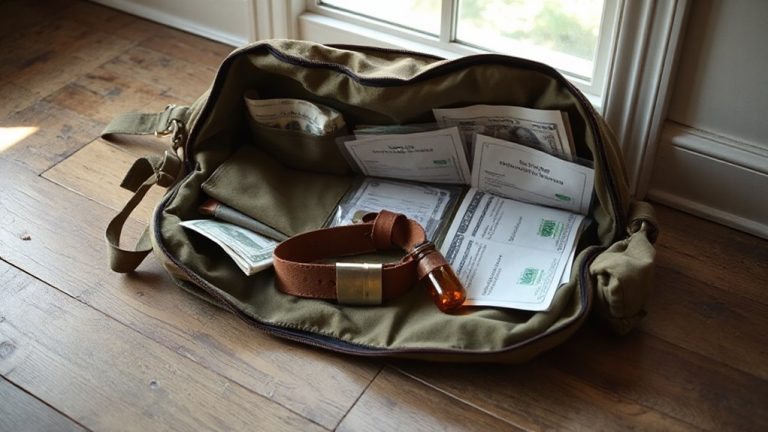
Building Community Networks for Mutual Aid During Extended Disasters
You don’t need apps or funding to build a resilient network-just regular check-ins, shared skills, and simple tools. Organize neighbors to assign roles, use hand-crank radios and paper maps, and test communication monthly. Prioritize face-to-face contact, especially with vulnerable individuals, and run quarterly drills. Trust grows through consistent action, not sentiment. When systems fail, your group responds faster than official aid. Proven coordination means water, warmth, and care continue past 72 hours-find out how to make yours functional in real conditions.
Notable Insights
- Establish baseline trust by formalizing neighbor check-ins, tool sharing, and outage coordination through regular meetings.
- Identify and support vulnerable individuals early with daily face-to-face checks and rotating food and supply deliveries.
- Use low-tech communication tools like hand-crank radios, paper maps, and shared notebooks to maintain contact during system failures.
- Organize quarterly emergency drills with assigned roles to ensure rapid, coordinated responses without external assistance.
- Build reliable mutual aid by tracking participation, hosting skill swaps, and proving effectiveness through sustained action over time.
Start a Mutual Aid Group in Your Neighborhood
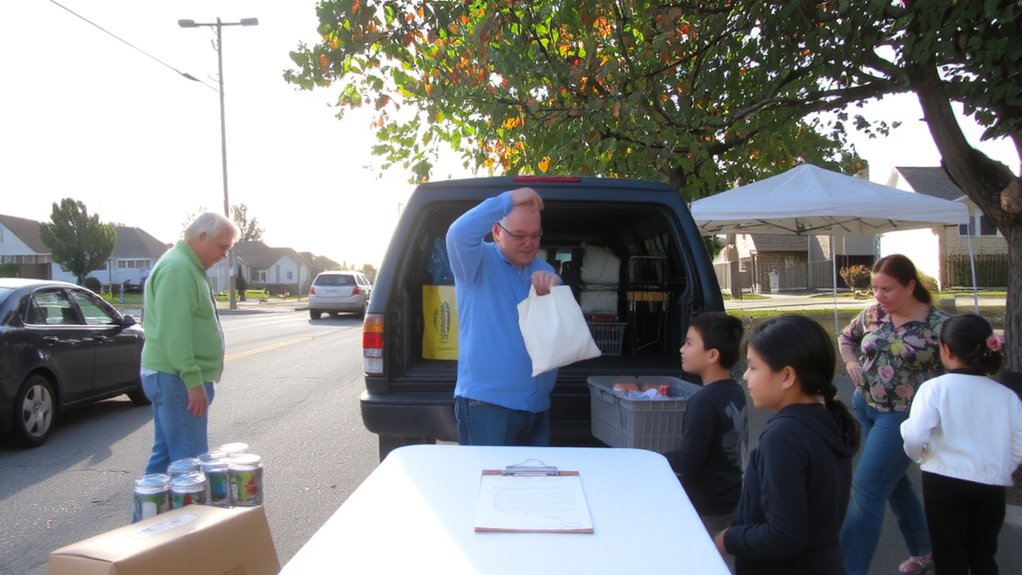
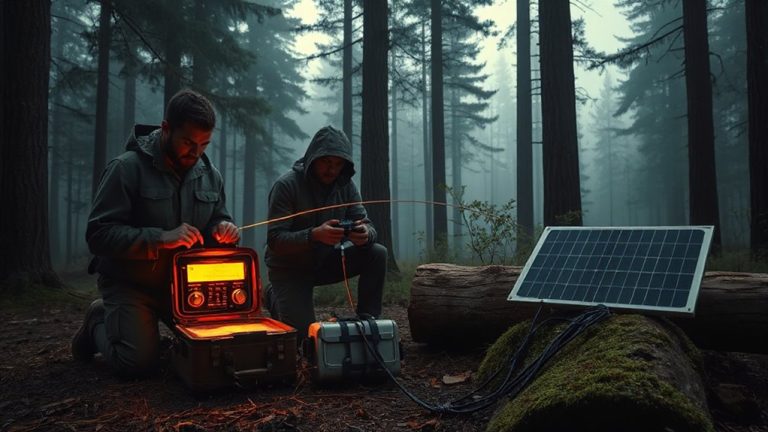
How do you know if your neighborhood is ready for mutual aid? You see people checking on each other, sharing tools, or coordinating during outages. That baseline trust exists. Now, formalize it. Start by gathering neighbors to discuss roles, resources, and communication plans. Use free apps or hand-crank radios for contact-test them monthly. Organize skill shares: identify who knows first aid, plumbing, or radio operation, and schedule trainings. Knowledge spreads resilience. Plan safety drills every quarter-fire, blackout, medical emergency-so responses become routine. Assign teams, rotate leadership, document outcomes. A mutual aid group isn’t a social club; it’s a functional unit. Success isn’t measured in meetings held but in tasks completed under pressure. If your group can respond to a simulated crisis with clear roles and working tools, you’re prepared. Keep evaluations honest. Adjust based on performance, not opinion. A reliable communication strategy includes having a best emergency radio to ensure updates are received during power outages or network failures.
Support Vulnerable Neighbors When Systems Fail
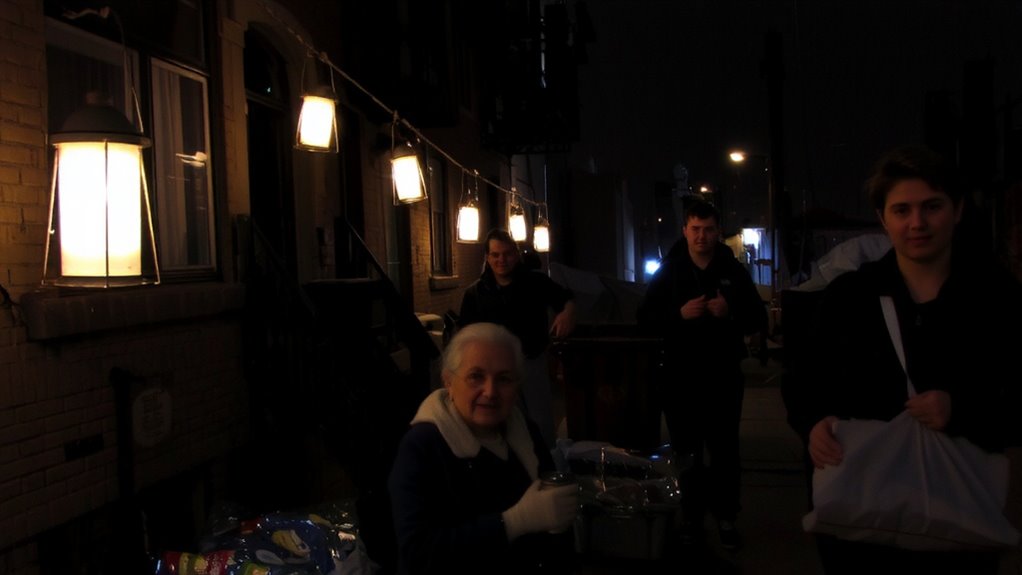
When the power goes down and phones die, it’s not just inconvenience-it’s danger for those who rely on medical devices, regular medication, or daily check-ins. You need to identify vulnerable neighbors now-elderly, disabled, chronically ill-so you can check on them quickly when systems fail. Establishing food sharing guarantees they get nutritious meals, especially when supply chains break. A simple rotating delivery roster works better than large stockpiles no one can access. Emotional support matters too; isolation worsens health outcomes. Brief daily visits reduce stress and let you spot early warning signs. Use face-to-face check-ins since tech may not work. You’re not providing medical care-you’re maintaining stability. These actions extend resilience without special tools or training. Practical, consistent support sustains more lives than emergency responses alone.
Use Simple Tools to Coordinate Mutual Aid Efforts
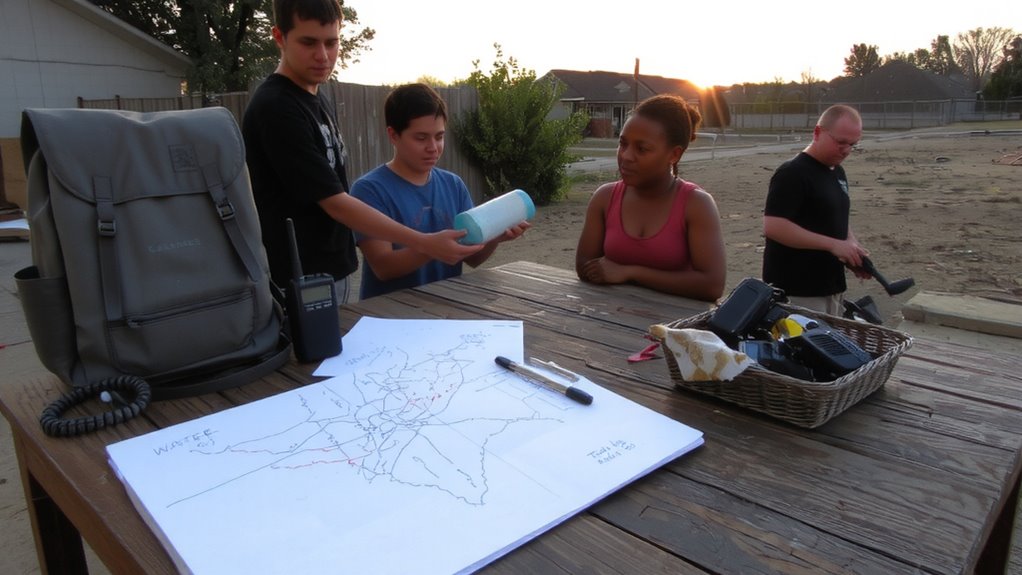
You’ve already identified who needs help and started check-ins, so now it’s time to keep things running without overcomplicating them. Use paper maps and shared notebooks for resource mapping-low-tech, reliable, and accessible to everyone. Mark locations of water sources, generators, or medical supplies clearly. These don’t fail when power or cell service drops. Pair that with skill sharing: list who can do what-first aid, bicycle repair, elder care-in a printed directory updated weekly. Avoid apps that require constant internet or new training. Simple tools reduce confusion and work across age groups. You don’t need real-time updates as much as you need consistent, accurate information. A clipboard at a central point performs better than a crashed server. Resource mapping and skill sharing are most effective when they’re easy to maintain and don’t depend on fragile infrastructure. Keep it basic.
Build Trust Without Putting People at Risk
Why do some groups hold together in crisis while others fall apart? You build trust by showing up consistently, not perfectly. Start small: organize shared meals using available supplies, rotating who coordinates. These gatherings aren’t about abundance-they’re about reliability. People remember who brings food, who listens, who stays calm. Skill swaps work the same way. Offer what you know-first aid, radio use, water purification-and learn what others bring. Each exchange logs a traceable contribution. Trust accumulates when actions match words over time. Avoid overpromising. Don’t claim skills you haven’t tested. Shared meals and skill swaps create measurable interactions: attendance, participation, follow-through. These are your metrics. Use them to assess who’s dependable. You’re not building friendships-you’re verifying function under stress. That’s the only trust that matters when systems fail and the real work begins.
Why Mutual Aid Works When Help Is Delayed
Consistency builds the foundation, but it’s during the gaps-when outside help doesn’t show-that mutual aid proves its worth. You rely on neighbors because they’re already there, not stuck in traffic or blocked by debris. Shared resources-like water filters, generators, or medical supplies-get rotated and tested before crisis hits, so they work when needed. There’s no paperwork, no waitlists-just direct action. You’ve practiced check-ins and supply runs, so response is faster than formal systems. Collective resilience isn’t about sentiment; it’s measured in calories distributed, wounds treated, and warm rooms maintained over 72+ hours. Systems fail. Roads close. Mutual aid doesn’t replace institutions, but it fills the operational gaps they can’t. Your network’s strength isn’t in size-it’s in repeated, reliable contact. When help is delayed, it’s often the only system still running.
On a final note
You can start a mutual aid group in your neighborhood with just a phone and a list of neighbors. It works best when communication is clear and needs are documented. Simple tools like paper sign-up sheets or group texts beat unreliable apps during power outages. Trust builds faster when actions are consistent, not grand. During extended disasters, this system delivers food, medicine, and checks-proven in storms and blackouts. It’s not perfect, but it’s measurable: fewer people fall through the cracks.