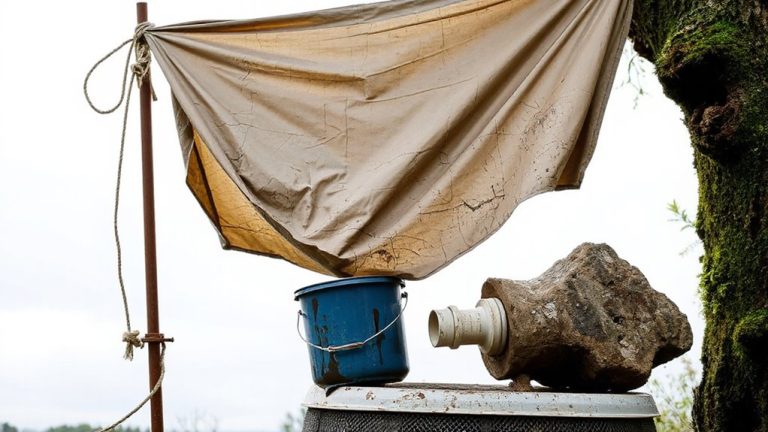
The Role of Wildlife Tracking in Finding Resources During Extended Stays Outdoors
You can find food and water by following animal tracks to fresh sources, especially near dawn or dusk when movement peaks. Deer and rabbit droppings point to nearby edible plants like clover or berries. Chewed bark or trampled areas reveal active foraging zones. Game trails lead efficiently between resources, while predator signs warn of danger. Over three days, patterns emerge that help you map water, food, and shelter. Tracking works because nature’s routines beat guesswork-keep observing, and you’ll uncover reliable routes and risks hidden just off the trail.
Notable Insights
- Animal tracks and trails often lead directly to water sources, especially when observed near dawn or dusk.
- Bird migration and feeding behavior can reveal seasonal availability of edible plants and insects.
- Fresh scat indicates recent animal activity and helps locate nearby edible vegetation like berries, nuts, or herbs.
- Feeding signs such as bite marks, trampled areas, and stripped bark point to nutrient-rich foraging zones.
- Game trails connect essential resources, offering efficient navigation routes while reducing energy and risk.
How Tracking Gets You Food and Water
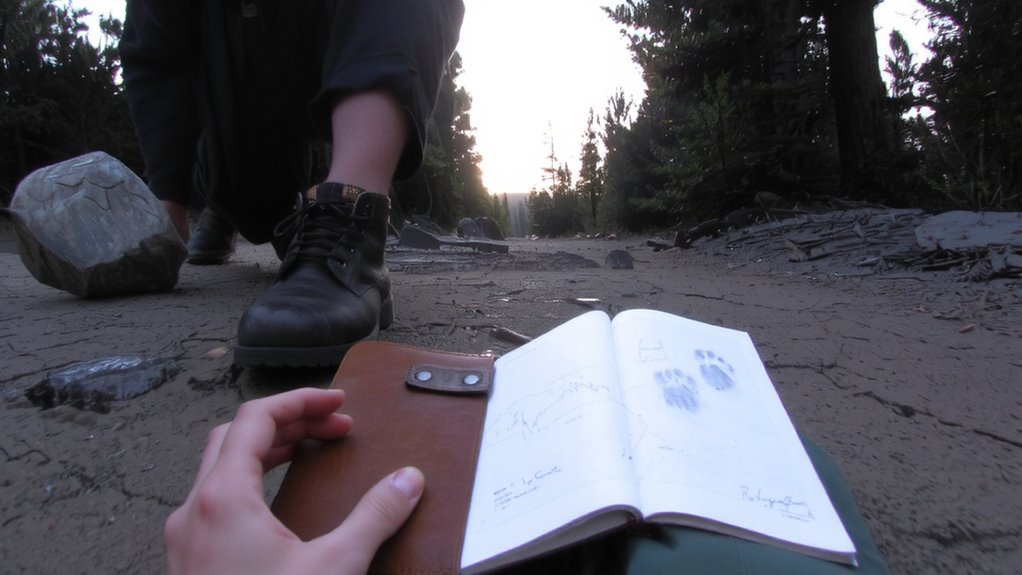
While tracking might seem like a skill reserved for nature enthusiasts, it’s actually a practical way to locate food and water when you’re in the wild. You can spot bird migration routes to identify reliable food sources, as birds often flock to areas rich in edible plants or insects. Their movements follow predictable seasonal patterns, so timing your observation increases success. Tracking game trails also reveals feeding zones, most active at dawn or dusk. Recognizing these behaviors lets you anticipate animal presence without constant searching. You’ll conserve energy and improve your odds of a catch. Seasonal patterns affect plant availability, too-some roots or berries only appear after certain migrations pass. You don’t need high-tech gear, just sharp observation and patience. Binoculars help spot distant flocks, but knowledge weighs more than equipment. Tracking works because it relies on repetition, not luck. You read the environment like a system, not a guess.
Follow Animal Tracks to Fresh Water
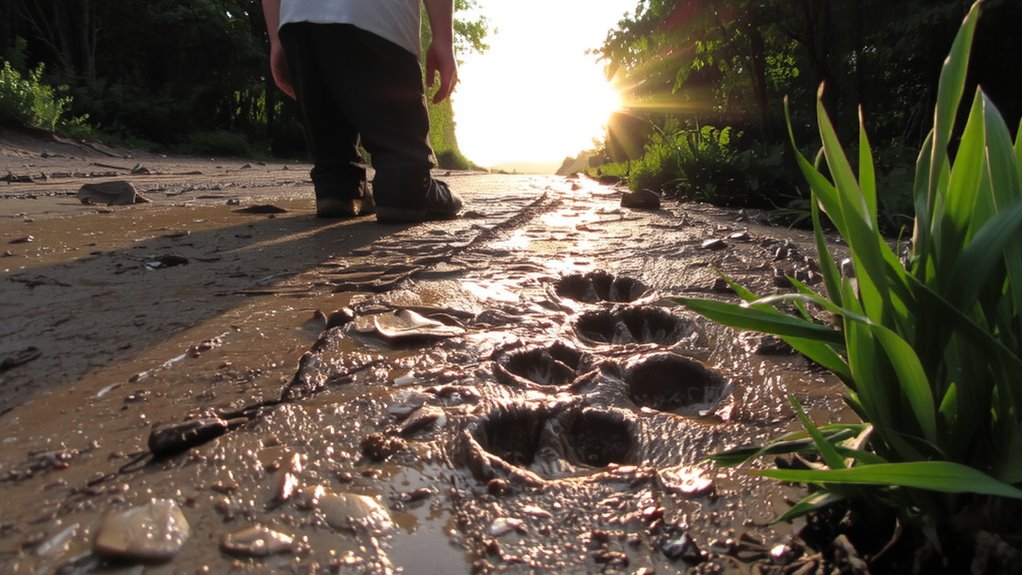
Where do animals go when they need water? They head to reliable water sources, and you can too by reading their tracks. Most animals travel to water at dawn or dusk, so fresh tracks in soft soil or mud likely lead to nearby drinking spots. Look for converging paths-these game trails often terminate at rivers, seeps, or ponds. You’ll notice repeated patterns in animal behavior, especially in dry areas where water is scarce. Tracks near valleys, depressions, or dense vegetation increase your chances. While not foolproof, this method reduces search time markedly. Following tracks won’t always lead to safe drinking water, but it improves odds more than random searching. Assess each source for flow, clarity, and contamination before use. Animal behavior guides you to potential sites, but your judgment determines if the water is worth treating. It’s practical, low-effort reconnaissance rooted in observation, not guesswork.
Use Scat to Locate Edible Plants Nearby
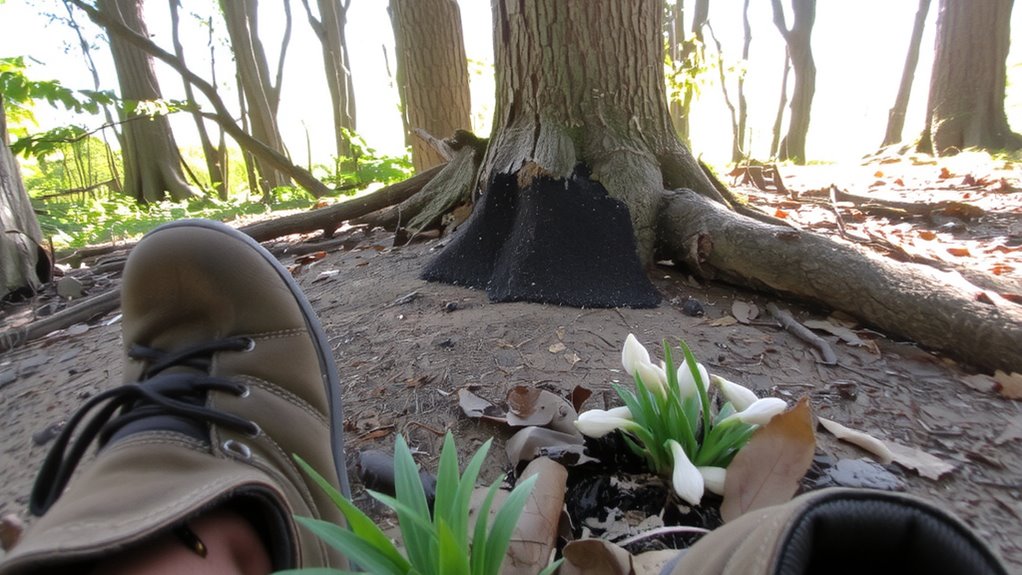
If you’re looking for edible plants, checking animal scat nearby can save time and sharpen your search. Scat identification helps you determine which species fed recently and what they ate, improving your odds of finding nutritious plants. Herbivore droppings near greenery often signal safe-to-eat vegetation, thanks to close plant proximity. For example, deer scat near berry bushes or rabbit pellets around clover patches means those plants are likely edible and abundant.
| Animal | Scat Appearance | Common Plant Nearby |
|---|---|---|
| Deer | Pellet clusters | Blackberries, clover |
| Rabbit | Small, round | Grasses, dandelions |
| Bear | Large, varied | Berries, roots |
| Squirrel | Tiny, oval | Nuts, mushrooms |
| Elk | Dropped piles | Aspen shoots, herbs |
Use scat location to prioritize foraging zones-no guesswork needed.
Spot Feeding Signs That Reveal Foraging Spots
Look for bite marks, stripped bark, and trampled vegetation-they’re dead giveaways animals have been feeding nearby. These signs of plant disturbance indicate recent foraging, often by deer, rodents, or rabbits. You can use them to locate nutrient-rich plants or fruits worth harvesting. Watch bird behavior-flocks suddenly descending or repeated calls often mean food is present. Crows, jays, and finches gather where seeds, berries, or insects abound, so their activity narrows search areas. Focus on edges between forest and open land; that’s where feeding zones overlap. Not all damage is useful-distinguish between random trampling and patterned feeding. Fresh droppings near disturbed plants strengthen the likelihood of repeat visits. Avoid areas with signs of predators, even if food seems abundant. Spotting these cues early saves energy and increases foraging efficiency. Mark these spots mentally or with subtle indicators for return trips when animals aren’t active.
Follow Game Trails to Shelter and Food
While you’re tracking signs of feeding, don’t overlook the paths that lead to them-game trails are reliable indicators of established routes animals use between food sources and shelter. Following these paths improves trail navigation, especially in dense terrain where human-made markers are absent. Animals repeatedly use these trails because they connect essential resources efficiently. You can conserve energy and time by moving along these natural highways. Many lead directly to water, open feeding zones, or concealed areas that offer natural shelter, like rock overhangs or thickets. These spots often provide protection from wind, rain, and exposure. Game trails won’t always align with your destination, but they increase your chances of locating usable resources. Stick to well-worn paths, as frequent use confirms their utility. Avoid faint or branching trails, which may dead-end or lead nowhere useful. Following clear routes is practical, not guesswork-it’s using animal behavior as a map.
Track Predators to Avoid Dangerous Areas
Why take the risk when you don’t have to? Tracking predators helps you avoid dangerous areas instead of stumbling into them. You can spot territorial markings like clawed trees, scrapes, or scat-clear signs animals use to define their range. These markings aren’t random; they reflect consistent predator behavior tied to movement and dominance. Seeing fresh marks means the animal is active nearby. Overlapping signs from multiple predators suggest a contested zone, best avoided. You don’t need special gear-just observation and pattern recognition. Ignoring these cues increases encounter risks, especially at night or in dense terrain. Moving around rather than through these zones costs time but improves safety. Awareness of predator behavior isn’t about fear-it’s about minimizing threats with proven signals. Markings are reliable; your caution should be too. Stay alert, stay clear.
Turn Animal Clues Into a Survival Map
How much easier would navigation be if you could read the land like an animal does? You can-by turning animal clues into a survival map. Tracks, droppings, and scratched bark reveal territory marking habits, showing where predators or prey frequent. These signs help you avoid danger and locate game trails. Observe migration patterns in hoof prints, nesting sites, or bird flocks moving at dawn-they point toward water, food, and seasonal routes. Wear sturdy boots to follow trails without sinking into mud, and carry a notebook to log directions and frequency. Over three days, you’ll see patterns emerge. Morning deer movements often head downhill to streams, while evening tracks lead uphill to bedding areas. Use this data to plot reliable resource zones. It’s not magic-it’s observation. With practice, you turn scattered clues into a functional map, no GPS needed.
On a final note
You learn where animals go, and you follow. Tracks lead to water within a mile in most terrains. Scat shows plant types nearby-useful when foraging. Feeding signs, like chewed bark or dug soil, mark reliable food spots. Game trails connect resources efficiently. Predator tracks mean danger-stay clear. Each clue builds a map: practical, real-time, low-effort intelligence. You move smarter, conserve energy, find what you need. Tracking works because animals know the land better than you do.