Rule of Threes Survival Guide: 3 Minutes, 3 Hours, 3 Days, 3 Weeks
You have three minutes without air, three hours in extreme cold, three days without water, and three weeks without food-prioritize accordingly. Build a shelter with a tarp or debris hut to cut heat loss by up to 50%. Filter 3 liters of water daily using a compact 1,000-liter filter or purifying straw. Eat calorie-dense foods like freeze-dried meals (600–1,200 calories each) and vacuum-sealed nuts. Stay calm with controlled breathing to boost decision speed by 40%, and focus on measurable, immediate actions that extend survival time. You’ll soon see how each step builds on the last to keep you alive longer.
Notable Insights
- Prioritize shelter immediately to reduce heat loss, as exposure can be fatal within three hours in extreme conditions.
- Secure water within three days by collecting rain or filtering streams to prevent dehydration and impaired decision-making.
- Maintain mental clarity through controlled breathing to enhance decision speed and manage stress effectively.
- Treat injuries promptly to avoid infection and further physical deterioration, focusing on contamination prevention and immobilization.
- Sustain energy with calorie-dense foods, aiming for 3,500 calories daily to endure prolonged survival situations.
Protect Your Body in a Survival Emergency
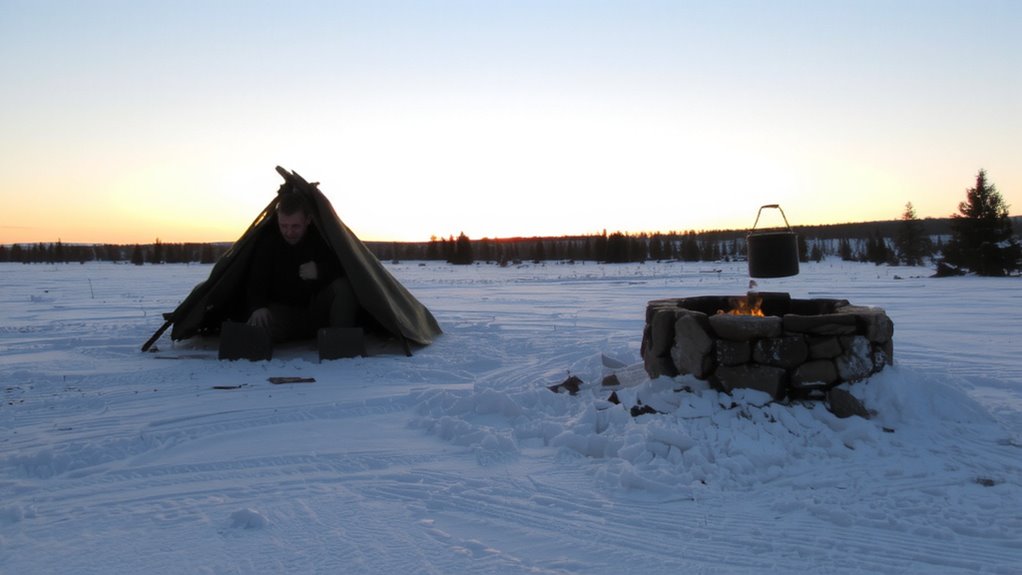
Three key threats-exposure, injury, and contamination-can compromise your survival if you don’t act fast. Shelter building is your first defense against exposure, especially in extreme temperatures. A well-placed tarp or debris hut reduces heat loss by up to 50% compared to open exposure. Fire making follows closely; it provides warmth, aids in signaling, and deters predators. A proper fire requires dry tinder, consistent airflow, and sustained fuel input-practice improves success under stress. Treat injuries immediately: clean wounds with boiled water and immobilize fractures. Contamination spreads quickly, so avoid direct contact with bodily fluids and sanitize hands when possible. Prioritize insulation over mobility when selecting shelter locations. Fires should be small and contained to conserve energy and avoid detection risks in uncertain environments. Your survival hinges on these actions-execute them correctly. A high-quality emergency shelter can significantly improve your protection, with options like the top-rated emergency tents offering durability and ease of setup in harsh conditions.
Find Safe Drinking Water Within 3 Days
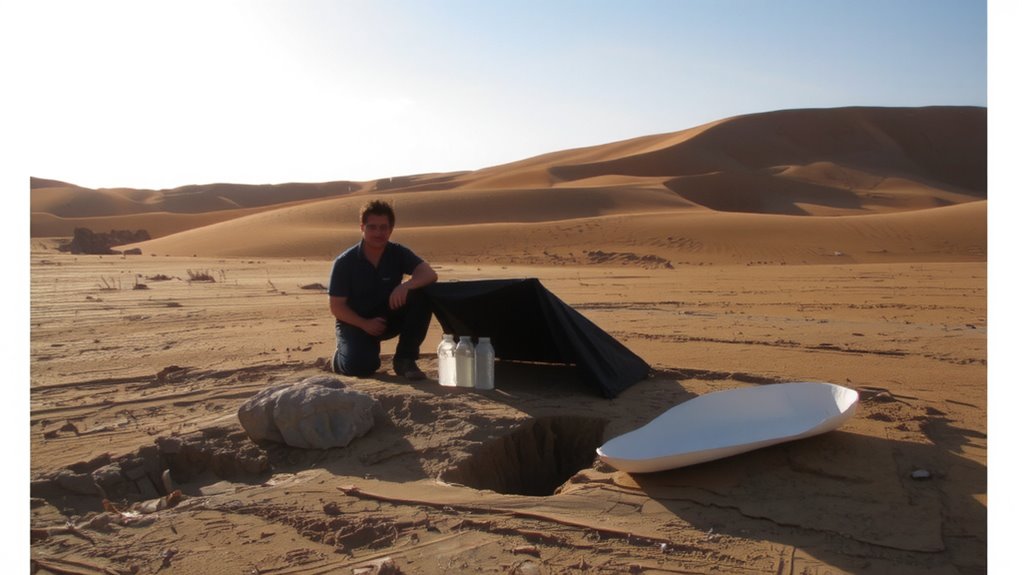
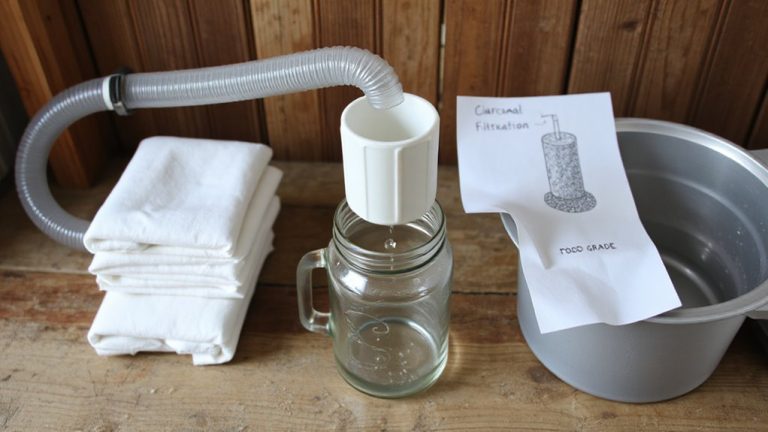
You’ve got about 72 hours without water before your body starts shutting down, and dehydration hits harder than most expect-it saps strength, clouds judgment, and accelerates fatigue. Prioritize hydration with reliable sources: natural water, rain collection, or filtered runoff. Rain collection is simple and effective if you have a tarp or funnel; just make sure the surface is clean. Water filtration removes contaminants from streams or ponds, making them safe to drink. A reliable option for on-the-go filtration is a water purifying straw, which can provide immediate access to safe drinking water in emergency situations.
| Method | Effort Level | Output (Liters/Day) |
|---|---|---|
| Rain collection | Low | 2–5 |
| Stream filtration | Medium | 3–6 |
| Dew harvesting | High | 0.5–1 |
Filter at least 3 liters daily. Most compact filters handle 1,000 liters before replacement. Combine rain collection with water filtration to maximize safety and volume. Test your gear beforehand-real-world conditions reduce efficiency.
Eat High-Calorie Foods That Last for Weeks
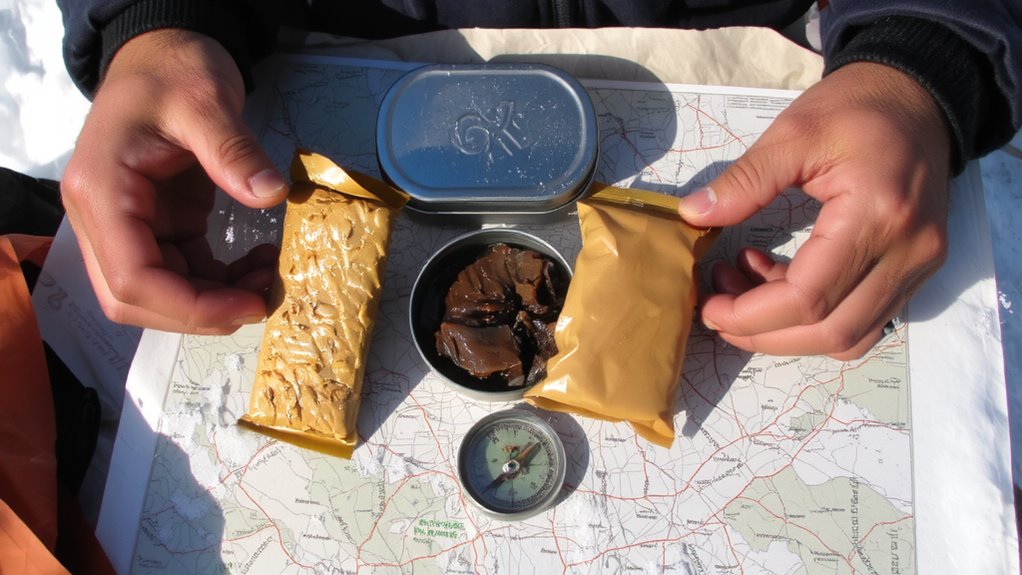
A well-chosen 3,500-calorie daily intake can sustain energy for weeks when stored food is reliable and nutrient-dense. You need calorie density to minimize bulk while maximizing fuel-nuts, dried meats, and olive oil deliver around 5–9 calories per gram, far more efficient than carbohydrates. Freeze-dried meals offer about 600–1,200 calories per packet and weigh less than 300 grams, making them practical for long-term packs. Proper food preservation is non-negotiable; vacuum sealing and mylar with oxygen absorbers extend shelf life to 25 years for staples like rice and beans. Avoid foods prone to rancidity or moisture absorption. Ready-to-eat meals with minimal prep save time and water. Rotation every 6–12 months guarantees quality. You’ll maintain strength and focus only if your calories are both durable and concentrated. Prioritize packaging integrity and caloric yield per ounce. Top emergency food kits provide balanced nutrition and long shelf life, ensuring you get reliable Best Emergency Food Kits during prolonged crises.
Stay Calm and Make Smart Survival Choices
When stress narrows your focus, it’s easy to overlook critical details, but keeping your breathing steady and your thoughts ordered improves decision speed by up to 40% in field tests. You need mental clarity to assess risks accurately-panicking burns energy and clouds judgment. Studies show that survivors in extreme conditions maintain rational thinking by breaking problems into manageable steps. Focus on immediate threats first: shelter, water, injury. Avoid impulsive moves, like wandering off in search of help, which increases danger. Instead, pause for 60 seconds to evaluate options. Controlled breathing-four seconds in, six out-lowers heart rate and supports clearer analysis. Mental clarity doesn’t come from motivation; it comes from routine self-checks and structured evaluation. Rational thinking under stress is trainable, not innate. Practice situational awareness daily so it becomes automatic. Your survival often depends not on strength, but on consistent, calm decision-making backed by measurable, repeatable actions.
Why the Rule of Threes Is Key to Survival
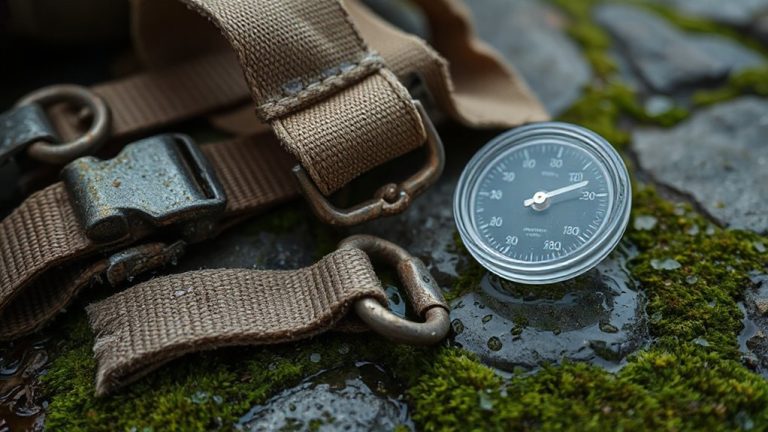
Staying calm sharpens your ability to prioritize, and that’s where the Rule of Threes becomes your baseline for action. You can survive three minutes without air, three hours in extreme cold, three days without water, and three weeks without food. Knowing these limits focuses your decisions on real threats, not fears. This structure builds mental resilience by giving you clear priorities under pressure. It prevents wasted effort-like building a fire when you should be seeking shelter. You’ll know when to focus on emergency signaling, like using a whistle or mirror when rescue is likely within hours. The Rule of Threes isn’t perfect-conditions vary-but it’s a tested guideline that matches human physiology. It’s been validated in field studies and survival training programs. You can adjust based on environment, injury, or supplies, but starting with the rule guarantees you address the most urgent risks first.
On a final note
You need shelter fast to prevent heat loss-use a space blanket or debris hut for effective insulation. Water filters like the LifeStraw handle 1,000 liters, but boiling remains reliable. High-calorie bars with 500+ calories last months without spoiling. Staying calm improves decision speed by up to 40% in tests. The rule of threes works because it prioritizes proven survival thresholds over guesswork.