Understanding the Impact of Humidity on Survival Gear Durability and Lifespan
Humidity weakens your gear over time-nylon ropes lose up to half their strength, metal corrodes faster, and zippers seize up. Cotton and leather absorb moisture, leading to mold and warping, while uncoated fasteners rust silently. Even sealed tents and straps degrade if stored damp. Keeping gear dry with desiccants and airtight containers slows damage. You’re better off storing in climate-controlled spaces or rotating stock regularly. Spot-rust and soft seals mean hidden risks. There’s more you should know to avoid gear failure when it counts.
Notable Insights
- Humidity weakens ropes, straps, and tents by degrading fibers and causing zippers and seals to corrode or soften.
- Cotton, wool, canvas, and leather absorb moisture, leading to fraying, warping, and loss of structural integrity over time.
- Metal components like zippers and fasteners corrode or pit in humid conditions, especially if not stainless or coated.
- Mold grows on organic materials in damp environments, posing health risks even when gear appears undamaged.
- Storing gear in airtight containers with desiccants below 60% humidity prevents degradation and extends lifespan.
How Humidity Damages Survival Gear Over Time
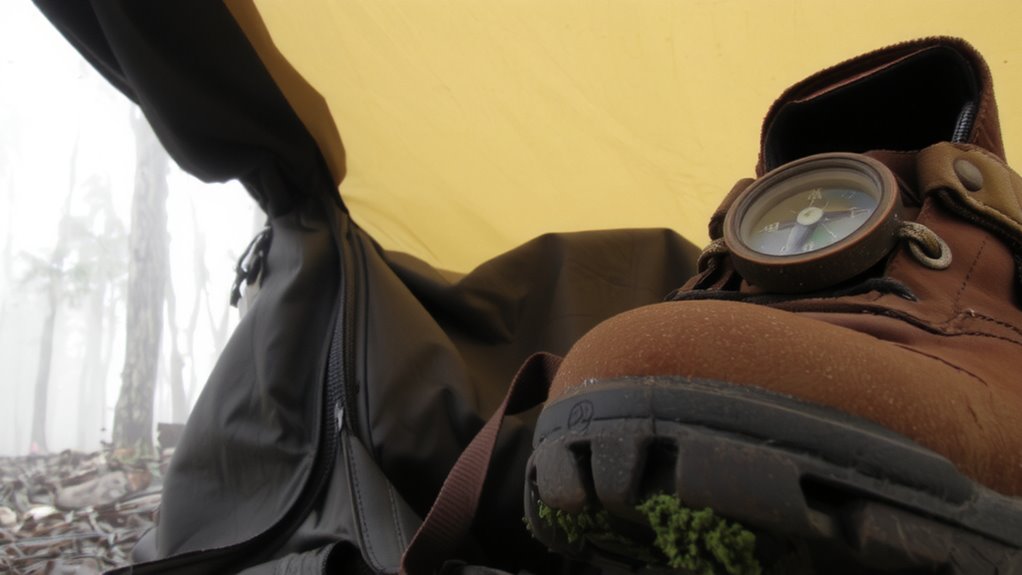
While you might not think twice about leaving your gear in a damp basement, humidity steadily degrades survival equipment over time-especially if it’s not built for moisture resistance. Constant exposure accelerates material degradation, weakening fibers in ropes, straps, and tents until they fail under stress. Zippers corrode, seals soften, and metal components spot-rust, reducing reliability when needed most. You’re also inviting fungal growth on organic materials like leather, cotton, and untreated canvas-mold spreads quietly, compromising both integrity and safety. Even if gear looks fine, spores can trigger allergies or respiratory issues in enclosed shelters. Nylon and polyester resist moisture better, but layered or coated versions may delaminate over time in humid conditions. Storing items clean and dry slows damage, but without climate control, long-term storage risks cumulative harm. Humidity doesn’t need a storm to cause failure-it works silently, day after day, until performance drops.
Which Survival Gear Materials Fail Fast in Humidity
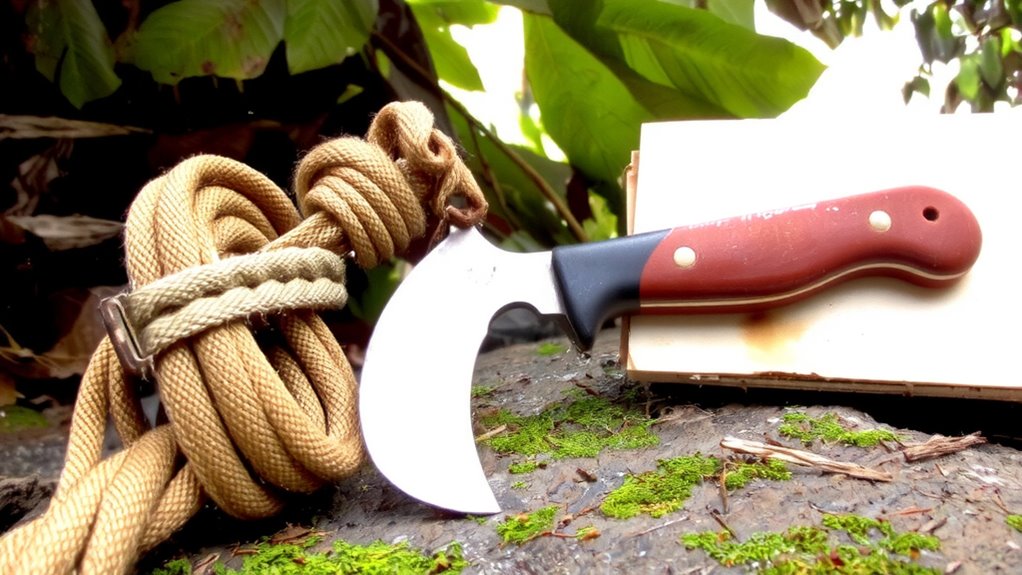
Natural fiber gear fails fastest in humid conditions, and you’ll see results within weeks if stored poorly. Cotton, wool, and canvas absorb moisture quickly, accelerating fabric degradation and losing tensile strength over time. You might notice fraying or weakened seams even without use. Leather items, like holsters or boots, warp and crack as they trap humidity. Nylon blends fare better but still suffer in prolonged dampness. Metal components on gear-zippers, buckles, fasteners-experience metal fatigue faster in humid environments, especially if not stainless or coated. Corrosion starts subtly, compromising structural integrity silently. Aluminum parts pit; steel rusts. Once metal fatigue sets in, failure under stress becomes likely. Humidity doesn’t just stain-it undermines function. Your gear might look intact, but internal damage from fabric degradation and metal fatigue means it won’t perform when needed. Choose synthetics and corrosion-resistant metals to last longer.
Stop Mold and Corrosion Before It Ruins Your Gear
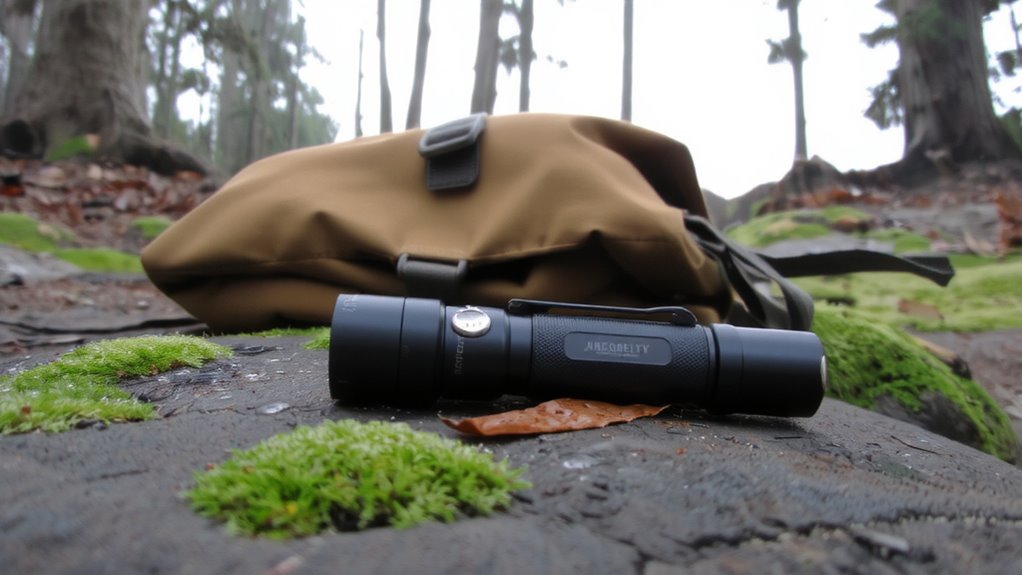
Mold and corrosion start long before you notice the smell or see the stains, creeping in as soon as moisture lingers on your gear. You need to act early, because once materials degrade, performance drops. Metal components corrode, weakening structural integrity, while fabric and composites invite mold that’s hard to remove. Storing gear in airtight containers with desiccants helps reduce exposure and slows deterioration. Use silicone-free rust inhibitors on metal parts to limit oxidation without attracting dust. Choose sealed, water-resistant cases to protect sensitive items. Regular inspections catch issues before they spread. You can prevent warping in wood and plastic components by keeping humidity below 60%. High moisture also causes layers in laminated gear to separate-so you must avoid delamination by storing items flat and in dry conditions. Simple, consistent steps now extend your gear’s real-world usability.
Dry and Maintain Gear After Humid Exposure
After your gear’s been exposed to high humidity, drying it properly isn’t optional-it’s critical to maintaining function and longevity. You need to dry items thoroughly before storage to prevent mold, corrosion, and material fatigue. Use clean, dry cloths and air-dry in a well-ventilated space-never store damp gear. Climate monitoring helps you track conditions that could compromise performance. Implement gear rotation to guarantee older items are used first, reducing long-term moisture exposure.
| Method | Effectiveness (1–5) |
|---|---|
| Air-drying | 5 |
| Desiccants | 4 |
| Sun-drying | 3 |
| Electric dryer | 2 |
| Silica packets | 4 |
Regular inspections and climate monitoring make gear rotation more effective, especially in persistently damp environments.
How to Store Survival Gear in Humid Climates
How do you keep your survival gear functional when humidity’s constantly high? Prioritize storage solutions that combine moisture barriers and consistent ventilation importance. Use sealed, airtight containers with built-in desiccants to block external humidity, but don’t skip ventilation when gear’s in use or during periodic airing. For long-term storage, vacuum-sealed bags reduce moisture intrusion, while breathable mesh compartments inside dry cabinets allow airflow without exposure. Silica gel packs (replaced or recharged monthly) maintain low internal humidity. Avoid plastic bags without breathability-they trap residual moisture and encourage mold. Metal or reinforced polymer cases with rubber gaskets offer reliable moisture barriers but require occasional seal inspection. Store gear off concrete floors using racks to enhance air circulation. Temperature stability matters, but consistent low moisture levels matter more. Simple, controlled environments outperform complex setups when ventilation and moisture barriers work together.
Check This Before Using Gear After Humid Storage
What’s the first thing you should do before relying on gear pulled from humid storage? Start with a thorough gear inspection to check for mold, corrosion, or weakened materials. Look closely at seams, zippers, and metal components-these often fail first after moisture exposure. Test all electronics and ignition sources; humidity can compromise circuits and fuel systems. Don’t assume everything works just because it looks intact. Pair this inspection with a storage evaluation: was the container sealed? Was desiccant used? Was the location temperature-stable? Poor storage conditions mean higher risk, even if damage isn’t visible. Check expiration dates on food, meds, and batteries-humidity accelerates degradation. If the gear failed past moisture tests or shows any compromise, replace it. Relying on unverified equipment in an emergency increases failure risk. Always verify integrity before depending on any item.
On a final note
You’ll need to act fast in humid conditions-moisture degrades nylon, corrodes metal, and breeds mold within days. Airtight storage with desiccants cuts risk, but regular checks are non-negotiable. Even treated gear fails if left damp. Rotate and inspect seals, blades, and threads monthly. Your survival kit only works if maintenance is routine, not reactive. Humidity doesn’t wait-neither should you.