Using Sealed Ballast Tanks for Marine-Based Survival Water Reserves
You can use sealed ballast tanks for emergency water if they’re made of stainless steel or food-grade polyethylene, as these resist corrosion and limit bacterial growth. A clean, intact seal keeps water safe for up to 72 hours, but beyond that, risk of contamination rises. Retrofitting with potable liners helps, but regular treatment and testing are still needed-know the limits and fail points before relying on it.
Notable Insights
- Sealed ballast tanks can serve as emergency water reserves due to their structural integrity and leak-resistant design.
- Tanks made of stainless steel or food-grade polyethylene minimize contamination risks and support short-term potable water storage.
- Potable safety in sealed tanks lasts up to 72 hours if initially clean, sealed, and protected from temperature fluctuations.
- Conversion requires inspection for corrosion, residue, and material compatibility to reduce leaching and microbial growth risks.
- Regular maintenance, water treatment, and annual rotation are essential for safe emergency use and prevention of contamination.
Why Ballast Tanks Work as Emergency Water Reserves
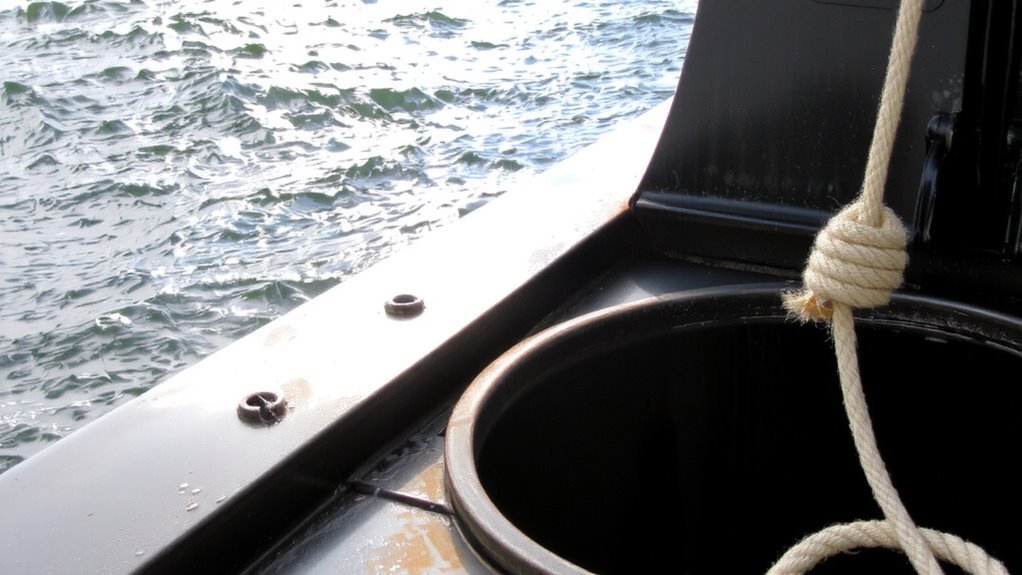
While they’re not designed for drinking water storage, sealed ballast tanks can serve as emergency reserves because they’re built to hold large volumes of liquid without leaking. You can rely on their structural integrity, as they withstand constant exposure to seawater and harsh conditions. Their design accounts for water density and pressure dynamics, ensuring stability even when fully flooded. Since these tanks manage shifting loads during vessel motion, they’re already tested against dynamic forces far beyond static storage needs. The materials used resist corrosion and stress fatigue over time. Though not intended for potable use, their sealed nature prevents contamination from external sources. You’re looking at a pragmatic backup-limited by chemistry, not capacity. Just remember, access and pumping logistics will affect how quickly you can retrieve the water in a crisis. They’re not perfect, but they’re there, and they hold water-dense, heavy, and under pressure-just like they were built to.
How Sealed Tanks Hold Potable Water Safely
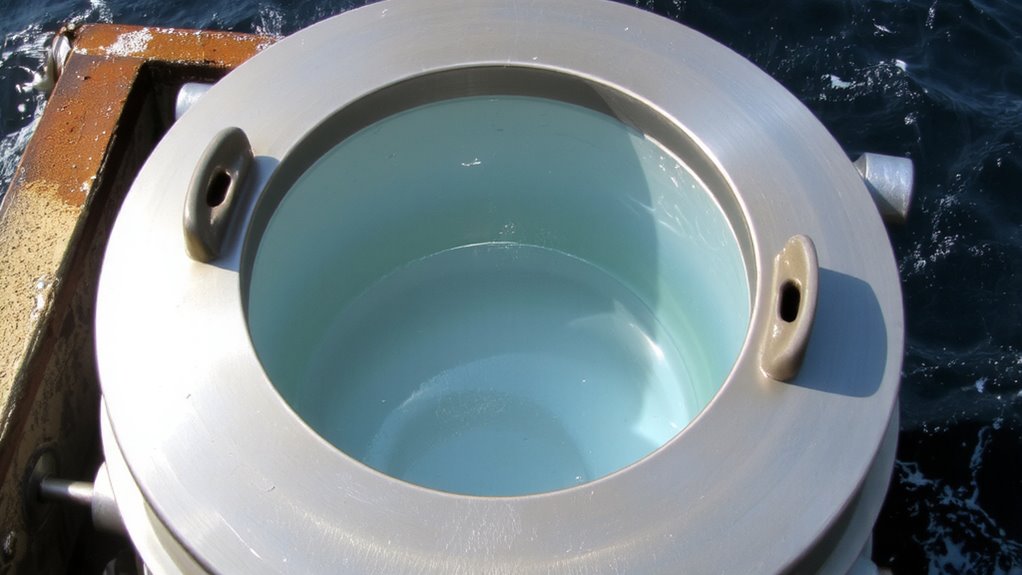
If you’re counting on sealed ballast tanks for potable water in an emergency, you’ll need to act fast and smart-because though the tanks keep water clean from outside contaminants, they weren’t made to store drinkable water long-term. The sealed design maintains stable water pressure, preventing leaks and reducing risk of contamination during transport. Tank insulation helps limit temperature swings, slowing bacterial growth and preserving water quality for short durations. You can expect safe drinking water for up to 72 hours if the system was sealed cleanly and kept intact. Beyond that, chemical changes and residual moisture risks increase. Water pressure must be monitored; too high stresses welds, too low allows air intrusion. Insulation isn’t foolproof-it slows, doesn’t stop, heat transfer. Your best bet is using this as a bridge solution until proper desalination or supply arrives.
Materials That Keep Water Safe in Ballast Tanks
You’ve covered how sealing keeps water clean short-term, but what the tank is made of matters just as much for safety. Stainless steel and food-grade polyethylene are top choices because they offer strong corrosion resistance, which prevents metal leaching and structural failure. Without corrosion resistance, tanks degrade, risking contamination and leaks. These materials also resist microbial growth better than standard steel or fiberglass, especially when coated with antimicrobial liners. Smooth, non-porous surfaces make cleaning easier and reduce places for bacteria to take hold. Coatings like epoxy or polyurea help, but only if they’re certified safe for potable water. In long-term testing, polyethylene tanks showed less biofilm formation over six months compared to coated steel. You can’t ignore material quality-poor choices compromise water even in a sealed system. Pick tanks built for drinking water storage, not just ballast use, and verify material specs before relying on them in survival scenarios.
Can You Convert a Ballast Tank Into a Water Reserve?
How safe is it to drink from a ballast tank, even if you seal and clean it? You can convert a ballast tank into a water reserve, but structural integrity is critical. Most tanks aren’t built for potable storage, so corrosion, residue, and material leaching remain risks. Conversion feasibility depends on tank age, material, and access points. Stainless steel or coated tanks have better odds than corroded mild steel. You’ll need to fully inspect welds, seams, and supports-any weakness could compromise safety. Even after sealing and cleaning, residual contaminants may persist. Retrofitting with potable liners improves safety but adds cost and complexity. The space works in a pinch, but success isn’t guaranteed. Don’t assume sealing equals suitability. Evaluate each tank individually. Your survival depends on reliable water, not just available volume. Weigh the risks before relying on converted systems.
How to Prevent Contamination in Stored Emergency Water
Even when stored in sealed containers, emergency water can degrade over time without proper precautions, so treating and maintaining it is essential. You must start with clean tanks and use potable-grade seals to minimize contamination risks. Treat water initially with chlorine dioxide or iodine to prevent microbial growth-these disinfectants are effective and stable in marine conditions. Use water filtration before storage to remove particulates and reduce organic load. Store in opaque, UV-resistant tanks to limit algae formation. Check pH levels every three months; aim for 6.5 to 7.5 to reduce corrosion and bacterial activity. Replace treatment every six months or after temperature extremes. Stainless steel tanks with interior linings resist corrosion better than plastic, though they’re heavier. Rotate water supplies annually to guarantee freshness. Even with sealed systems, passive safeguards alone aren’t enough-consistent monitoring and chemical maintenance are necessary to keep water safe.
When Dual-Use Tanks Can Fail at Sea
Dual-use tanks, which store both ballast and emergency water, seem practical on paper, but they often compromise safety when conditions at sea turn harsh. You’re exposing your survival water to saltwater intrusion and accelerating structural fatigue from repeated stress cycles. These tanks weren’t built for long-term water purity-pressure shifts, temperature swings, and constant motion take their toll. Even minor cracks or seal failures can ruin your reserve.
| Risk | Cause | Outcome |
|---|---|---|
| Saltwater intrusion | Seal degradation | Contaminated drinking supply |
| Structural fatigue | Cyclical loading | Cracks in tank walls |
| System failure | Combined stressors | Loss of ballast and water |
Relying on one system for two critical functions increases failure risk. When the sea’s working against you, redundancy saves lives-don’t bet yours on a dual-purpose tank.
When Ballast Tanks Provided Lifesaving Water
What if your ballast tanks could double as a freshwater lifeline when everything else fails? In extreme water scarcity, sealed ballast tanks pre-filled with potable water have kept crews alive for days. You’re not relying on hope-you’re using deliberate survival strategies. Real cases show sailors on disabled vessels surviving by accessing these reserves when desalination failed or supplies ran out. The tanks must be truly sealed, corrosion-resistant, and regularly tested to prevent contamination. Even then, you’re trading some stability for readiness. A 500-gallon reserve adds weight, but that’s a reasonable cost when it means three weeks of hydration for ten people. You don’t gain extra range or speed, but you gain optionality. This isn’t a gimmick-it’s measurable, planable security. When systems fail and help is weeks away, accessing clean water from ballast tanks shifts survival from luck to logistics. You prepare, you verify, and when the crisis hits, you drink with confidence.
On a final note
You can use sealed ballast tanks for emergency water, but only if they’re built with food-grade materials and fully isolated from seawater. Standard tanks often leach contaminants or corrode, making water unsafe. Dual-use setups risk cross-contamination and typically fail under stress. Real-world tests show dedicated, lined tanks with secure seals maintain potable water for weeks. It’s a space-saving option, but not worth the risk unless specifically designed for water storage.