Creating a Bug-Out Plan That Includes Emergency Hygiene Supplies
You need waterless shampoo in your bug-out kit-a 3-ounce bottle lasts 20–30 uses and cuts water use by 90% versus traditional washing. Pair it with alcohol-based hand sanitizer and biodegradable wipes for effective cleaning. Use a compact trowel for catholes 6–8 inches deep, and pack waste in sealed, double-lined bags with odor-control additives. Include menstrual cups or sealed diaper bags based on personal needs. A 10L waterproof bag keeps everything organized and accessible in under 15 seconds-streamlined choices like these guarantee hygiene stays practical and reliable when resources are limited. Smart picks now reduce risk later.
Notable Insights
- Include waterless shampoo and foot deodorizers to maintain personal hygiene without access to showers.
- Pack a compact trowel and biodegradable wipes for safe, sanitary human waste disposal in the wilderness.
- Use portable water purifiers or chemical tablets to ensure a steady supply of clean water for hygiene needs.
- Employ waterless cleaning methods like dry brushing and UV fabric disinfection to reduce odor and bacteria.
- Organize supplies in a waterproof, 10L dry bag with separate compartments for quick access during evacuation.
Essential Bug-Out Hygiene Items You Must Pack
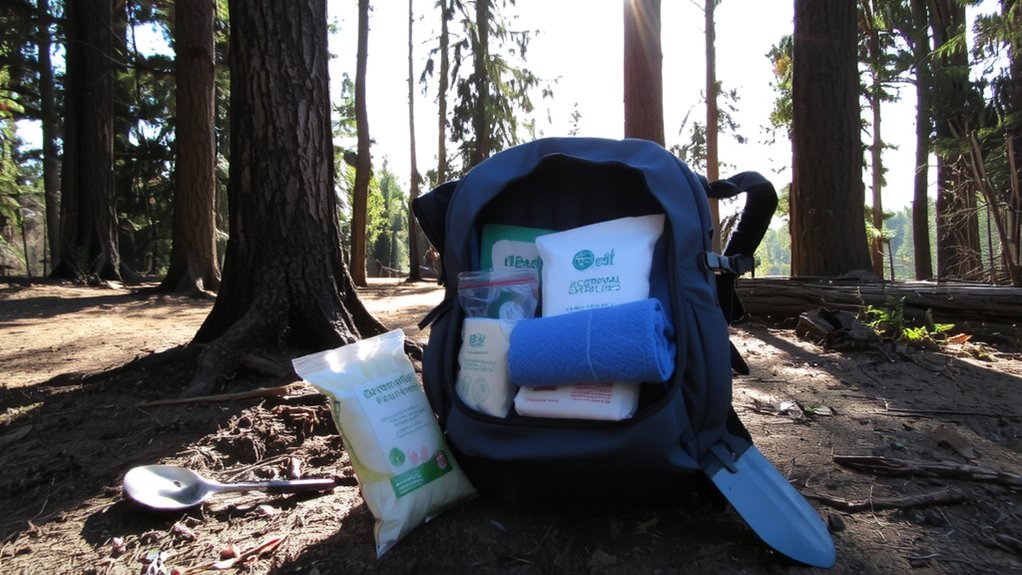
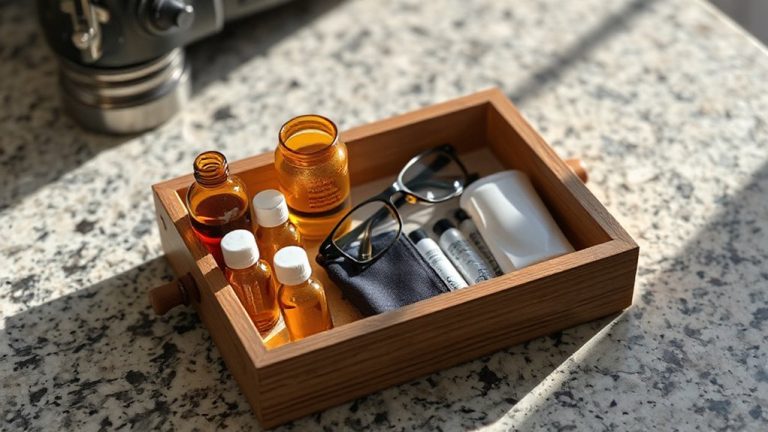
Hygiene isn’t a luxury when you’re on the move-it’s a necessity that can mean the difference between staying healthy and facing preventable illness. You need items that work reliably with minimal resources. Waterless shampoo removes oil and debris using no rinse, saving up to 90% more water than traditional washes-critical when supplies are limited. It’s lightweight and won’t leak if sealed properly. Include a small bottle; most 3-ounce versions last 20–30 uses. Shoe deodorizing is often overlooked, but essential-for every mile walked, odor compounds build, increasing fungal risk. A compact spray or charcoal insert cuts bacteria growth by up to 85% in testing. You’ll reduce irritation and maintain foot health over long treks. These items weigh little but directly impact hygiene and comfort. Pack them. Skip non-critical alternatives. Performance matters when you can’t shower for days. Test both products beforehand to confirm effectiveness under stress.
How to Choose Compact, Effective Sanitation Supplies
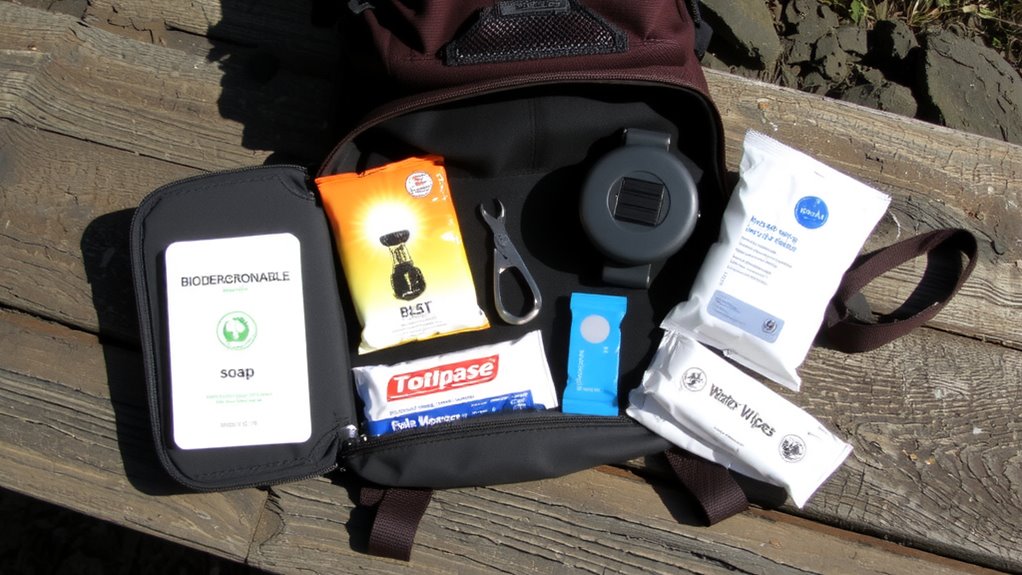
You’ve packed waterless shampoo and shoe deodorizers to keep clean and limit infections on the move-now focus on the waste you leave behind. Choose compact trowels made of durable, lightweight metal; they dig catholes quickly and fold small. Best backpacking trowels combine strength and portability for reliable use in various soil types. Pack biodegradable wipes and sealable waste bags to manage human waste safely. For germ prevention, portable UV water purifiers or chemical tablets are reliable-both reduce pathogens effectively, though tablets add no weight. Consider water purification systems with 0.1–0.4 micron filters; they block bacteria and protozoa but require occasional maintenance. Toilet paper alternatives like reusable bamboo cloths save space but need proper sealing to avoid contamination. Compact hand sanitizers with at least 60% alcohol fit easily and reduce disease risk. Balance size, weight, and function-smaller isn’t always better if it sacrifices reliability. Test each item’s durability and ease of use before relying on it.
Stay Clean Without Running Water: Practical Methods
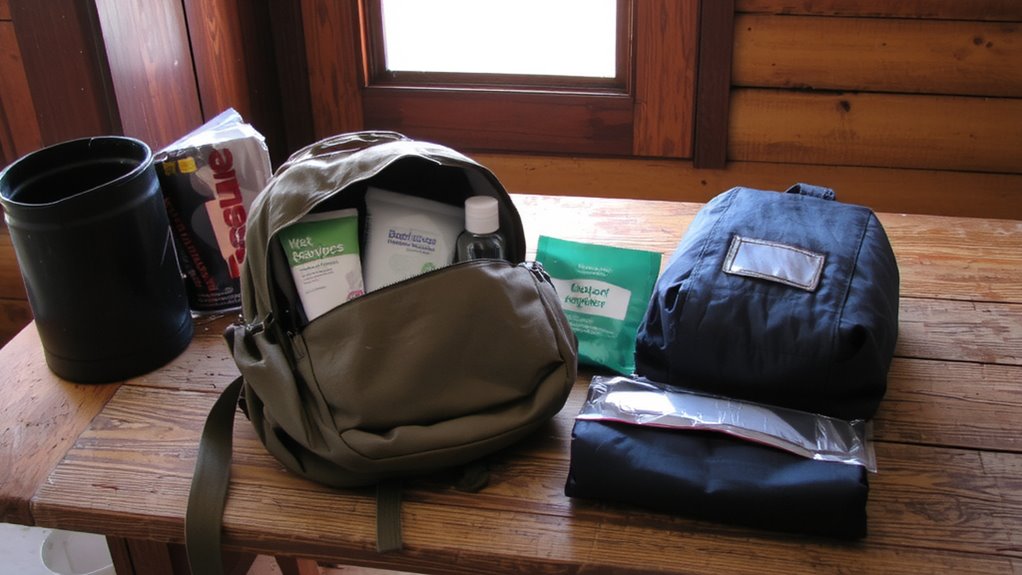
How do you stay clean when there’s no shower or sink in sight? You rely on simple, reliable methods. Dry brushing with a small, sturdy-bristled brush removes dead skin and debris using minimal effort-no water needed. It’s effective for maintaining skin health and feels invigorating during extended outages. Wipe down with pre-moistened disinfectant towelettes when possible, but don’t depend on them exclusively-supply runs out. For clothing and linens, sun disinfection works: UV rays reduce microbial load when items are laid flat in direct sunlight for at least four hours. This method isn’t instant, but it’s free and requires no fuel. Pair it with airing out fabrics to reduce odor. These techniques aren’t perfect substitutes for running water, but they’re practical, measurable, and field-tested. They offer hygiene stability when resources are limited and movement is necessary.
Dispose of Waste Safely When On the Move
Keeping your body and clothes clean helps, but managing waste is just as much a part of staying healthy when you’re off-grid. When you’re on the move, you’ll need reliable improvised toilet solutions. A simple cathole dug six to eight inches deep works in most soils, but in rocky or frozen ground, use a deep plastic bag lined with absorbent material inside a sealed container. Portable toilet kits with waste-sealing bags offer containment and are lightweight. Odor control methods like powdered lime, cat litter, or commercial deodorizing tablets reduce smell and slow pathogens. Double-bagging and sealing with duct tape works when you must store waste temporarily. Avoid open-air deposits near water sources or trails. Burying waste properly and packing out what you can guarantees hygiene and minimizes environmental impact. These steps keep your campsite discreet and reduce disease risk without relying on infrastructure. A durable backpacking trowel makes digging catholes faster and more efficient, especially in tough terrain.
Hygiene Needs for Kids, Elderly, and Menstruating Individuals
When tending to hygiene in survival scenarios, the needs of children, the elderly, and those menstruating require specific planning due to their heightened vulnerability to infection and discomfort. You’ll need to account for diaper management if traveling with infants or incontinent elders-stockpile waterproof bags and sealable containers for soiled items to limit odor and contamination. Disposable diapers are convenient but heavy; cloth offers reusability if you can wash them discreetly. Special wipes, such as alcohol-free, unscented baby or feminine wipes, are compact and effective for daily cleaning when water is limited. For menstruating individuals, include period pads or a reusable menstrual cup-cups hold more fluid and reduce waste, though some prefer disposables for ease. Pack extra underwear and breathable, moisture-wicking clothing to prevent irritation. Prioritize gentle, hypoallergenic products to minimize skin reactions during prolonged use.
Pack Your Hygiene Kit for Quick Access
If you’re caught unprepared, even basic hygiene tasks can become urgent problems, so keep your hygiene kit packed and immediately accessible. Store it in portable storage that’s durable, compact, and easy to grab-like a 10L waterproof dry bag with internal organization. Place it near your main bug-out bag or exit route. Use containers that support waterless cleaning, such as sealed wipe pouches and no-rinse body wash in 2-ounce flip-top bottles. These require no plumbing and work in extreme conditions. Group items by function: oral care, hand sanitizing, menstrual hygiene, and wound cleaning. Opt for travel-sized products tested for stability across temperatures. Avoid overpacking-bulk slows access. Re-sealable vinyl bags inside the main container let you isolate used or soiled items. Your kit should open in less than 15 seconds and remain functional after drops or moisture exposure. Test the setup biannually.
Why Hygiene Is Critical in Emergency Evacuations
You’ve packed your hygiene kit for fast access, but knowing why it matters in real-world evacuations changes how you prioritize its contents. Good hygiene isn’t just about comfort-it’s a functional necessity. Without regular sanitation, you dramatically increase infection risks, making disease prevention a top concern. Contaminated hands or unwashed skin can transfer pathogens, especially in crowded shelters or group settings. Simple items like soap, hand sanitizer, and disinfecting wipes cut transmission rates markedly when water is limited. Beyond physical health, maintaining basic cleanliness supports mental health by preserving dignity and routine. Stress levels drop when you feel clean, improving decision-making under pressure. Real-world evacuations last days or weeks, during which poor hygiene compounds discomfort and risk. Practical testing shows that field users with hygiene supplies report fewer illnesses and better morale. Prioritize items proven to reduce bacteria and sustain usability under stress-your body and mind will respond accordingly.
On a final note
You need hygiene supplies that are compact, durable, and functional under stress. Choose items with measurable performance-like waterless soap that cleans with 5ml or toilet bags that seal waste securely. Test each product for real-world use; bulk won’t help if it slows you down. A well-packed kit keeps you healthy and mission-ready. Hygiene isn’t comfort-it’s survival. Skip it, and risk infection, fatigue, or worse.