Understanding Environmental Hazards: A Detailed Look at What Could Go Wrong When You’re Outdoors
You’re exposed to real risks the moment you hit the trail-water that looks clean can carry harmful pathogens, so use a 0.2-micron filter or boil it for one minute. Sudden storms strike fast, and flash floods can trap you in dry riverbeds. Bear spray works within 30 feet if a confrontation occurs. Hidden crevices and loose slopes increase fall risks, especially after rain. Toxic plants like poison ivy release rash-causing urushiol on contact. Knowing how to respond could change your outcome.
Notable Insights
- Poisonous fungi and toxic plants like poison ivy or death cap mushrooms can cause severe illness or death even with minimal contact or ingestion.
- Contaminated water from clear streams may carry harmful pathogens, requiring filtration, boiling, or chemical treatment before safe consumption.
- Sudden weather changes such as flash floods or heat exhaustion can rapidly become life-threatening without proper preparation or shelter.
- Dangerous wildlife encounters with bears, cougars, or other predators require specific responses to avoid injury, including using bear spray and not running.
- Hidden terrain hazards like unstable slopes, crevices, and collapsed crusts can lead to serious falls or entrapment, especially in areas with recent environmental changes.
What Makes the Outdoors Dangerous?
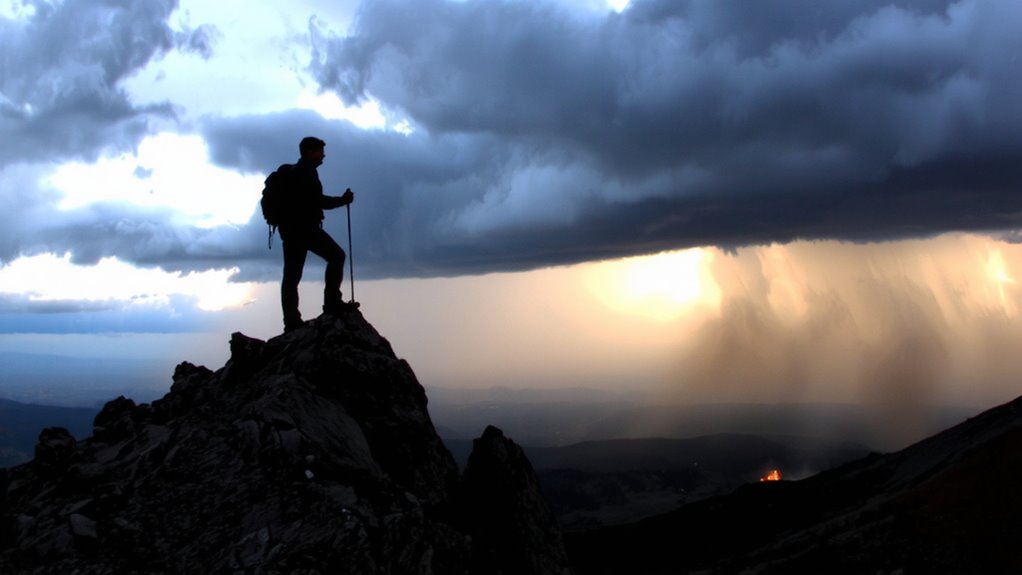
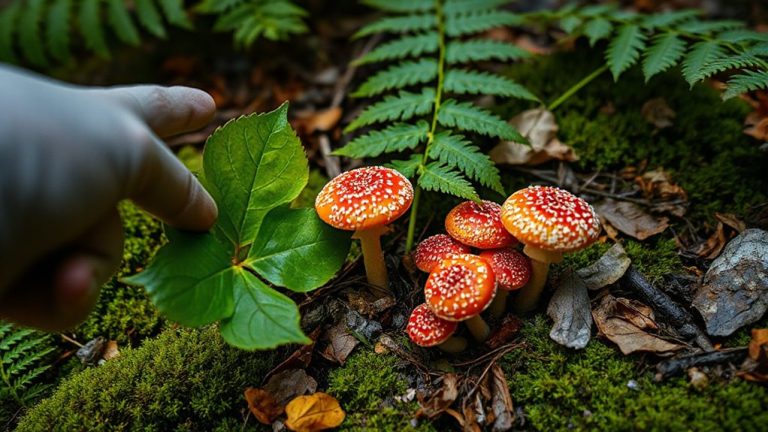
What could turn a peaceful hike into a life-threatening situation? Poor judgment around natural hazards, especially when you ignore basic risks like poisonous fungi and contaminated water. You might see mushrooms and think they’re safe to touch or even eat-some cause severe poisoning with just minor contact. Always assume fungi are toxic unless confirmed otherwise by an expert. Contaminated water is just as dangerous. Even clear streams can carry bacteria, viruses, or parasites from animal waste. You won’t see the threat, but your body will react fast-diarrhea, cramps, fever. A lightweight water filter with a 0.2-micron rating removes most pathogens. Boiling for one minute does the job too. These precautions aren’t optional. They’re essential. Your survival gear should include purification tablets and gloves. Avoid direct contact with unknown plants or fungi. Practical choices reduce risk. Preparation beats regret every time. For on-the-go filtration, consider a water purifying straw as a compact backup option.
When Weather Turns Deadly on the Trail
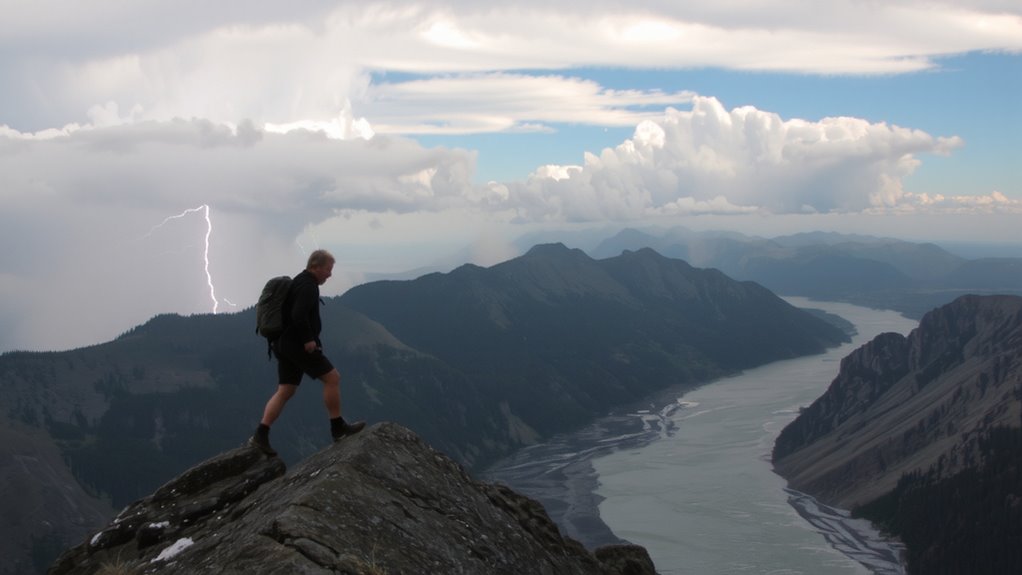
You’re already watching for bad water and toxic fungi, but weather can still catch you off guard and turn a routine hike into an emergency faster than a snapped ankle. Flash floods surge in minutes, turning dry riverbeds into deadly torrents. Heat exhaustion creeps in under relentless sun, especially if you’re dehydrated or overdressed. Knowing the signs and conditions helps you react before it’s too late.
| Hazard | Warning Signs | Response |
|---|---|---|
| Flash floods | Dark clouds, distant roar | Move uphill immediately |
| Heat exhaustion | Dizziness, nausea, heavy sweat | Rest in shade, hydrate |
| Sudden storm | Wind shift, temperature drop | Seek shelter, zip rain gear on |
Carry a weather radio and check forecasts. A reliable NOAA Weather Radio can provide real-time alerts even when cell service is unavailable. Lightweight layers beat bulky insulation. Avoid canyon bottoms when rain’s in the forecast. Prevention beats rescue.
How to Survive a Wild Animal Encounter
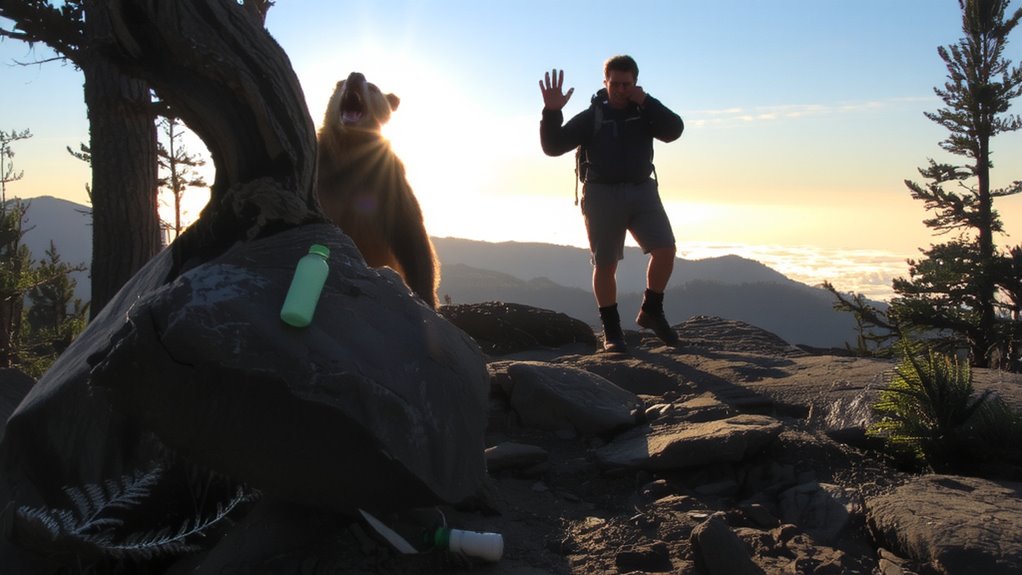
When you’re deep in bear country or crossing cougar territory, knowing how to react can mean the difference between a close call and a life-threatening situation. Understanding animal behavior is key-most attacks happen when animals feel threatened or surprised. If you encounter a bear, don’t run; stand your ground, speak calmly, and slowly back away. For cougars, which may see running as a trigger, maintain eye contact and make yourself look larger. Carrying bear spray and knowing how to deploy it within 30 feet improves your survival tactics substantially. Noise-making devices can deter some predators but aren’t reliable substitutes for awareness. Hiking in groups reduces risk compared to solo travel. Your best tool isn’t gear-it’s knowledge. Recognizing warning signs in animal behavior, like huffing or paw-swiping, lets you respond early. Preparedness, not panic, defines effective survival tactics in the wild. A well-stocked camping survival kit can provide critical tools like bear spray, fire starters, and emergency shelter.
Terrain Traps Hikers Don’t See
While the trail ahead might look clear, hidden terrain traps can turn a routine hike into a dangerous situation faster than you expect. Hidden crevices, often masked by thin layers of snow or vegetation, can swallow a foot or entire body without warning. What looks like solid ground might be a crust over a deep crack in the rock. Unstable slopes are just as deceptive-loose gravel, wet soil, or fractured bedrock can give way underfoot, especially on descents. Your balance fails before you can react. These hazards are more common in areas with recent erosion or freeze-thaw cycles. Terrain with minimal vegetation or visible fractures is higher risk. Stick to marked trails, test each step on questionable ground, and use trekking poles to probe ahead. GPS and topographic maps help identify sudden elevation changes. Assume nothing is stable until proven otherwise.
Plants That Can Make You Sick (and How to Spot Them)
Poison ivy, poison oak, and poison sumac top the list of plants that can make you sick-and recognizing them isn’t optional if you spend time outdoors. Poison ivy grows everywhere, with three shiny leaflets and a hairy or fuzzy stem; you’ll find it climbing trees or trailing ground cover. Poison oak looks similar but often has a duller texture and clusters in thicker brush. Poison sumac prefers wetlands and has seven to 13 smooth leaflets per stem. All release urushiol, which causes rashes in most people. Avoid touching any plant you can’t identify. Some deadly fungi, like the death cap (Amanita phalloides), resemble edible mushrooms but lack distinguishing field marks-no smell, color change, or reliable trait helps amateurs differentiate. Ingesting even a small piece can cause liver failure. Field guides help, but when in doubt, don’t pick it. Prevention beats treatment. Know these species, stay alert, and you reduce risk fast.
On a final note
You can handle most outdoor risks if you stay informed and prepared. Check weather forecasts, carry a map and compass, and know how to use them. A basic first aid kit handles minor injuries, but larger kits add weight. Traveling light increases speed but reduces safety margins. There’s no perfect setup-only trade-offs. Practice makes survival skills reliable. Test gear before relying on it. Knowledge cuts risk more than any single tool.