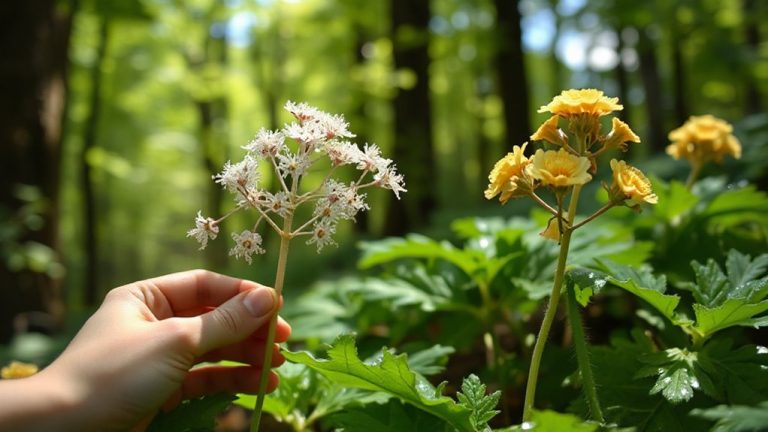
Recognizing Poisonous Plants and Fungi: Identifying Toxic Species During Foraging Trips
You should always check for pale caps, a volva at the base, or a stem ring when spotting mushrooms-these traits often signal deadly Amanitas. Avoid plants with “leaves of three,” like poison ivy, and never touch anything with a strong almond or garlic smell. If it looks risky or you’re unsure, leave it alone. Use a field guide and cross-check with an expert. Your safety depends on caution, not guesswork-smart choices now prevent serious harm later.
Notable Insights
- Avoid plants with “leaves of three” like poison ivy, and never burn venomous vines due to toxic smoke.
- Identify deadly mushrooms by pale caps, a volva at the base, and free gill attachment on the stem.
- Use multiple identifiers-scent, stem texture, and root structure-to distinguish wild carrots from toxic hemlock.
- Heed natural warning signs: bright colors, strong odors, or unusual textures often indicate plant or fungal toxicity.
- When in doubt, leave it untouched; consult experts or verified guides before consuming any wild species.
Avoid These Deadly Poisonous Plants
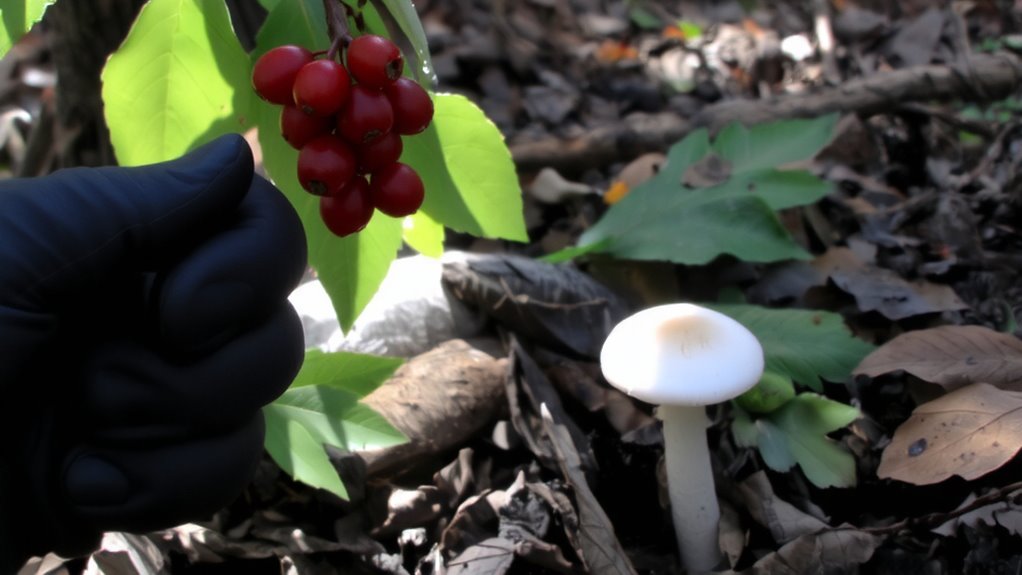
While you’re out hiking or foraging, it’s easy to mistake some plants for edible ones, but a few toxic species can land you in serious trouble-or worse. Toxic ferns, like bracken, release carcinogens when consumed raw or improperly cooked-avoid them entirely. You won’t get reliable nutrition from them, and the risk outweighs any potential benefit. Venomous vines, such as poison ivy and Virginia creeper, deliver irritant oils that cause severe dermatitis. Even dead plants remain dangerous, as the oil persists for months. Touching them spreads the toxin; inhaling smoke from burning vines damages lungs. Misidentifying green shoots or leaf clusters leads to accidental exposure. When in doubt, follow the “leaves of three, let it be” rule. Wear gloves and long sleeves during brush-clearing. Carry a field guide with clear images to verify plant traits. These steps reduce risk more effectively than relying on memory or guesses.
Spot Deadly Mushrooms by These 5 Traits
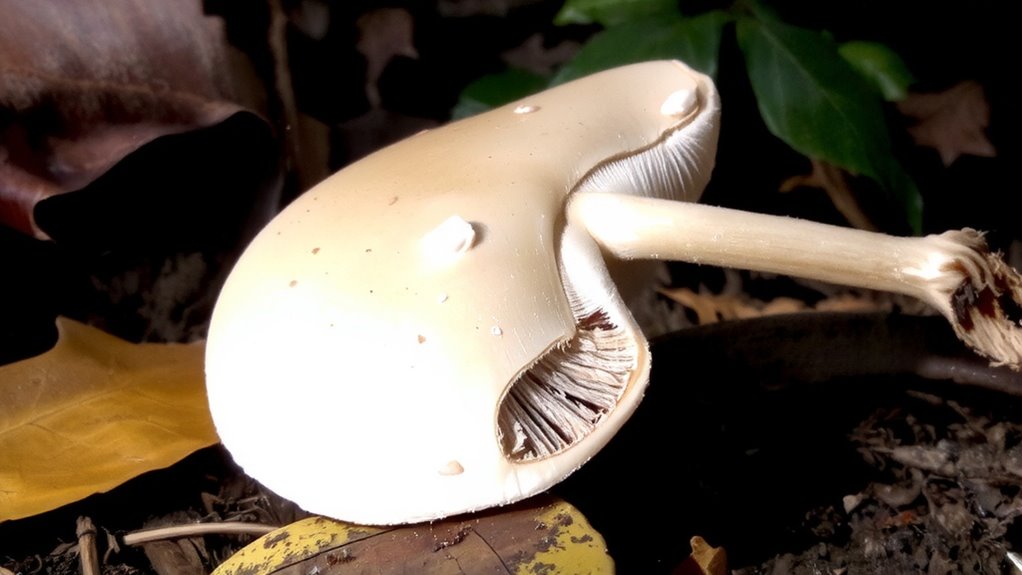
A smart forager knows the deadliest mushrooms share five clear traits, and spotting them could save your life. First, check the mushroom color-many toxic species, like the death cap, have pale, whitish caps that blend in easily. Don’t be fooled by looks; color alone isn’t enough, but it’s a red flag when combined with other signs. Second, examine gill attachment-deadly mushrooms often have free gills that don’t connect to the stem, especially in Amanita species. Third, look for a volva or sack-like base-many lethal types grow from an egg-shaped sac underground. Fourth, note if there’s a ring or skirt on the stem. Fifth, consider spore print color-white prints are common in poisonous varieties. You don’t need labs; just these five traits, used together, reduce risk. Trust patterns, not guesses.
Edible vs. Poisonous Plants: Don’t Mix Them Up
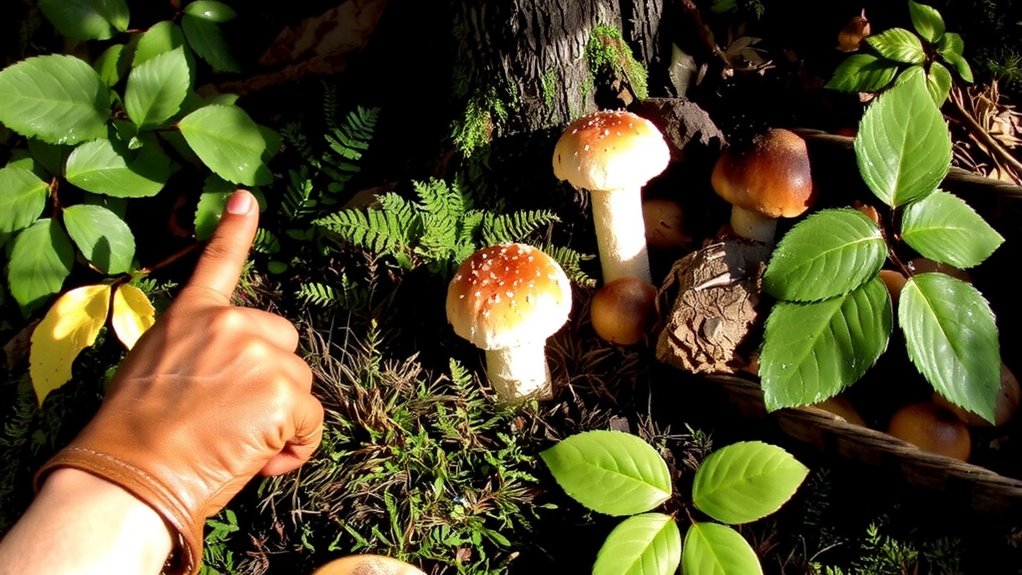
You’ve just learned how to spot deadly mushrooms using clear, observable traits-and the same level of attention matters when distinguishing edible from poisonous plants. Mistaking them can lead to serious harm. Proper plant classification helps you group species by shared features, reducing guesswork. For example, wild carrots resemble poisonous hemlock, but careful observation of scent, stem ridges, and root structure confirms identity. Always use multiple identifiers, never just one. Foraging etiquette demands respect: take only what you need, avoid contaminated areas, and never harvest endangered species. Misidentification risks more than your health-it impacts ecosystems. Carry a reliable field guide, use a magnifying lens for small traits, and when in doubt, leave it out. Confidence comes from repetition and verification, not assumptions. Train yourself to see differences consistently, just as you would calibrate a survival tool. Accuracy is non-negotiable.
Watch for These Warning Signs in the Wild
What clues do plants and fungi reveal before you even touch them? Nature often warns you with visible and sensory cues. Bright colors in berries or mushrooms frequently signal toxicity-these aren’t always safe just because they look appealing. Strong odors, especially those resembling garlic, almonds, or decay, can be red flags. Your senses evolved to detect danger; trust them. Some toxic species use these traits to deter consumption, so hesitation is wise.
| Warning Sign | Emotional Response |
|---|---|
| Bright colors | Unease-nature’s “keep away” signal |
| Strong odors | Instant caution-your nose reacts before your mind |
| Unusual textures | Discomfort-something feels off |
Don’t assume beauty means safety. Many poisonous species stand out precisely to be noticed. Pay attention. These signs aren’t foolproof, but they’re reliable enough to pause and reassess.
When Unsure, Follow These Safety Rules
If you can’t identify a plant or fungus with confidence, leave it alone-no exception. Proper identification isn’t optional; guessing risks severe illness or worse. When in doubt, assume it’s toxic. Carry a reliable field guide or use a verified plant identification app, but don’t rely solely on images or memory. Cross-reference multiple sources to confirm key traits like leaf arrangement, spore color, or stem structure. Even then, if uncertainty remains, skip it. Expert consultation is the safest next step-contact a local mycologist, botanist, or extension service before consuming anything. Many poisonings happen because foragers misidentify look-alikes with deadly consequences. Not all toxic species have obvious markers, and environmental variables can alter appearance. Avoid shortcuts. It’s better to return hungry than to risk poisoning. When foraging, your discipline around uncertainty defines your safety. Stick to what you know, verify early, and consult experts when needed.
What to Do If You Touch a Poisonous Plant
When skin contact occurs with a poisonous plant like poison ivy, oak, or sumac, prompt action matters most-delay increases the risk of irritation or a rash. Immediately wash the area with soap and cold water; it reduces oil absorption. Avoid scratching, as it worsens skin irritation and may spread the rash. Use a commercial wipe if water isn’t available. For rash treatment, calamine lotion or hydrocortisone cream can relieve itching. Severe cases may need oral antihistamines, but they can cause drowsiness.
| Action | Effectiveness | Notes |
|---|---|---|
| Wash with cold water | High | Within 10 minutes |
| Soap application | High | Removes urushiol oil |
| Calamine lotion | Moderate | Soothes itching |
| Hydrocortisone cream | High | Best for inflammation |
| Antihistamines | Variable | Watch for side effects |
Rash treatment works best when started early.
On a final note
You won’t always identify every plant or fungus perfectly, so carry a reliable field guide and use multiple ID markers. When in doubt, leave it out-no meal is worth the risk. Learn the local toxic species and their look-alikes; mistakes happen most with similar-looking edibles. Wash hands after handling unknowns. Test new plants cautiously, even if they seem safe. Your survival depends on discipline, not luck.