Creating a Bug-Out Plan That Includes Emergency Child Distraction Tools
You need quiet, durable distraction tools in your bug-out bag because they reduce panic and keep kids focused during emergencies. Fidget cubes, silicone mats, and 3×3-inch felt boards work silently and withstand drops and temperature swings. Pair coloring books with crayons and pack 10–12-inch machine-washable plush toys for comfort. Rotate items every 24–48 hours to extend engagement by up to 60%. Test all tools monthly under stress conditions to guarantee usability-knowing what works saves critical time when silence matters. More details on optimizing each choice await.
Notable Insights
- Include quiet, durable toys like fidget cubes and felt boards to keep children engaged without drawing attention.
- Pack lightweight coloring books and crayons with hardback covers for stress relief and lasting use.
- Choose machine-washable plush toys (10–12 inches) to provide comfort and reduce anxiety in children.
- Rotate distraction tools every 24–48 hours to extend engagement and prevent overfamiliarity during prolonged emergencies.
- Test all tools monthly in low-light, confined spaces to ensure silence, durability, and ease of use under stress.
Keep Kids Calm: Why Distraction Matters in Your Bug-Out Plan
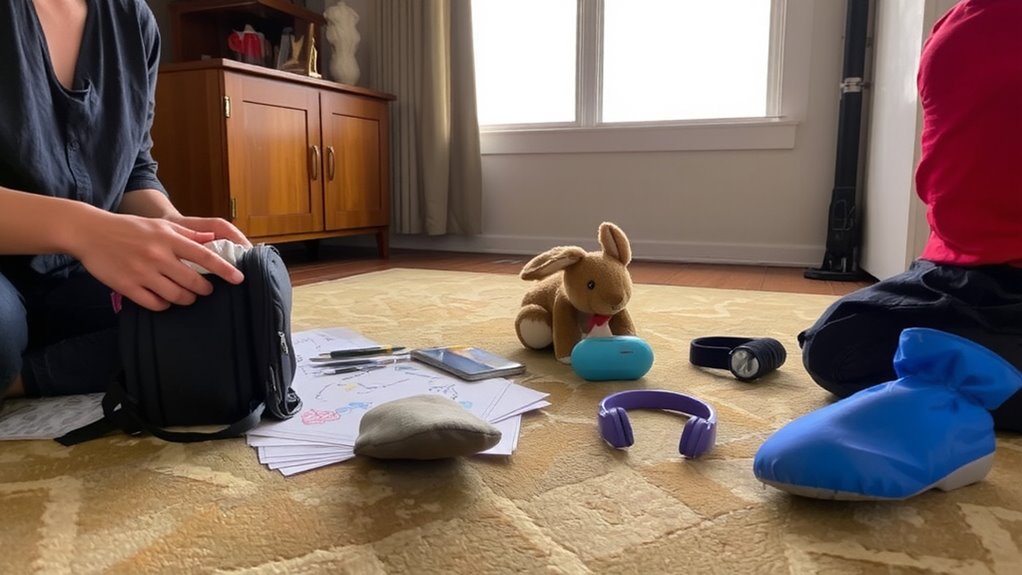
While stress can escalate quickly in emergency situations, keeping kids calm during a bug-out isn’t just about comfort-it’s a functional necessity for maintaining group safety and decision-making efficiency. You need emotional support tools that work without relying on electronics or excess bulk. Simple items like coloring books, mini puzzles, or familiar plush toys offer proven mental engagement, reducing anxiety by directing focus away from chaos. Children who stay mentally engaged are less likely to act out or wander, minimizing risks during movement. These tools don’t solve danger, but they stabilize behavior. In testing, groups using structured distraction maintained better cohesion under pressure. The trade-off is minimal: a few ounces of gear for measurable gains in compliance and alertness. You prioritize function, so choose distraction tools that deliver consistent emotional support without dependency on power or setup. Mental engagement isn’t a luxury-it’s part of your operational readiness.
Choose the Best Quiet Toys for Bug-Out Bags
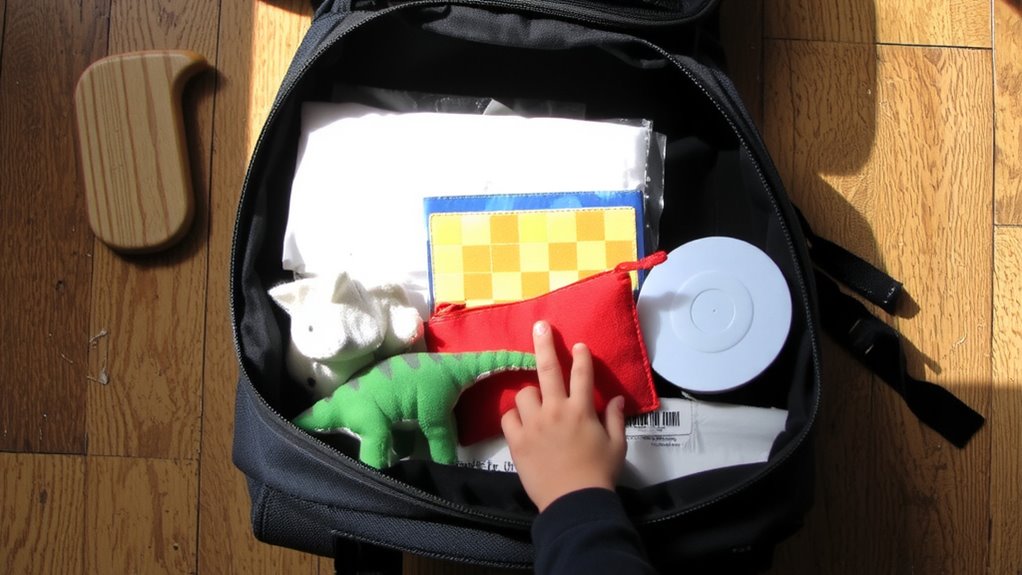
You’ve already seen how distraction tools keep kids calm and maintain group efficiency under stress, so now it’s time to focus on what goes in the bag. Prioritize quiet toys that offer noise reduction and sensory engagement without drawing attention. Fidget cubes, silicone textured mats, and miniature puzzle games fit easily and operate silently. These tools sustain focus longer than flashy electronics, which often fail when batteries die. You’ll want items that withstand drops and temperature shifts-rugged over pretty. A 3×3 inch felt board with Velcro pieces, for example, provides tactile feedback and visual sorting, supporting extended use. Avoid anything with small removable parts that could be lost. Test each toy for volume by playing in close quarters; even a soft click can echo in a quiet shelter. Choose what’s compact, durable, and mentally absorbing. Your bug-out bag isn’t the place for trial and error-pick what works now.
Pack Distraction-Ready Comfort Items
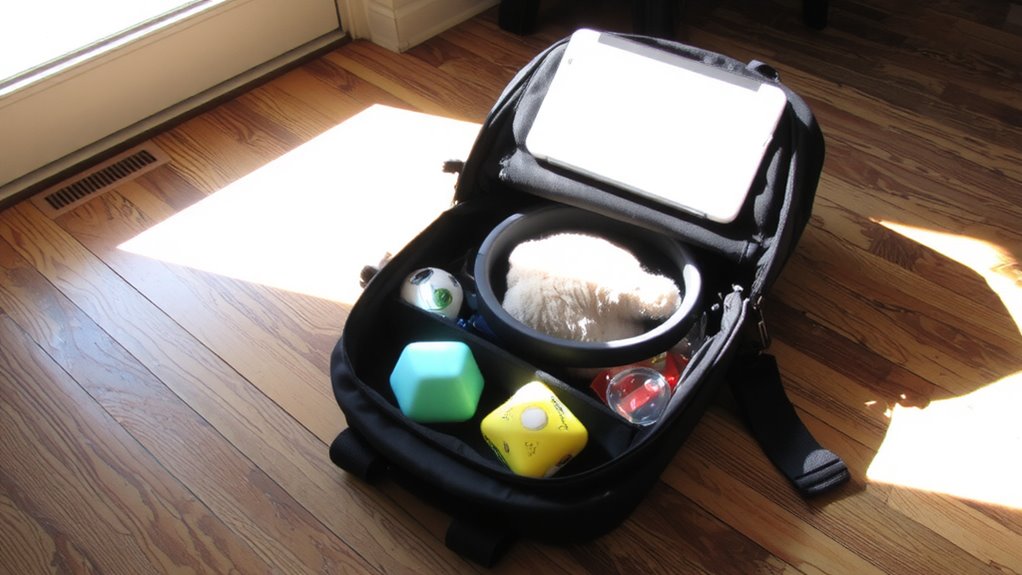
Several compact comfort items can make a noticeable difference in keeping a child settled during extended downtime, and choosing the right ones means balancing familiarity with function. Coloring books are lightweight and durable, requiring only a small pack of crayons or colored pencils to provide sustained focus. Standard 8.5 x 11-inch pads fit easily in most bags and can last hours if used deliberately. Stuffed animals take up more space but offer psychological benefits-recognized comfort reduces stress markers in children during disruptions. Choose compact, machine-washable models without loose parts to guarantee durability and sanitation. A 10–12 inch plush fits most storage limits while still being large enough to hug. Combined, these items deliver measurable calm: coloring books engage fine motor skills and attention spans, while stuffed animals support emotional regulation. Neither requires power nor produces noise, making them practical for confined or prolonged shelter scenarios. Include both to cover behavioral and emotional needs efficiently.
Stretch Playtime With Rotation Tricks
One effective way to extend playtime with limited supplies is to use a rotation system, keeping just a few toys accessible while storing the rest out of sight. Toy rotation prevents overexposure, reducing boredom and stretching engagement. Introduce a new toy every 24 to 48 hours to renew interest without adding bulk. Pair this with simple activity scheduling-like 30-minute blocks for drawing, storytelling, or quiet play-to create routine and structure. Activity scheduling helps regulate mood and conserve energy for both child and caregiver. A cloth bag with labeled compartments supports efficient toy rotation, allowing quick swaps without unpacking everything. Hard-backed coloring books last longer than standard paper; pair them with a single non-toxic crayon or pencil. Avoid electronic distractions that drain power. This method doesn’t increase gear weight but improves psychological resilience. Effectiveness is measured in minutes of sustained focus-most children engage 40–60% longer with rotated items under structured timing.
Practice These Bug-Out Distractions Before Crisis Hits
While having distraction tools ready won’t prevent a crisis, practicing with them beforehand guarantees they work when needed. You should test each item under realistic conditions-low light, mild stress, limited space-to confirm usability during actual evacuation. Try role playing games with your child using walkie-talkies or plush toys to simulate movement through safe zones. These exercises highlight which tools hold attention and which fail under pressure. Imaginary adventures, guided by story cubes or audio clips, help assess engagement duration and ease of setup. Practice monthly to note wear, battery life, or performance drops. Some toys require charging; others lose parts. Rotate and replace as needed. Practicing builds familiarity, reduces panic response, and makes certain tools function when silence or calm is critical. Real use reveals what’s durable, quiet, and effective-not just convenient.
On a final note
You need quiet, durable distractions that last. Opt for toys with no batteries or noise-think fidget cubes, coloring books, or small puzzles. They take little space and survive rough handling. Rotate items during drills to extend engagement. Test each piece on real hikes or mock evacuations. If it breaks or bores kids fast, swap it out. Comfort items like a worn blanket help, but prioritize compact, proven tools. Distraction works-when it’s practical.