How to Assess the Likelihood of Emergency Elder Care Disruption
You’re at risk of emergency elder care disruption if memory lapses, mood swings, or mobility issues go unaddressed. Watch for missed medications, falls, or confusion-these signal system strain. A reliable backup caregiver within 30 minutes reduces breakdown risk. Check your home for tripping hazards and guarantee 32-inch clear paths. Test emergency kits twice a year. Without power, a 3,000-watt generator runs essentials for 8–10 hours per gallon-know your limits. Plans improve outcomes.
Notable Insights
- Evaluate cognitive decline signs like memory lapses and sudden confusion, which increase emergency care needs.
- Assess mobility and balance issues that heighten fall risk and reduce self-sufficiency during crises.
- Review reliability of primary caregivers and existence of ranked, tested backup support options.
- Identify home safety hazards such as loose rugs, poor lighting, and blocked exits that impede emergency response.
- Verify emergency preparedness, including 72-hour supply kits, working alerts, and power backup systems.
Watch For These Early Signs of Elder Care Crisis
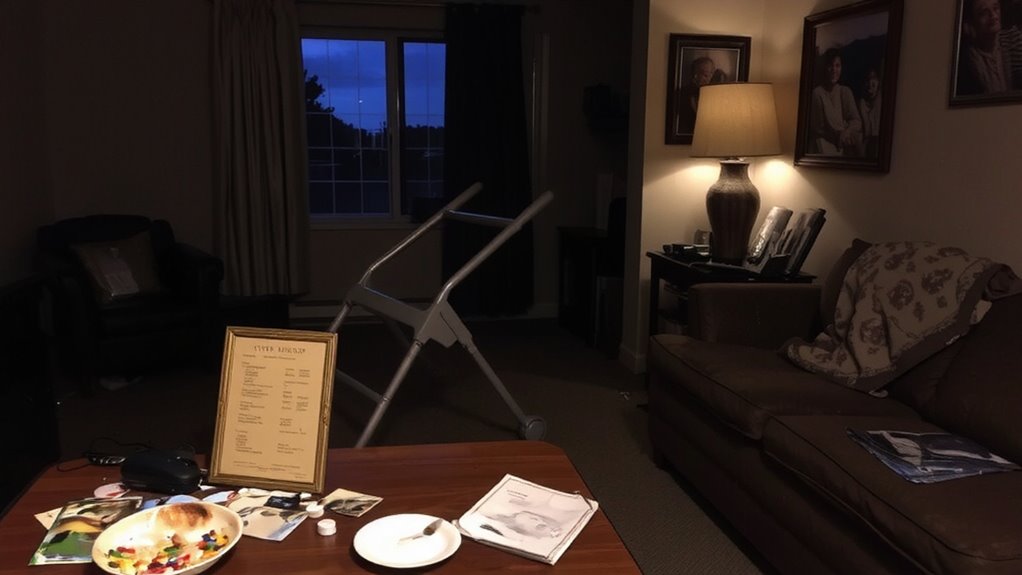
Why do small changes suddenly seem like red flags? Because they often signal deeper issues. You’ve noticed the memory lapses-misplaced keys, forgotten appointments, repeating questions. They’re not just forgetfulness; they disrupt daily routines. Mood swings surface without warning: calm one minute, irritable the next. These shifts affect household stability and caregiver stress levels. You rely on consistency, and when behavior deviates, it tests the system’s resilience. Small signs accumulate, straining current care strategies. You need early detection, not reaction. Tracking these patterns gives you data, not guesses. Memory lapses paired with mood swings reduce independence faster than either alone. Monitoring tools help, but observation remains your most reliable metric. Adjustments now prevent breakdowns later. Ignoring them risks system overload. You’re evaluating capacity, not sentiment. Stay alert, stay factual, and act before emergency response becomes your only option. Early action preserves control.
Spot These High-Risk Health Warnings in Seniors
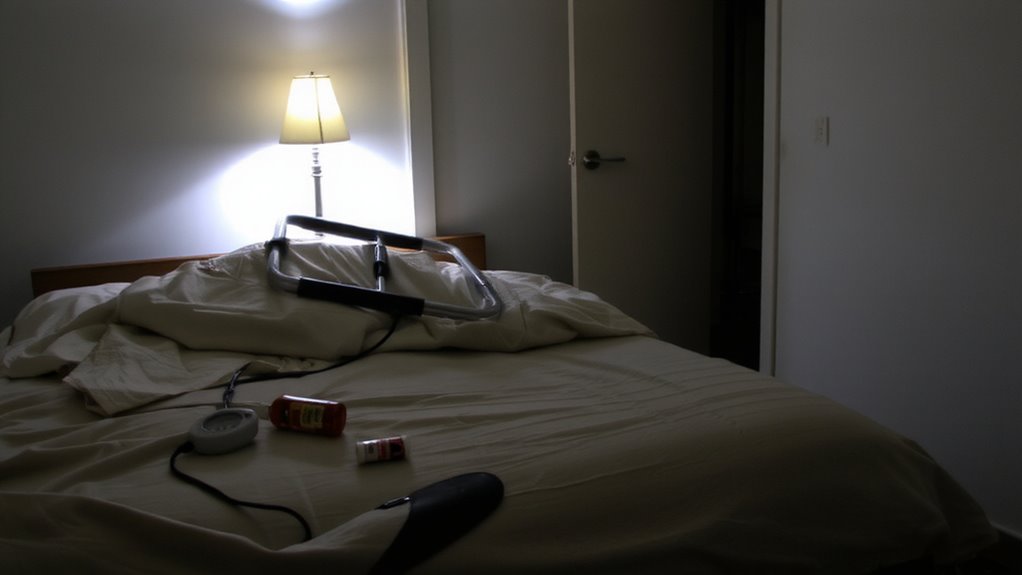
You’ve already learned to catch subtle shifts in behavior and memory-those early cracks in routine that hint at deeper strain. Now, focus on physical and cognitive red flags that signal immediate risk. Declining mobility isn’t just about moving slower; it’s when stairs become unmanageable, balance falters, or they avoid walking without support. This increases fall risk and limits self-care. Sudden confusion is more urgent-a sharp change from their baseline. If they’re disoriented, struggling with speech, or can’t follow simple instructions, it may indicate infection, stroke, or metabolic imbalance. These aren’t normal aging quirks. Unlike gradual decline, sudden confusion demands same-day evaluation. Monitor for these warnings daily. Catching them early doesn’t prevent all emergencies, but it shortens response time. Document changes clearly. Share them with medical professionals without delay. Actionable observation beats guesswork every time.
Is Your Caregiving Network Strong Enough?
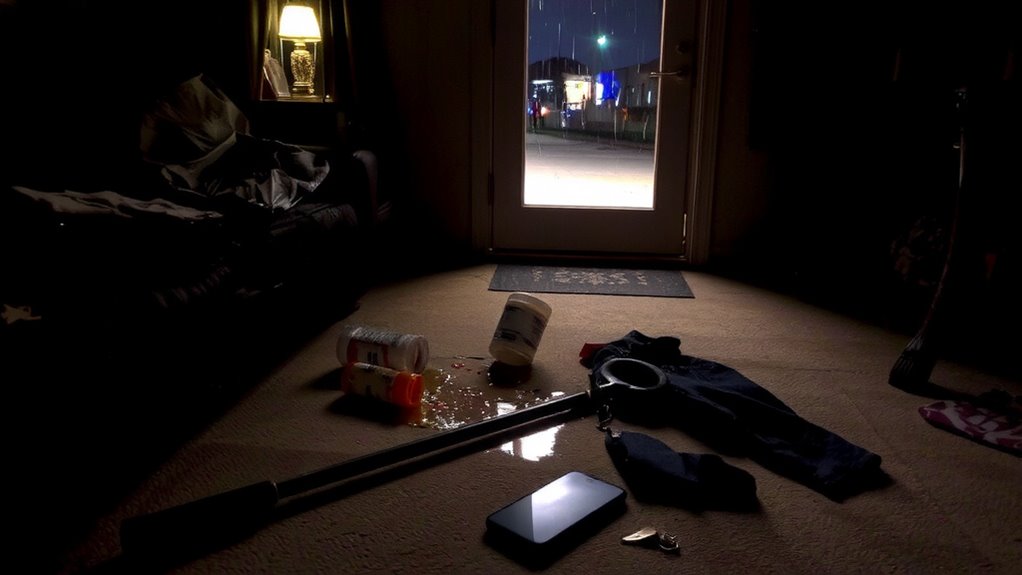
How confident are you that help will arrive when it’s needed most? Relying solely on immediate family support is risky-illnesses, distance, or job conflicts can disrupt availability. You need defined backup plans. List every potential caregiver: siblings, neighbors, close friends, and their contact details. Rank them by proximity, health, and willingness. Test responsiveness by simulating a non-urgent request. Update this network quarterly. Consider formal services as secondary layers-non-medical home care agencies can fill gaps, but enrollment takes time. Paid apps that alert networks during emergencies add speed, but only if contacts respond. A strong caregiving network isn’t about size-it’s verified, practiced, and layered. If your current plan depends on one or two people without alternatives, it’s not strong enough. Build redundancy now.
Find Hidden Home Hazards That Cause Emergencies
Where do most falls happen? At home, often due to hidden hazards you might overlook. Loose rugs are a top culprit-they shift underfoot, creating tripping risks, especially in hallways or near beds. Secure them with non-slip pads or remove them entirely. Check flooring shifts; even small height differences can catch feet. Blocked exits are another serious issue. Furniture, storage, or clutter in hallways or doorways slow evacuation during emergencies. Clear at least a 32-inch path through all main routes. Test each exit to guarantee quick access. Poor lighting worsens these dangers-install motion-sensor lights in key areas. Assess bathrooms and stairs closely: grab bars and handrails reduce fall risks. These fixes are low-cost but high-impact. Addressing loose rugs and blocked exits improves safety faster than most interventions. Simple changes can prevent emergencies before they start.
Prepare for Power Outages and Natural Disasters
While power outages and natural disasters can strike without warning, preparing essential equipment in advance makes a measurable difference in safety and comfort. You should have emergency kits stocked with water, non-perishable food, medications, flashlights, and batteries-enough to last at least 72 hours. Check supplies every six months to replace expired items. Backup generators provide power for medical devices and refrigeration; a 3,000-watt inverter generator runs critical loads for 8–10 hours on 1 gallon of fuel. Manual operation requires refueling, so store gasoline safely and consider noise and carbon monoxide risks. Portable power stations offer quieter, emission-free alternatives but deliver less sustained output. Place emergency kits and generator instructions in accessible, known locations. Test generators quarterly to confirm start-up and voltage stability. A freezer power failure alarm can alert you to temperature fluctuations during outages, helping protect medications and frozen food supplies. Your preparedness reduces reliance on external help and maintains essential functions during disruption.
When to Call in Emergency Elder Care Professionals
What separates a manageable crisis from a dangerous decline when caring for an elderly person during an emergency? It’s your ability to recognize when they need professional backup. If they’ve fallen and can’t get up, or show sudden confusion, chest pain, or trouble breathing, don’t wait-call for emergency elder care. Medical alerts with rapid response systems cut help time to minutes, especially if they’re worn consistently and tested monthly. These devices work best when paired with a reliable signal range and 24/7 monitoring. A rapid response team can assess key health indicators, administer first aid, and coordinate transport if needed. Don’t rely on neighbors or delayed calls. If the situation risks harm beyond your ability to assist safely, professionals must step in. Delaying increases danger. Immediate action improves outcomes.
On a final note
You need a plan now-delays increase risk. Monitor health changes, home safety, and caregiver capacity regularly. Power outages and falls are leading triggers; 60% of emergencies happen without warning. Backup power, medical alerts, and clear contact lists cut response time. No single solution fits all; balance cost, ease of use, and reliability. Test systems every three months. Adjust as needs shift-because waiting until a crisis hits means it’s already too late.