Addressing Seasonal Affective Disorder Symptoms While Living in Remote Locations
You’re more likely to face severe SAD in remote areas due to less daylight and limited care access. Catch symptoms early-like fatigue, mood shifts, or sleep changes-with daily tracking via journal or app. Use a 10,000 lux light therapy lamp for 20–30 minutes each morning, placed 16–24 inches away, filtering UV. Stick to a firm sleep-wake schedule. Pair therapy with short daytime walks. Eat whole foods, move daily-even five minutes helps-and sleep 7–9 hours. Online SAD groups offer real strategies and boost follow-through with consistent participation. More practical steps follow.
Notable Insights
- Monitor mood, sleep, and energy daily through journaling or apps to catch early SAD symptoms in remote settings.
- Use a 10,000 lux light therapy lamp for 20–30 minutes each morning shortly after waking.
- Maintain consistent wake and bedtimes to stabilize circadian rhythms despite limited daylight.
- Join online SAD support groups to access coping strategies and reduce isolation with flexible scheduling.
- Prioritize whole foods, brief daily movement, and 7–9 hours of sleep to support overall mental health.
Spot SAD Symptoms Early in Isolated Areas
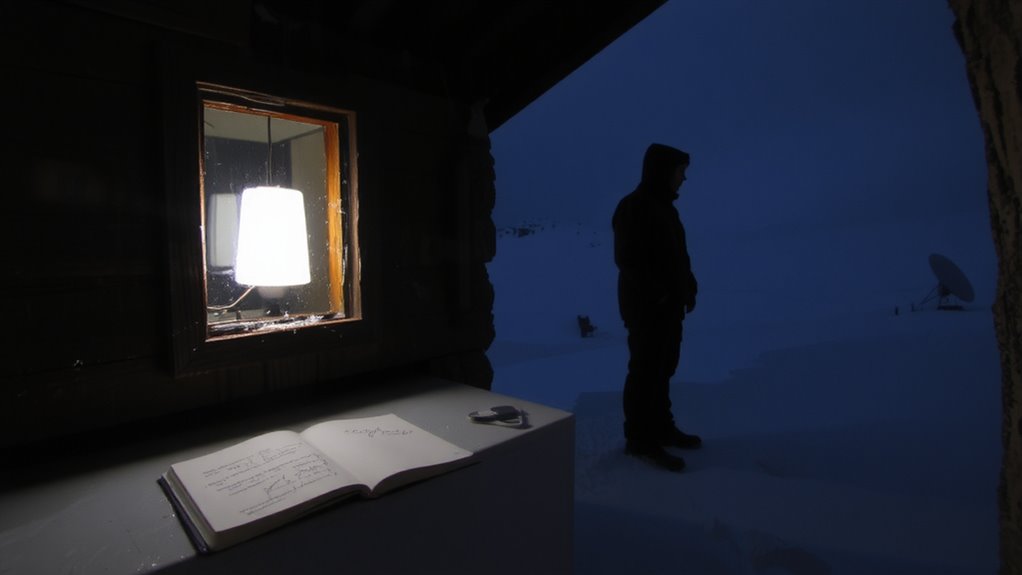
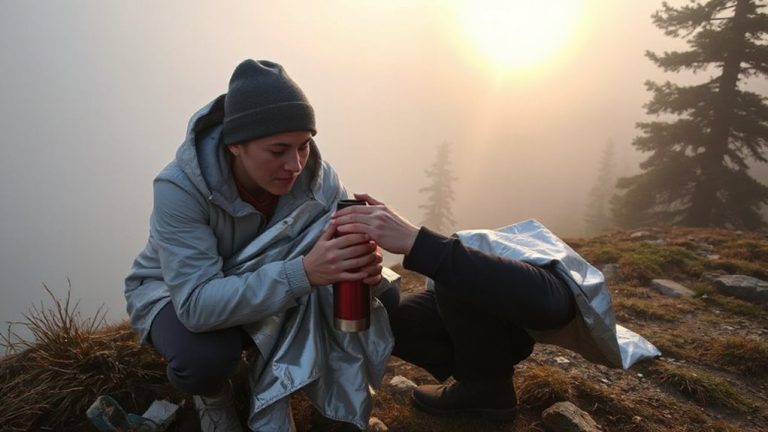
Why wait until winter drags you down? In remote locations, seasonal affective disorder (SAD) strikes harder and recovers slower due to limited medical access. You need to recognize triggers early-like dwindling daylight, prolonged darkness, or isolation stress. These spark mood dips that can deepen if ignored. Monitor changes in sleep, energy, and concentration daily. Track them in a journal or simple app; consistency matters more than complexity. Early signs include irritability, appetite shifts, and social withdrawal-don’t dismiss them as fatigue. In isolated settings, where help is hours or days away, detection speed affects outcome. Spotting symptoms early doesn’t guarantee prevention, but it gives you time to act. You can adjust routines, increase activity, or contact support before decline accelerates. Recognize triggers, monitor changes, and respond as soon as patterns emerge. That’s your best field-tested strategy when help isn’t nearby.
Use a Light Therapy Lamp Every Morning
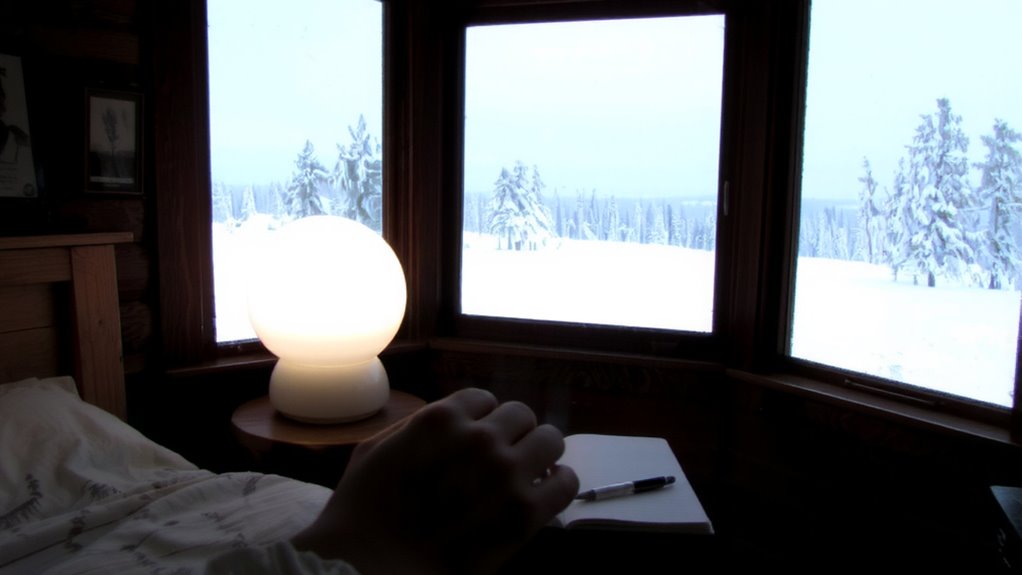
If you’re contending with long winters and limited sunlight, using a light therapy lamp every morning can make a measurable difference in maintaining alertness and mood. For best results, choose a lamp with at least 10,000 lux lamp intensity-this level delivers effective light exposure in 20 to 30 minutes. Position the lamp about 16 to 24 inches from your face, angled slightly downward, during your morning routine. Consistent light timing matters: use it within an hour of waking, ideally between 6:00 and 8:00 a.m., to align with circadian rhythms. Studies show morning sessions are more effective than later use. Avoid staring directly at the light, but keep your eyes open and engaged in normal activities like eating or reading. Not all lamps filter UV light-choose one that does to protect your eyes. Effectiveness depends on routine use and proper setup, not brand reputation.
Stick to a Consistent Daily Routine
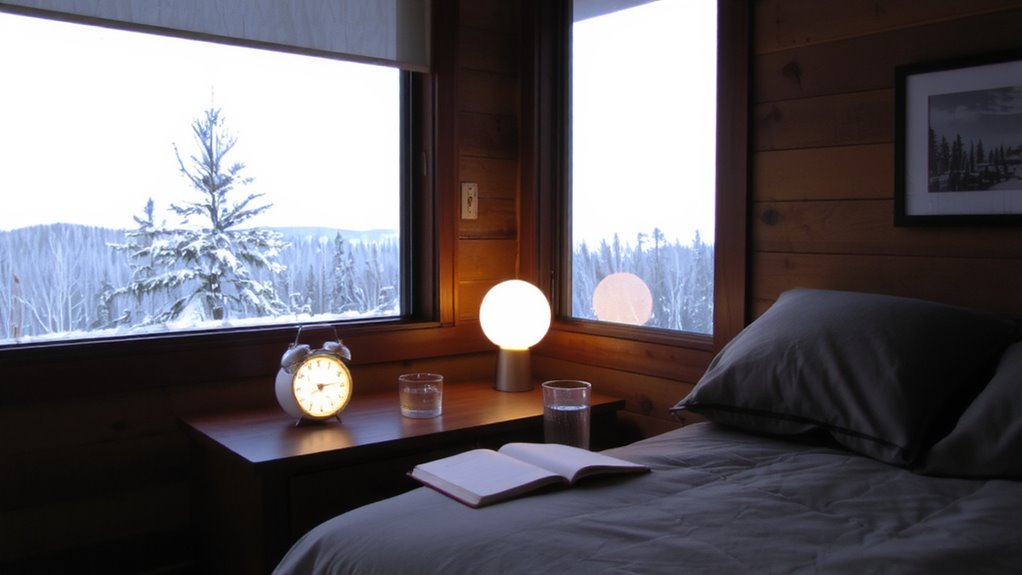
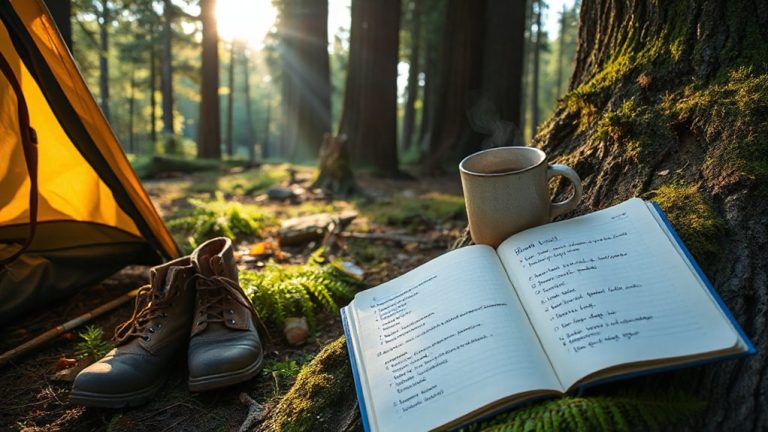
Even with the best gear and light therapy, your mood and energy in remote locations still depend heavily on timing and structure, so sticking to a consistent daily routine helps stabilize your circadian rhythm and minimize the impact of seasonal darkness. Wake and sleep at the same time every day, even on weekends. Your body responds to predictability. Schedule morning walks right after light therapy-natural light exposure boosts alertness and reinforces your internal clock. Keep them short, 20–30 minutes, but consistent. Include journal writing each morning or evening to track mood patterns and detect early dips. It takes little time and provides measurable insights. Avoid shifting your routine during low-light months; inconsistency worsens fatigue. Structured days improve sleep quality, focus, and emotional resilience. The benefit isn’t novelty-it’s repetition. Over time, this routine reduces symptoms more effectively than sporadic efforts. Stick to it like equipment maintenance: necessary, routine, and non-negotiable.
Join Online Support Groups for SAD
How do you maintain mental resilience when isolation amplifies the weight of seasonal darkness? You build emotional resilience through virtual connections that offer consistent, accessible support. Online support groups for SAD provide structured spaces where you can share experiences, learn coping strategies, and receive feedback from others facing similar challenges. These groups operate daily or weekly, often at flexible hours, letting you participate regardless of time zone or schedule. Most platforms require only a stable internet connection and basic digital literacy. While they don’t replace clinical treatment, they supplement it effectively. Virtual connections reduce feelings of isolation without demanding travel or face-to-face interaction. Studies show regular participation improves mood tracking and treatment adherence. You gain practical insights-like how others manage low energy or sleep disruptions-tested in real conditions. It’s a measurable, low-cost tool. The trade-off? Success depends on consistent engagement. Skip sessions, and benefits decline.
Eat Well, Move, and Sleep to Lift Your Mood
When daylight fades and isolation tightens its grip, your daily habits become the foundation of mental resilience. Eating well supports stable mood-practice mindful eating by focusing on whole foods, balanced portions, and regular meals; it helps regulate energy and reduces mood swings. Processed foods may offer short-term comfort but often lead to energy crashes. Pair nutrition with joyful movement-activities you genuinely enjoy, like dancing, stretching, or brisk walks-even five minutes counts. These actions boost endorphins and improve sleep quality. Aim for consistent sleep times, as irregular patterns disrupt circadian rhythms. Total sleep duration should stay within 7–9 hours nightly for peak function. Small, repeatable choices in eating, movement, and sleep deliver measurable improvements in mood and alertness. These habits won’t replace light or social connection, but they’re reliable tools when resources are limited.
Brighten Your Space With Smart Lighting
If you’re stuck indoors for long stretches, upgrading your lighting can make a real difference in how you feel-especially where natural light is scarce. Smart lighting systems let you adjust color temperature, simulating daylight during morning hours and shifting to warmer tones at night. Research shows cooler light (5000–6500K) boosts alertness and focus, while warmer light (2700–3000K) supports relaxation. You can program smart schedules to match natural circadian rhythms, turning lights on before sunrise and dimming them at night. These schedules run automatically, reducing effort over time. Most systems sync with apps or voice assistants, allowing fine-tuned control. While initial cost is higher than standard bulbs, the long-term benefits for mood and sleep regulation are measurable. Smart lighting isn’t a cure, but it’s a reliable tool that works where sunlight doesn’t reach. For added peace of mind during power outages, consider integrating best emergency lights into your setup to maintain consistent illumination.
On a final note
You’ll manage SAD better in remote areas by combining light therapy with routine. A 10,000-lux lamp used 20–30 minutes each morning cuts fatigue in 1–2 weeks. Consistent sleep and daily movement improve results. Online support offers practical coping strategies, tested in isolated settings. Smart lights help maintain circadian rhythm. No single fix works alone-stack interventions for reliable symptom control. Eat whole foods, stay active, and stick to the plan.