Maintaining Hygiene Standards in Remote Locations: Essential Items for Personal Cleanliness
You’ll need personal wipes, hand sanitizer with at least 60% alcohol, and a microfiber towel for basic hygiene where water’s scarce. Wipes remove dirt and bacteria; fragrance-free and alcohol-free options reduce skin irritation. Use coin-sized sanitizer amounts and rub for 20 seconds. Dry shampoo refreshes hair, while merino wool layers resist odor. Pack out waste with sealed, carbon-filtered bags. Proper tools keep you clean, comfortable, and ready-there’s more to get right when conditions stay tough.
Notable Insights
- Use fragrance-free personal wipes to effectively remove dirt and bacteria when water is unavailable.
- Apply hand sanitizer with at least 60% alcohol, using a coin-sized amount rubbed for 20 seconds.
- Include a microfiber towel in your kit for quick-drying, packable, and reusable surface cleaning.
- Manage body odor with antimicrobial cloths and natural, baking soda-free deodorants after wiping key areas.
- Pack out waste using sealed, carbon-filtered bags or bury it 6–8 inches deep where permitted.
Stay Clean Off-Grid: Hygiene Starts Here
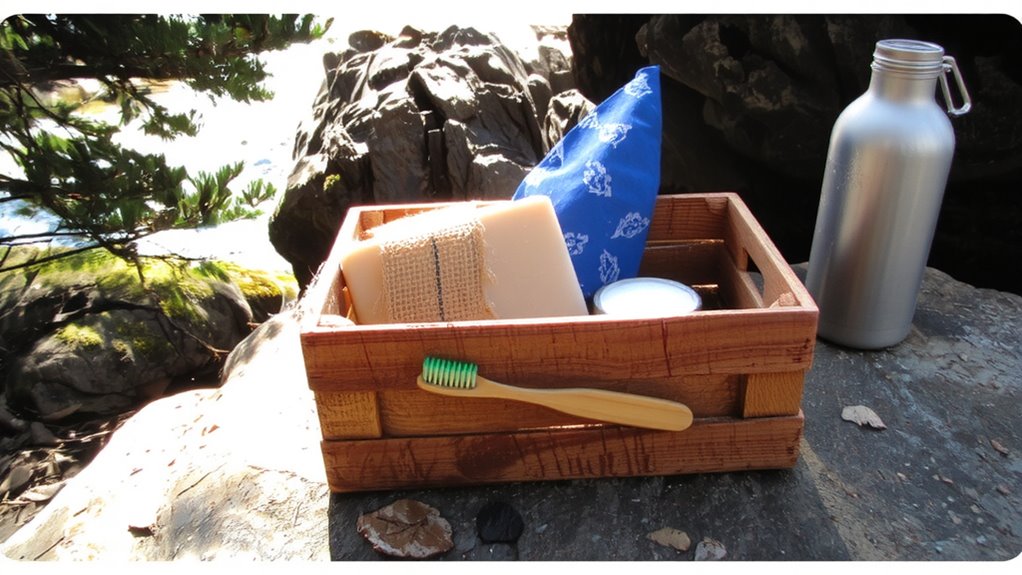
How do you maintain basic hygiene when there’s no running water or electricity? You rely on portable, effective tools that fit in a pack and work anywhere. Personal wipes are absorbent and pre-moistened, removing dirt and bacteria from skin when washing isn’t possible. Use them daily for face, hands, and underarms-choose fragrance-free to reduce skin irritation. Hand sanitizer with at least 60% alcohol kills germs quickly after handling gear or before eating. Apply a coin-sized amount and rub for 20 seconds. Both products are lightweight, with wipes averaging 2–3 grams each and sanitizer bottles starting at 2 fluid ounces. They’re not full replacements for showers or handwashing, but they reduce infection risk in remote conditions. Store them in sealed bags to prevent leaks or moisture damage. In field tests, users report fewer skin issues when using wipes and sanitizer consistently. Practice discipline: clean when needed, not just when convenient.
Use These Essential No-Water Cleaning Supplies
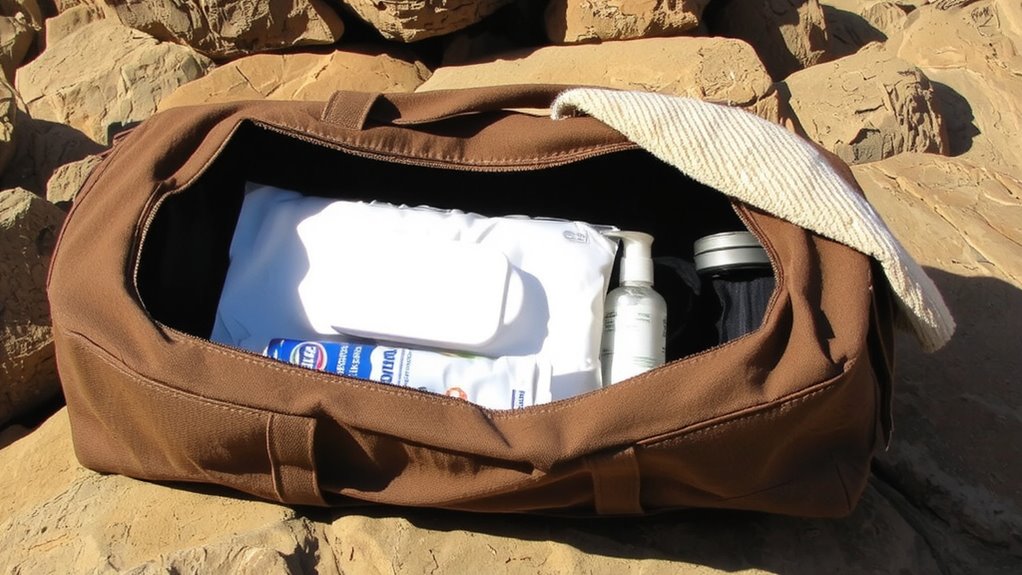
A solid hygiene kit for no-water conditions comes down to three items: wipes, sanitizer, and a towel. Wet wipes remove sweat and debris without rinsing; choose alcohol-free versions to prevent skin irritation during extended use. Pack a microfiber towel-it dries fast and takes up little space. Hand sanitizer with at least 60% alcohol cuts germ transmission when soap isn’t available. For hair, dry shampoo absorbs oil and refreshes strands between washes; just massage powder in and wipe out with a cloth. These supplies weigh little: most wet wipes come in 10–30 count packs under 4 oz., and dry shampoo sprays range from 2–5 oz. There’s no perfect substitute for water, but this combo maintains basic standards. Reuse when possible, but discard wipes after one heavy use. Together, they offer a practical baseline-minimalist, field-tested, and reliable in remote conditions. For optimal freshness, consider using camping body wipes designed specifically for extended outdoor hygiene.
Wash Without Running Water: Step-by-Step?
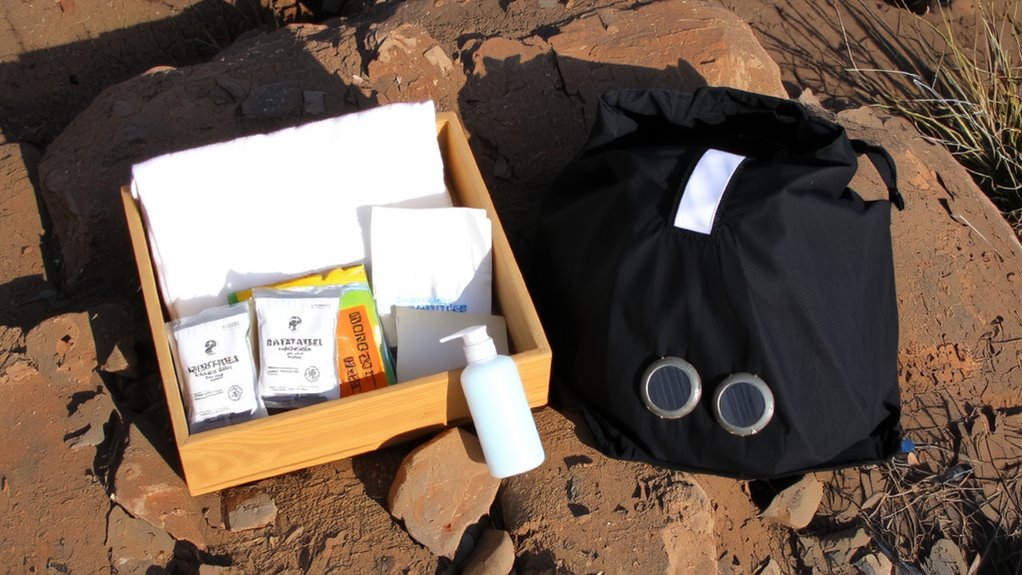
Where do you start when there’s no sink or shower in sight? Begin with dry brushing-use a natural-bristle brush on dry skin, sweeping upward toward the heart. It removes dead cells and stimulates circulation without water. Do this before oil cleansing to maximize effectiveness. For oil cleansing, apply a few drops of lightweight oil like jojoba to your face and massage gently; it dissolves sebum and dirt. Wipe off with a clean, damp cloth-no running water needed. Use purified wipes only if necessary, as they can disrupt pH balance. Dry brushing daily keeps skin exfoliated and reduces odor buildup. Oil cleansing prevents clogged pores, especially in hot, dusty environments. Both methods require minimal supplies and work in extreme conditions. Together, they maintain skin integrity and hygiene when water’s unavailable. This routine’s efficient, low-risk, and proven in field tests across arid and remote regions.
Stay Fresh When Showers Aren’t an Option
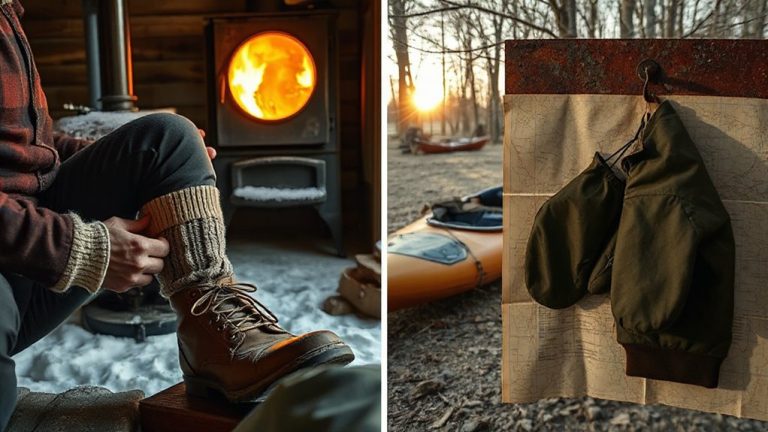
You’ve already tackled dry brushing and oil cleansing to keep your skin functioning properly without water, but staying fully fresh between washes demands more targeted methods. Wipe key areas like underarms, feet, and groin with antimicrobial cloths; they cut odor-causing bacteria for 6–8 hours, especially when followed by natural deodorants free of baking soda, which irritate sweat-exposed skin. Apply deodorant after wiping and allow air drying-don’t dress until skin is dry, as trapped moisture increases bacterial growth by 40%. Merino wool base layers help too, resisting odor for up to five days without washing. Cotton socks paired with open-weave boots aid air drying and reduce foot moisture by 30% compared to synthetics. You won’t feel shower-fresh, but these steps reduce odor and discomfort reliably. Real-world hikers using this routine report lower irritation and sustained freshness over nine-day treks without water wash.
Handle Waste Without Ruining Your Routine
Even when water’s off-limits, you can manage waste effectively without disrupting your hygiene routine. Use portable waste disposal systems like collapsible wagons or sealed bags designed for human waste; they’re lightweight and simplify containment. For odor control, choose products with built-in carbon filters or add zeolite powder, which neutralizes smells at the molecular level. Double-bagging with odor-seal closures cuts down on exposure and mess. Burying waste 6–8 inches deep works if local regulations allow, but in rocky or frozen terrain, you’ll need pack-out solutions. Wipe with biodegradable tissues, but pack those out too if decomposition isn’t likely. A small trowel made of durable plastic weighs little and lasts. Keep waste disposal and odor control steps consistent-same order, same tools-so it becomes automatic. This routine preserves hygiene without excess effort or gear. Minimal setup, reliable performance: that’s what keeps your system running in harsh conditions.
On a final note
You’ll stay clean without water using wipes, biodegradable soap, and a solar shower. These items work when plumbing’s unavailable, but each has limits-wipes take space, soap needs rinsing, solar showers depend on sun. You carry only what’s necessary, so pick lightweight, multi-use products that fit your mission. Practical hygiene off-grid means planning for waste, sweat, and exposure-no luxuries, just function.