Environmental Hazards Explained: What You Need to Know About Deadly Dangers in Nature
You’re facing real danger in the wild, where flash floods drown more people than any other weather hazard, often with no local rain in sight. Venomous snakes strike fast, especially near logs or crevices, and toxic plants lure with bright, deadly berries. Hypothermia, avalanches, and lightning also pose silent, sudden threats. Even clean-looking water can carry unseen toxins. Six inches of moving water can knock you down. Stay alert-your survival hinges on knowing what’s next.
Notable Insights
- Flash floods can strike dry riverbeds suddenly, even without local rain, making them the deadliest weather-related hazard in the wild.
- Venomous snakes often hide near logs or crevices, with triangular heads and heat-sensing pits indicating danger.
- Hypothermia, avalanches, lightning, and wildfires rank among the top natural threats, each requiring immediate recognition and action.
- Toxic plants and berries, especially white, yellow, or green ones, should be avoided unless 100% identifiable.
- Invisible environmental hazards like air or water pollutants can cause long-term health damage without immediate symptoms.
What Makes Environmental Hazards So Deadly
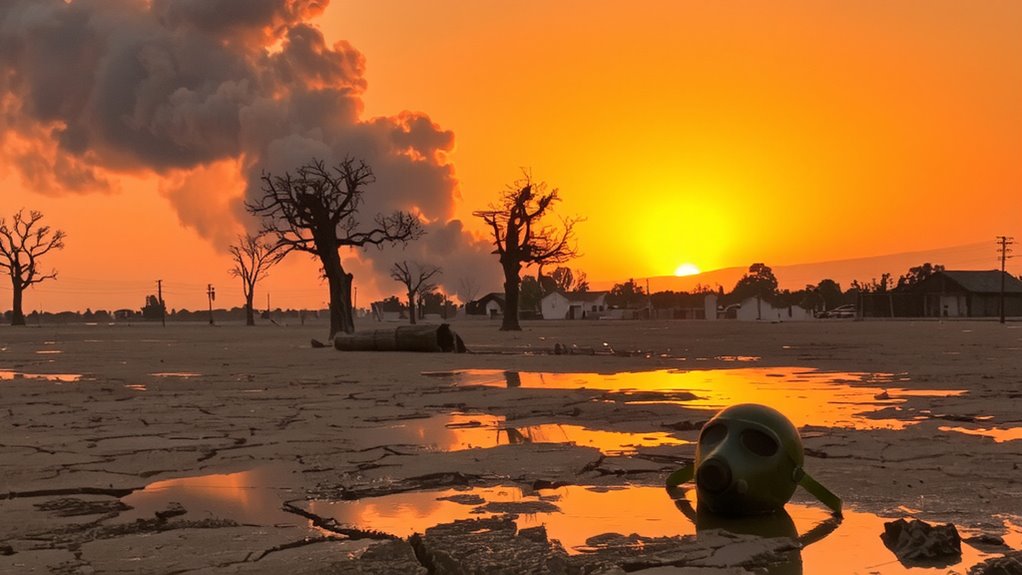
While some hazards seem harmless at first glance, they often carry hidden risks that accumulate over time, making them far deadlier than they appear. You might not feel immediate effects, but toxic exposure from contaminated water or air degrades your health slowly, reducing stamina and weakening immunity. These invisible threats are harder to detect without testing, so relying on appearance alone puts you at risk. Climate shifts amplify existing dangers, extending allergy seasons, boosting insect populations, and altering safe shelter zones. What once worked in your gear or routine may fail under new temperature extremes or sudden weather changes. Unlike sudden disasters, environmental hazards degrade performance over time, often without clear warning. You’ll need reliable filters, updated forecasts, and adaptive strategies. There’s no room for assumptions-verify conditions, measure exposure, and adjust methods based on actual data, not guesses.
The 5 Deadliest Natural Threats to Fear in the Wild
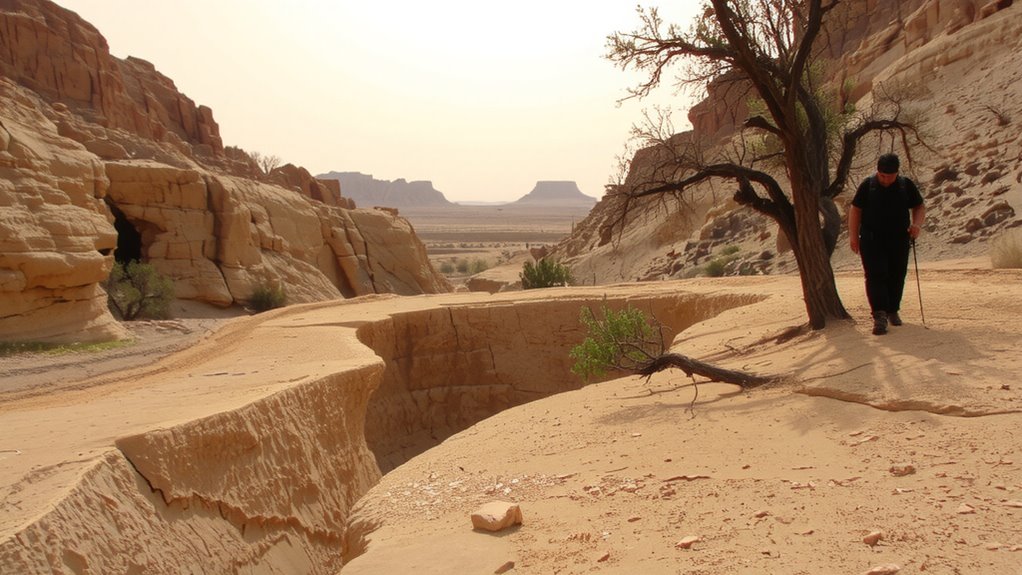
When you’re out in the wild, nature doesn’t announce its dangers with warning labels, and the most lethal threats often go unnoticed until it’s too late. Flash floods are silent killers-dry riverbeds can turn into torrents in minutes, sweeping away everything in their path. They account for more deaths than any other weather-related hazard in wilderness areas. You can’t outrun them, so always check weather forecasts and avoid camping in low-lying areas. Venomous snakes strike fast, and while not all bites are fatal, delays in treatment increase risks greatly. Most encounters happen when you’re stepping over logs or reaching into rocky crevices. Wear sturdy boots and watch your footing. Hypothermia, lightning, and avalanches round out the deadliest five. Each acts quickly, with limited warning. Your best defense is awareness, preparation, and knowing terrain risks before you go.
Deadly Wildlife and Poisonous Plants You Should Avoid

Nature’s dangers aren’t always sudden or signaled-some move slowly, hide in plain sight, or look harmless until you’re too close. You need to recognize threats like venomous snakes and toxic berries, which are often underestimated. Rattlesnakes, copperheads, and coral snakes deliver bites that can disable or kill without prompt treatment. Equally risky are toxic berries-bright colors don’t warn you; they attract. Mistaking them for edible fruit can lead to severe poisoning.
| Hazard | Identification Tip |
|---|---|
| Venomous snakes | Look for triangular heads and heat-sensing pits |
| Toxic berries | Avoid white, yellow, or green berries; many are poisonous |
| Unknown plants | Assume toxicity if not 100% identifiable |
Always carry a field guide and use it. When in doubt, don’t touch, taste, or approach. Prevention is your best survival tool.
Hidden Dangers in Extreme Weather and Natural Disasters
Because extreme weather and natural disasters often strike without warning, you need to understand the risks that aren’t immediately obvious. Flash floods can turn dry riverbeds into roaring torrents in minutes, even when rain falls miles away. The water moves fast, carries debris, and easily knocks you off your feet-just six inches of moving water can destabilize you. Avalanche risks exist even on moderate slopes, especially after heavy snow or rapid warming. Slabs can release without clear warning, burying or carrying you under tons of snow. Most deaths occur within the first 15 minutes due to trauma or suffocation. You’re more vulnerable in terrain traps like gullies or below cornices. Weather changes fast in high elevations, and radar data often lags behind local conditions. You must assess slope angle, recent snowfall, and layer stability before traveling in avalanche terrain. Always check forecasts and avoid known danger zones during high-risk periods.
How to Survive Sudden Environmental Threats in the Wild
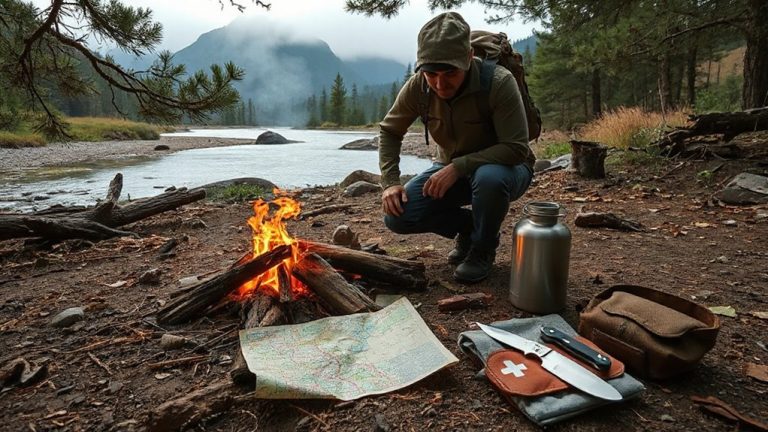
What do you do when the ground starts shaking or the sky turns green? You act fast and stay calm. If you’re near dry brush and see smoke, wildfires can close in faster than you think-leave immediately and don’t wait. Move uphill or into previously burned areas, which offer the best cover. Flash floods are just as deadly; if you’re in a canyon or dry riverbed and hear thunder, get to high ground now. Six inches of moving water can knock you off your feet. Carry a whistle and emergency shelter, both proven in tests to improve survival odds. Don’t rely on smartphones-signal mirrors and fire-starting tools work when batteries die. Your best gear means nothing if you hesitate. Know escape routes before threats hit. Preparation trumps gear every time. Include long shelf-life meals in your emergency kit to ensure reliable nutrition during prolonged crises.
On a final note
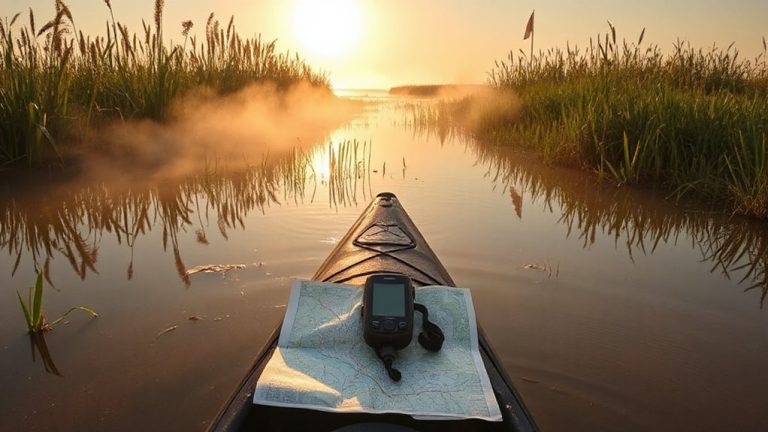
You face real risks in the wild, but preparation cuts them. A reliable water filter removes 99.99% of pathogens, and a quality emergency shelter keeps core temperature stable. Maps and compass beat GPS when batteries fail. Avoid risky areas and know warning signs-like sudden river rises or bee swarms. No gear replaces judgment. Test equipment before you go. Simple, proven tools save lives.