Evaluating the Role of Community Volunteers in Siren Maintenance
You rely on volunteers because budgets rarely allow for full-time siren staff, and trained locals can handle basic checks and battery swaps effectively. But weekend training won’t prepare them for electrical faults or high-pressure false alarms. Success depends on clear roles, drills, and coordination with first responders. Without standardized certification or proper tools, performance varies. Sustainable teams use checklists, shared logs, and rotate duties to prevent burnout-knowing what works next could change your approach.
Notable Insights
- Volunteers are essential for siren maintenance in small towns due to limited budgets for full-time staff.
- Limited training and skill gaps can compromise volunteers’ ability to diagnose technical issues and respond under pressure.
- Clear roles, regular drills, and coordination with emergency services improve volunteer program effectiveness.
- High turnover and lack of standardized equipment hinder consistent maintenance and long-term system reliability.
- Structured training, documented procedures, and workload sharing enhance sustainability and team resilience.
Why Towns Rely on Volunteer Siren Maintenance
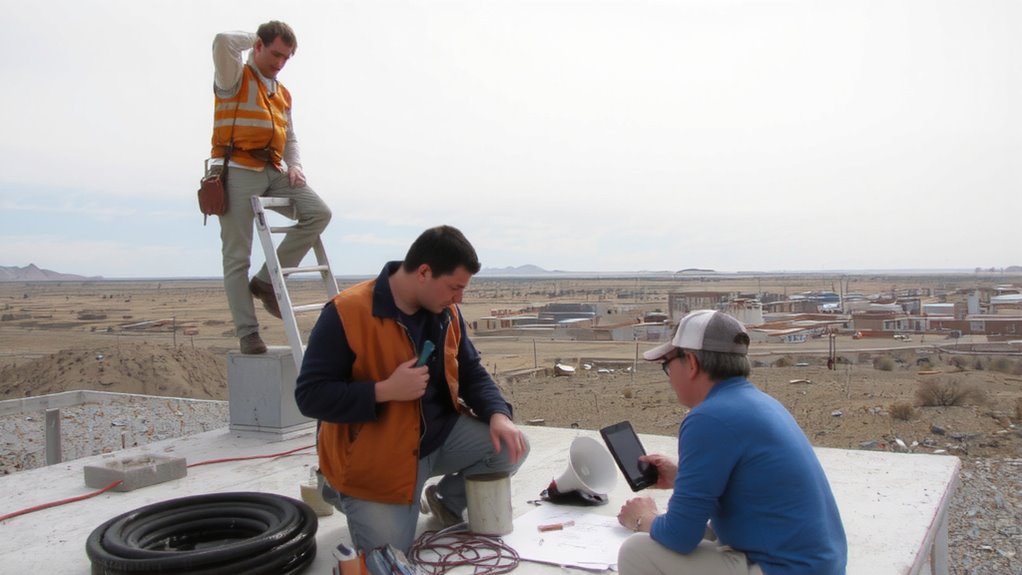
A lot of small towns rely on volunteer siren maintenance simply because they can’t afford full-time staff for the job. You’re looking at tight budgets where every dollar counts, and hiring isn’t realistic. Volunteers fill the gap, performing routine checks, battery replacements, and minor repairs. These tasks don’t always need professional certification, just basic training and reliability. Community trust grows when neighbors know locals-people they see at grocery stores or church-are handling the systems meant to protect them. It’s not perfect, but it’s practical. Local pride plays a role too. Volunteers often take extra care because they’re safeguarding their own families. The trade-off is clear: reduced costs and increased civic involvement versus potential inconsistencies in maintenance timing or technical depth. The system works as long as volunteers stay committed and leadership provides tools and oversight. It’s a functional solution shaped by necessity, not idealism.
Do Volunteers Get Enough Siren Training to Ensure Reliability?
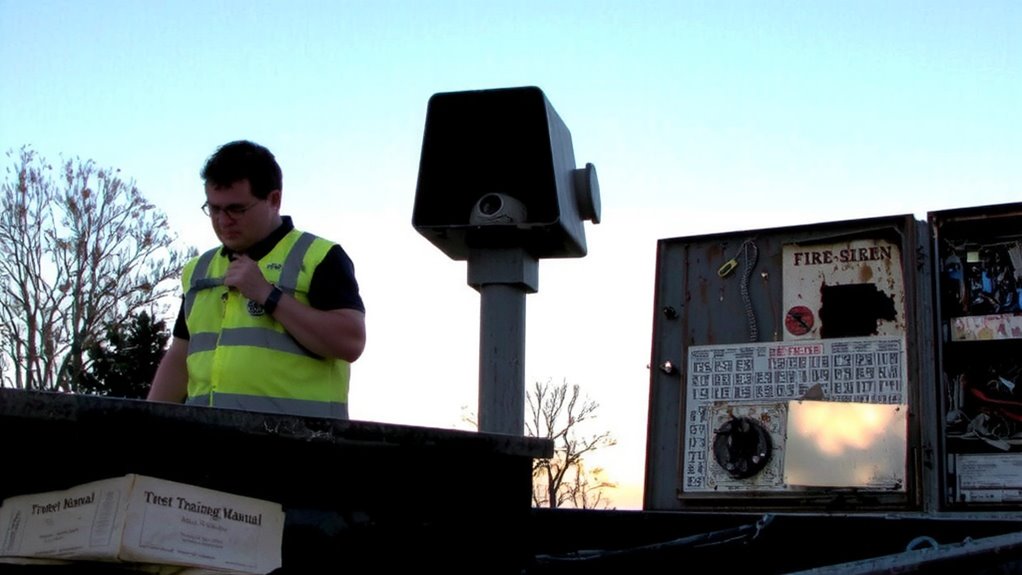
You’re trusting your town’s warning system to people who may only get a weekend of training before taking on life-or-death responsibility. That short timeframe often leaves critical skill gaps, especially in diagnosing electrical faults or responding to false alarms under pressure. Without recurring drills or performance evaluations, volunteers might know how to activate a siren but not how to verify its signal reaches all required zones. These skill gaps increase the chance of missed warnings or delayed responses. Oversight risks grow when no standardized certification exists and when supervisors lack time to monitor readiness. Some programs use checklists and annual refreshers, but not all do. You can’t assume every volunteer has the same baseline knowledge or access to updated procedures. In emergencies, reliability depends on consistent training-not goodwill. When the storm hits, it won’t matter who pressed the button, only whether the siren worked.
When Volunteer Siren Programs Work: And Why They Fail
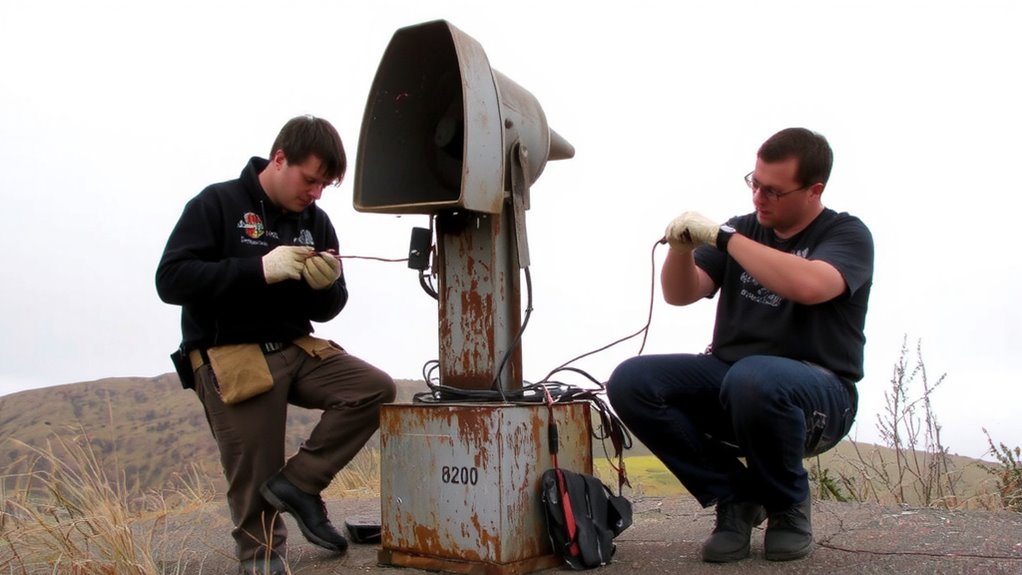
Why do some volunteer siren programs function reliably while others fail when tested by real emergencies? You see success when volunteers have clear roles, regular drills, and strong coordination with local emergency services. These programs minimize signal delays because maintenance schedules are predictable and response protocols are practiced. When systems are tested monthly and communication lines stay open, performance stays consistent. But when expectations aren’t managed or participation becomes uneven, you’re likely to face community burnout. That’s when routine checks get skipped, and minor issues turn into system failures. Burnout often follows overreliance on a few individuals without backup. Programs fail not because volunteers lack willingness, but because the structure lacks resilience. Without rotation or support, even dedicated teams slow down. Signal delays increase, reducing public trust. Strong programs plan for sustainability; weak ones depend on goodwill alone, and that’s not enough when seconds count.
Challenges Like Turnover, Tools, and Funding in Siren Upkeep
Even though volunteers are essential, keeping siren systems operational over time depends on managing three real-world constraints: turnover, tool access, and consistent funding. When experienced volunteers leave, you lose muscle memory on siren calibration and troubleshooting-tasks that require precision and training. New members need time to learn, which delays maintenance and weakens reliability. Without access to proper tools, especially calibrated test equipment, you can’t verify performance or guarantee consistent sound output. That directly impacts equipment longevity, as undetected wear goes unaddressed. Funding gaps limit tool purchases and spare parts, forcing teams to improvise or delay repairs. You might extend a siren’s life with careful upkeep, but inconsistent support reduces mean time between failures. Reliable operation isn’t just about manpower-it’s about having the right tools, trained people, and steady resources to maintain standards. Without these, even the best-intentioned efforts fall short.
How to Build Sustainable Local Siren Maintenance Teams
While experience and dedication matter, building a sustainable siren maintenance team starts with structured training that keeps knowledge consistent across members. You need clear procedures, documented checklists, and regular drills so replacements can step in without service gaps. Rotate roles to build cross-training and prevent burnout. Establishing community trust means showing reliability-teams that test weekly and log results publicly. That transparency encourages long term engagement. Assign point people for parts sourcing, scheduling, and safety compliance to distribute workload. Use shared digital logs for repairs and inspections so everyone stays informed. Funding fluctuates, so focus on low-cost preventive routines that extend equipment life. Volunteers stay involved when they see impact, so report response times and system uptime. Sustainability isn’t about enthusiasm-it’s about systems that persist even when key members leave. Keep it simple, repeatable, and visible.
On a final note
You’ll need reliable volunteers, but turnover and skill gaps can compromise siren readiness. Training must meet clear performance standards, not just basic familiarity. Tools and funding are often insufficient, affecting response times and repair quality. A sustainable program balances volunteer effort with consistent oversight, measurable maintenance schedules, and backup protocols. Relying on goodwill alone fails; systems that track performance and provide resources work when accountability is built in.