How to Identify Edible Plants Without Damaging Local Ecosystems During Emergency Foraging
Start with common plants like dandelions or plantains-they’re widespread and regenerate quickly. Always double-check look-alikes using smell, leaf shape, and habitat to avoid poisonous mistakes. Only take what you need, leave roots intact, and never strip a patch. Focus on invasives like garlic mustard to help native species. Test unfamiliar plants step by step using the Universal Edibility Test. Your choices now shape what grows later. Smart actions here lead to safer results down the trail.
Notable Insights
- Focus on abundant, fast-growing species like dandelions and plantains to minimize ecological impact and foraging effort.
- Use multiple trusted sources to identify plants and avoid toxic look-alikes through key distinguishing features.
- Harvest only what you need, leaving roots intact to allow regrowth and preserve plant populations.
- Prioritize invasive species such as garlic mustard and Japanese knotweed to support ecosystem balance.
- Test unknown plants safely using the Universal Edibility Test to prevent poisoning while confirming edibility.
Start With Abundant, Non-Threatened Species First
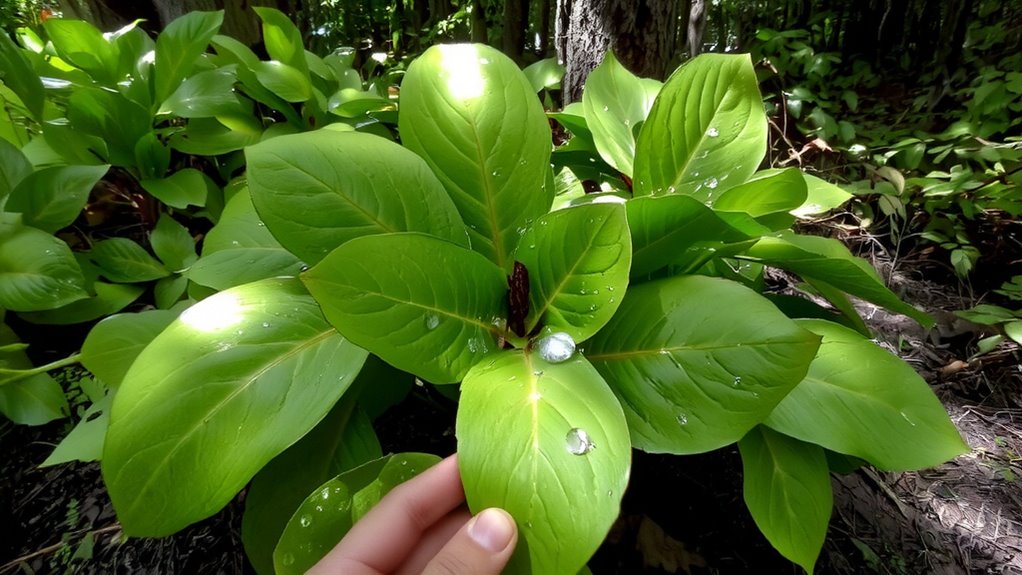
Survival hinges on smart choices, and foraging is no exception. You should start with abundant, non-threatened species because they’re easier to find and safer to harvest sustainably. High plant abundance reduces search time and energy expenditure, both critical in emergencies. These species often show strong environmental tolerance and recovery rates, indicating proven species resilience. Prioritizing them minimizes ecological damage and guarantees future availability. Look for plants spreading across disturbed areas, roadsides, or open fields-these locations signal adaptability and low conservation risk. Avoid rare, slow-growing, or localized plants, even if edible, since harvesting them risks permanent loss. Common dandelions, plantains, and lambsquarters meet the criteria: widespread, fast-reproducing, and nutritionally useful. Your impact matters. Choosing the right plants balances immediate needs with long-term resource stability. Stick to resilient species-you’ll conserve biodiversity while meeting survival demands efficiently.
Use Look-Alikes to Avoid Mistaking Toxic Plants
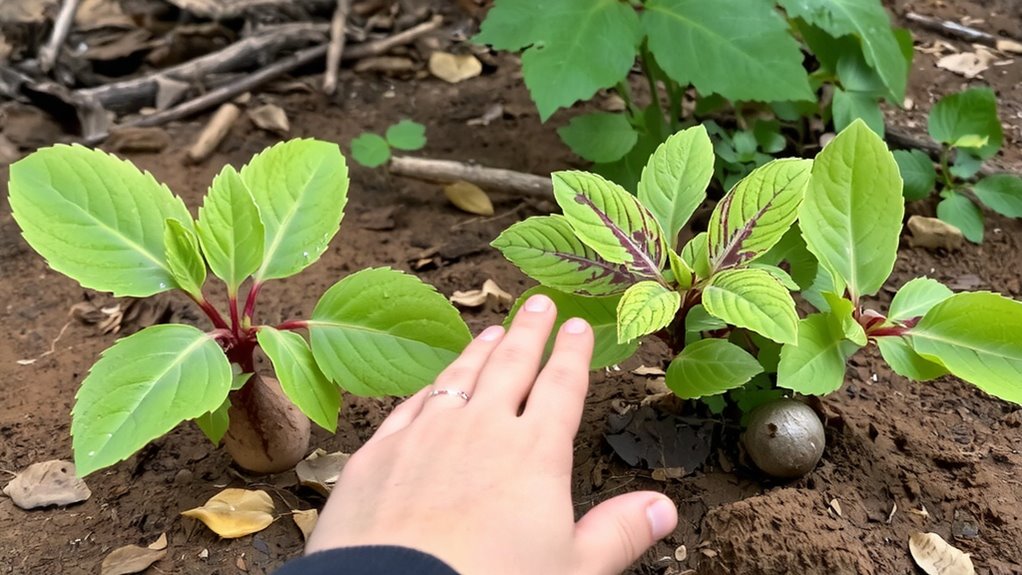
While many edible plants have toxic twins, learning key differences in their look-alikes cuts your risk of poisoning. You need accurate plant identification to tell safe species from dangerous mimics. For example, wild garlic has a distinct smell, while its toxic look-alike, lily of the valley, doesn’t. Always check multiple features-leaf shape, stem structure, odor, and habitat-to confirm identity. Relying on a single trait increases error. Toxicity awareness means recognizing that some plants cause mild reactions while others can be fatal. Mistaking water hemlock for edible parsley can be deadly, so verify every detail. Use trusted field guides or apps with verified images, but cross-reference at least two sources. Never eat a plant unless you’re 100% certain. Mistaking look-alikes is a leading cause of foraging harm. Train yourself before emergencies arise.
Harvest Only What You Need, Leaving Roots and Regrowth
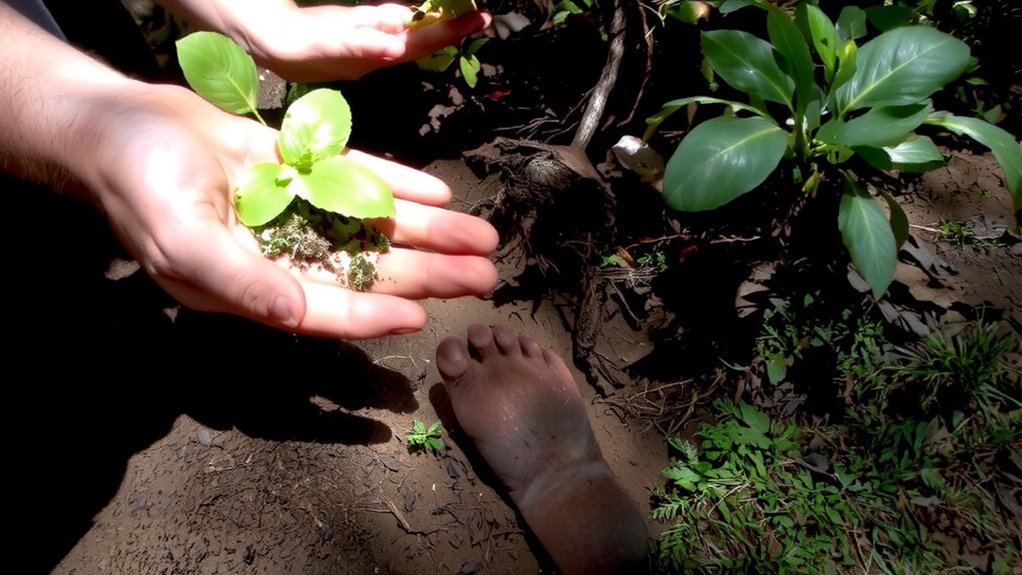
If you’re gathering wild plants for food, take only the portion you need and leave the roots intact so the plant can regrow. Sustainable harvesting guarantees the species survives and continues providing food over time. Removing entire plants, especially perennials, increases your ecological impact and reduces future availability. For example, harvesting just the leaves of dandelions or dock allows the plant to survive and reproduce. Over-picking depletes local populations, particularly in stressed environments. You don’t need more than a handful of most greens per meal. Taking less than half from any patch prevents overharvesting. This method supports long-term foraging success and preserves biodiversity. Minimizing damage to the root system maintains soil stability and protects other species relying on the same habitat. Sustainable harvesting isn’t optional-it’s necessary for maintaining ecosystem balance. Your choices directly affect plant availability and environmental health. Act accordingly.
Prioritize Invasive Edibles to Support Ecosystem Balance
When you forage with ecosystem impact in mind, targeting invasive plant species makes practical sense-you’re feeding yourself while reducing harm to native flora. Plants like garlic mustard, Japanese knotweed, and tamarisk spread aggressively and outcompete local species. Harvesting them helps restore balance. Focus on proper harvest timing to maximize edibility and minimize spread; for example, collect garlic mustard in early spring when young leaves are tender and before seed pods form. Plant maturity matters-older stems become fibrous and less palatable. Knotweed spears are best harvested in late spring, just as they emerge. Regular removal of invasives during peak growth weakens root systems over time. You won’t eliminate them single-handedly, but consistent foraging reduces their footprint. Prioritizing these species delivers a dual benefit: sustenance for you, less pressure on native ecosystems. It’s practical, sustainable, and ecologically responsible.
Test Plants Safely With the Universal Edibility Test
You’ve made smart choices by focusing on invasive species, which gives you a head start in both nutrition and environmental impact. Now, verify edibility safely using the Universal Edibility Test. Start by fasting for a few hours, then rub the plant part on a sensitive skin area. Wait 15 minutes to check for skin irritation. If none occurs, place a small portion on your lip. Wait 5 minutes. Progress to chewing a tiny bit, holding it in your mouth. Watch for any burning, stinging, or unusual taste reaction. If all is clear, swallow it and wait 8 hours. Don’t eat anything else during this time. If no symptoms arise, consume a quarter cup and wait another 8 hours. Only then should you consider it safe. This method reduces risk but takes patience. Skipping steps increases danger.
On a final note
You can forage safely without harming ecosystems by focusing on abundant or invasive species like dandelion or garlic mustard, which regenerate quickly and don’t disrupt native habitats. Always leave roots intact and harvest only what you need. Use the Universal Edibility Test to confirm safety, not guesswork. Prioritizing resilient plants reduces ecological impact while ensuring reliable food sources when resources are scarce.