Economic Collapse Considerations: Strategies for Thriving Financially After a Major Crisis Hits Home
You need an emergency fund with three to six months’ expenses in cash, plus food like rice, beans, and canned meat-test it monthly. Pay off high-interest debt now to avoid crisis pressure. Start a side hustle for fast income and build passive streams like rentals or ETFs. Store value in gold and property to hedge against inflation. Set up a local barter network for trade resilience. Learn high-demand skills so you stay useful when money fails. Each step cuts risk and boosts control-knowing what comes next changes your odds.
Notable Insights
- Maintain 3–6 months of living expenses in liquid emergency funds to avoid high-interest debt during income disruptions.
- Stockpile calorie-dense, low-prep foods like rice, beans, and canned meat to ensure sustenance during supply chain breakdowns.
- Aggressively reduce high-interest debt, especially on credit cards, to improve cash flow and financial resilience in crises.
- Generate multiple income streams through side hustles and passive income to maintain cash flow if primary income fails.
- Invest in real assets like gold and property to preserve wealth and withstand the devaluation of paper currency.
Assess Your Financial Weaknesses Now
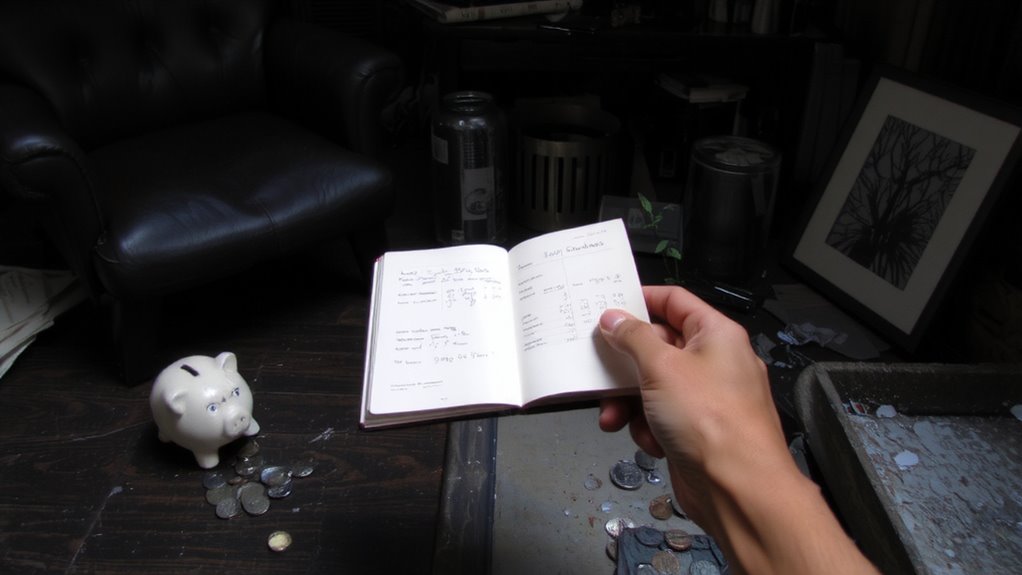
Where do you stand if the market drops 30% tomorrow? You need to assess your financial weaknesses now. Start by checking if you have three to six months’ worth of expenses in liquid emergency funds. Without it, a single income disruption could force high-interest borrowing. Next, review all outstanding debts. High balances increase risk during downturns when income may shrink. Prioritize debt reduction, especially on revolving credit like credit cards, where rates exceed 20%. Paying down debt frees up cash flow and reduces financial strain when crises hit. Don’t assume refinancing will save you-rates may rise or credit dry up. Measure your progress monthly: track emergency fund growth and debt balances. Trade short-term comfort for long-term stability. If your emergency funds are thin and debt is high, your financial foundation is weak. Fix it now, before conditions worsen.
Build Recession-Proof Income Fast
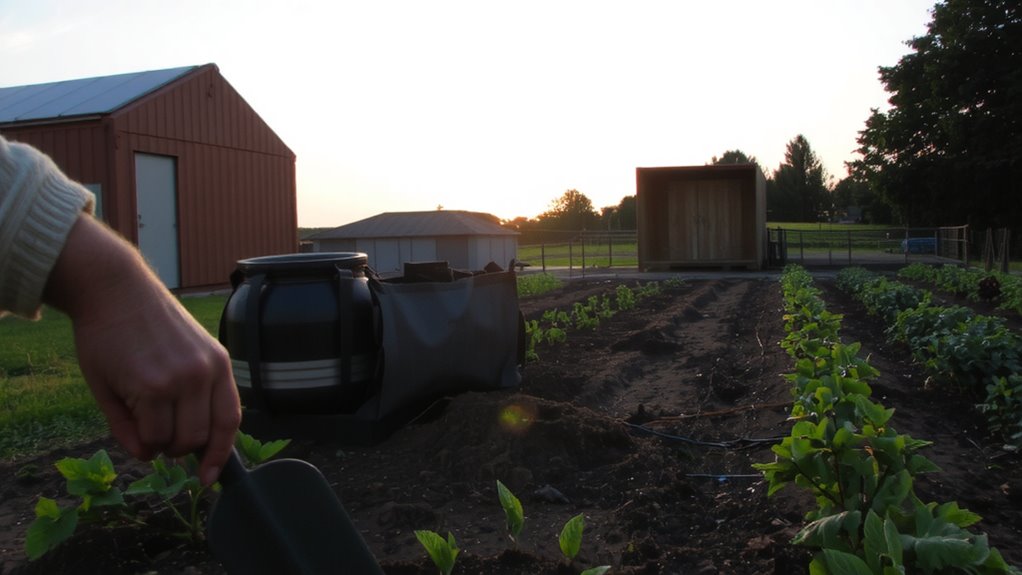
If you’re relying on a single paycheck to cover all your expenses, you’re one layoff away from financial disaster-so diversifying your income streams isn’t optional, it’s essential. Start with side hustles that require low upfront costs but offer quick returns-freelance writing, ride-sharing, or online tutoring can generate extra cash within weeks. Pair these with scalable passive income sources like dividend-paying ETFs, rental income from a spare room, or digital products sold through automated platforms. Passive income won’t replace your salary overnight, but it compounds over time with minimal ongoing effort. Side hustles give immediate cash flow; passive income builds stability. The combination strengthens your financial resilience. Prioritize options that align with your skills and time availability. Not all income streams are equal-test a few, track earnings, then double down on what works. Diversification reduces risk faster than cutting expenses alone.
Cut Spending Like a Crash Is Coming
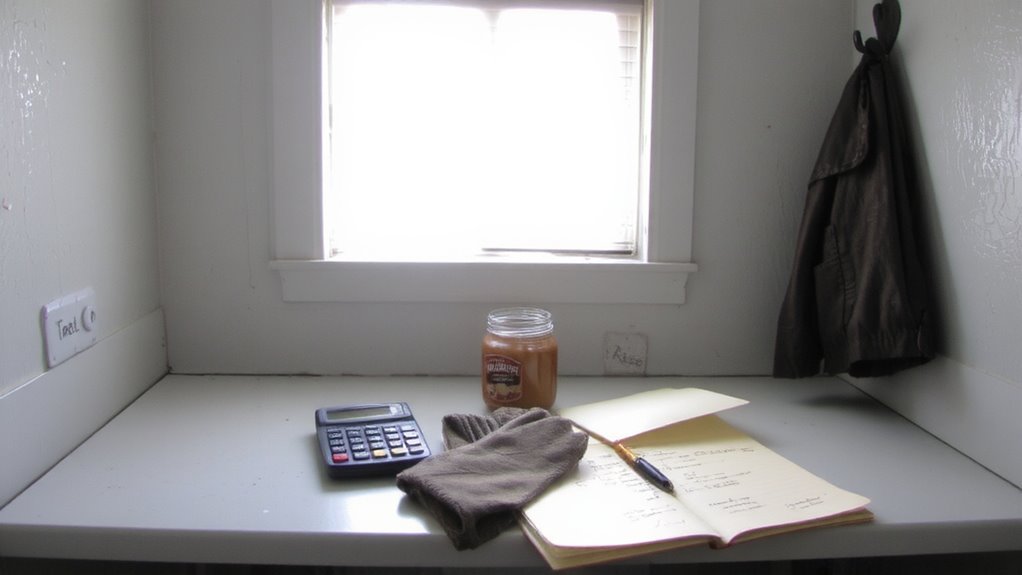
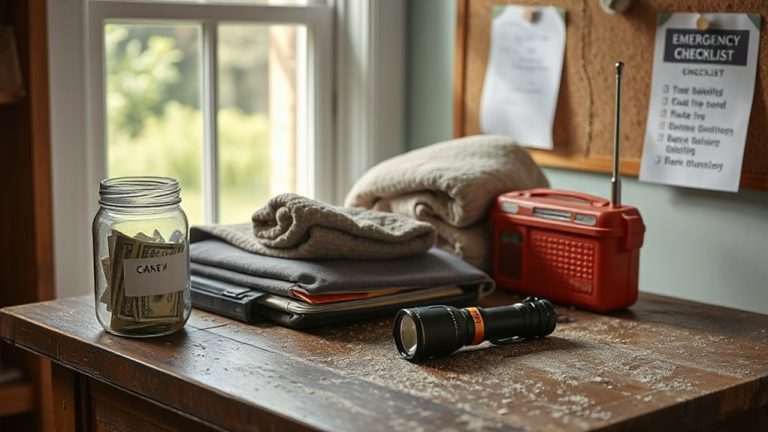
A budget isn’t a luxury when the economy’s teetering-it’s a survival tool. You need to cut spending now, not later. Start by eliminating non-essentials: subscriptions, dining out, impulse buys. Redirect that money toward emergency rations and shelter prep. Buy bulk dry goods with long shelf lives-rice, beans, oats-instead of prepackaged survival kits marked up 300%. Test them: cook a batch monthly to verify usability. Replace high-cost utilities where possible: use heat-reflective wall panels instead of cranking the thermostat. Duct tape and plastic sheeting cost under $20 and improve insulation fast. Prioritize items with dual uses: a wood stove heats and cooks. Every dollar saved strengthens your buffer. Emergency rations aren’t just food-they’re calorie-dense, low-prep options like peanut butter, canned meat, and energy bars. Shelter prep means sealing drafts, securing windows, and having backup lighting that works without grid power. You won’t regret the cuts when crisis hits. Consider reviewing top emergency food kits to compare nutritional value, shelf life, and cost-effectiveness before making bulk purchases.
Store Value in Real Assets
You’ve trimmed expenses and built a lean budget-now it’s time to protect what you’ve saved by putting it into assets that hold value when paper money falters. Real assets don’t depend on market sentiment or digital records. Gold holdings have preserved wealth for centuries; they’re portable, universally recognized, and immune to banking failures. One ounce of gold buys roughly the same amount of goods today as it did 100 years ago. Property investments offer stability and utility-land can grow food, host shelter, or generate income. Unlike cash, real estate isn’t devalued by inflation. But property isn’t liquid; selling takes time and effort. Gold is easier to trade but produces no income. Both require secure storage. Diversify between the two to balance liquidity and long-term resilience. Don’t wait-once crisis hits, prices and access shift fast.
Start a Barter Network in Your Community
When trust in currency weakens, direct exchange of goods and services becomes a reliable alternative, and that’s where a local barter network matters. You can start one by identifying neighbors with useful trade skills-like carpentry, sewing, or medical knowledge-and matching them with those who need those services. Barter eliminates the need for cash but relies on mutual agreement and fair value, so clear communication is essential. Building local trust takes time but strengthens community resilience. Document exchanges simply: date, service or item traded, and estimated value in hours or equivalents. Avoid inflated claims; stick to what’s verifiable. A barter network won’t replace income, but it sustains access to necessities. It works best when rules are transparent and participants consistently follow through. Your reliability determines its success. Over time, the network becomes a functional backup economy based on real contribution and shared need.
Learn Skills That Keep You Paid
Survival hinges on adaptability-so sharpen skills that hold value no matter the economy. You can earn steadily if you focus on abilities people need, even during downturns. Freelance coding is a strong option-it’s remote, scalable, and in demand for maintaining websites, automating tasks, or building tools. With just a laptop and internet, you can offer services globally. Online tutoring also works-knowledge in math, language, or test prep can generate income across time zones. Both paths require minimal upfront cost and offer pay within weeks of starting. Yes, competition exists, but reliability and consistency beat most rivals. Choose platforms with low fees and high traffic to maximize return. These skills won’t shield you from hardship, but they improve your odds of staying paid when traditional jobs vanish. Practice daily. Build a portfolio. Start small, scale when possible.
Plan Your Comeback Before the Recovery
Even if the economy’s rebound seems distant, starting your comeback now means you’ll be ready when opportunities emerge. You don’t need perfect conditions-just a clear plan. Update your résumé, refine your skills, and focus on personal branding so employers or clients recognize your value fast. A strong online presence, like a targeted LinkedIn profile, acts as a measurable advantage in job searches. Pair this with emergency planning: set aside small cash reserves, even $5 weekly, to cover unforeseen costs during shifts. This isn’t about optimism-it’s about positioning. People with defined skills and visible branding get hired faster in recovering markets. Waiting until the recovery starts leaves you behind. Act now, stay lean, and prioritize steps that generate tangible outcomes. Your comeback isn’t luck. It’s the result of preparation, consistency, and practical actions taken before the tide turns.
On a final note
You can’t control the economy, but you can control your preparedness. Start now: trim expenses, build real skills, and secure assets that hold value. Diversify income with recession-resilient work and barter ties. Test each step-does it reduce dependency? Does it last when systems fail? Practical moves today limit damage tomorrow. Plan, act, adapt-your comeback starts before the crisis does.