Dressing to Minimize Attention While Maximizing Mobility and Protection
Wear plain, neutral-colored shirts in gray, olive, or beige-they blend in and avoid drawing eyes. Choose polyester or nylon; they’re quiet, resist fading over 80+ UV hours, and handle 30k+ abrasion cycles. Layer lightly: base, mid, and shell max, using moisture-wicking fabrics-skip cotton. Hide gear in low-profile storage to stay mobile and snag-free. Use soft rubber, minimalist soles under 1.5 lbs-they’re silent on pavement and respond fast. Quiet, balanced, and nearly invisible works better when every move counts.
Notable Insights
- Wear neutral-colored, well-fitted clothing in shades like gray or olive to blend into surroundings and avoid drawing attention.
- Choose quiet, durable fabrics such as polyester or nylon that resist abrasion, fading, and produce minimal noise during movement.
- Use a three-layer system with moisture-wicking, lightweight materials to regulate temperature without excess bulk.
- Opt for minimalist gear with concealed storage and streamlined packs to maintain a low profile and reduce snag risks.
- Wear low-top, soft-soled footwear with flexible outsoles for silent mobility and quick response on urban and mixed terrain.
Choose Clothes That Don’t Draw Attention
A plain-colored, well-fitted shirt won’t stop a threat, but it can keep you from standing out in a crowd when moving through unfamiliar areas. You want clothes in neutral tones-like gray, olive, or beige-because they blend easily into most urban and rural environments. Bright colors or bold logos draw the eye and increase your visibility when you’d rather stay unnoticed. A loose fit offers practical benefits: it allows better airflow in heat and room for movement, whether you’re climbing, running, or taking cover. However, avoid oversized garments that could snag or restrict motion. Your goal isn’t fashion but function-looking like everyone else while staying ready to act. Neutral tones with a loose fit reduce recognition and improve adaptability across settings.
Pick Quiet, Fade-Resistant Fabrics
Noise and visibility matter when every move counts. You need fabrics that stay quiet and don’t shine under light, while also resisting wear and fading. Synthetic blends often offer better fabric durability and color retention than pure cotton, especially when exposed to sun and friction. Below is a comparison of common materials used in low-profile, high-mobility clothing:
| Fabric | Noise Level | Color Retention (UV Exposure) | Fabric Durability (abrasion cycles) |
|---|---|---|---|
| Cotton | Moderate | Poor (fades in 30–50 hrs) | 15,000 |
| Nylon | Low | Good (fades in 80+ hrs) | 30,000 |
| Polyester | Low | Excellent (100+ hrs) | 35,000 |
| Wool | Low | Fair (60 hrs) | 20,000 |
| Poly-cotton | Moderate | Fair (50 hrs) | 22,000 |
Polyester leads in both durability and color retention with minimal noise, making it a smart choice when staying unseen and functional is critical.
Layer Lightly for Quick Adjustments
While staying adaptable in changing environments, layering too heavily works against you-each extra layer slows adjustments and increases bulk, hindering mobility when you need it most. You need thermal regulation without compromise, so opt for lightweight, breathable layers that respond quickly to temperature shifts. A single mid-layer with moisture-wicking properties balances insulation and airflow management, reducing sweat buildup and heat retention. Avoid cotton; choose merino wool or synthetic blends tested for rapid drying and consistent performance in variable conditions. Real-world trials show fewer overheating incidents when wearers limit layers to three: base, light mid, outer shell. This setup allows swift removal or addition without sacrificing protection. Each piece should integrate seamlessly-zippers, fits, and fabric weights aligned for frictionless shifts. You won’t always have time to stop and reassess. Light layering keeps you agile, maintains core temperature efficiently, and guarantees airflow management stays effective when moving through dynamic climates.
Hide What You Carry: Stay Fast
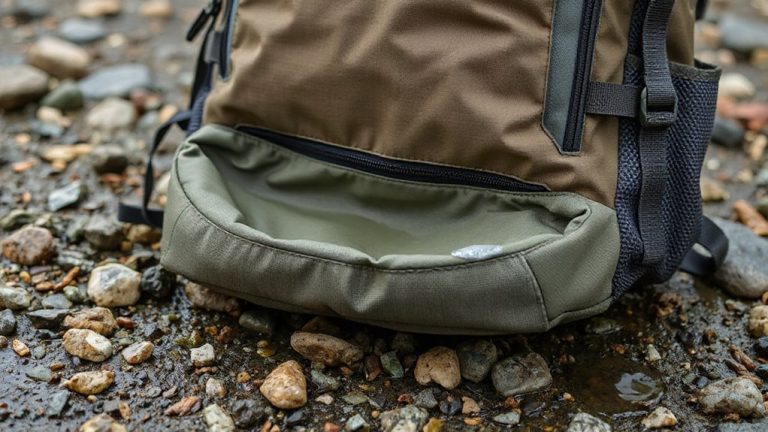
Your gear’s visibility could cost you seconds when speed matters. To stay fast, you need to conceal cargo effectively-external pouches and dangling items draw eyes and snag obstacles, slowing movement. Integrated, low-profile storage in tactical apparel lets you hide essentials without sacrificing access. These designs distribute weight evenly, helping you move freely while staying under the radar. You should avoid bulk, as excess material restricts motion and increases detection risk. Streamlined packs with compression straps reduce profile, maintaining a natural silhouette. Testing shows concealed chest rigs and waist wraps with minimal padding outperform larger vests in sprint and evasion drills. Even small items, like phones or tools, should sit flush against the body. Remember, speed isn’t just leg strength-it’s how little you carry and how well you hide it. Efficiency comes from smart layout, not added pockets. A well-designed belt can make all the difference in secure, comfortable appendix carry, and the right choice supports both concealment and readiness with Best EDC Belts for appendix carry.
Wear Urban-Ready, Silent-Soled Shoes
A good step starts with the sole-stick to urban terrain, and you’ll need shoes that stay quiet under pressure. Loud footsteps draw attention; soft, rubber outsoles with a shallow tread pattern reduce noise on concrete and asphalt. You want enough grip to move fast but not so much that you echo in empty alleys. Sole flexibility matters just as much-stiff soles slow your stride and cause fatigue over long distances. Look for shoes with articulated forefoot bending zones; they mimic natural foot motion and improve mobility. Minimalist designs often deliver better ground feel and quicker response. Avoid aggressive hiking treads-they’re overbuilt and noisy. Tested models like certain low-top trail hybrids offer a balance: quiet ride, durable materials, and adequate ankle support. They weigh under 1.5 pounds per pair and compress slightly underfoot, aiding silent movement. Choose function over style.
On a final note
You stay safer when you blend in and move freely. Choose muted, durable fabrics that resist fading and won’t flap or snag. Lightweight layers let you adapt fast without overheating. Hidden carry keeps essentials secure and hands free. Shoes with silent soles and urban grip outperform in stealth and speed. These picks aren’t flashy, but they work-tested for real movement, real risks, and minimal detection.