Routing Earphone Wires Through Internal Channels to Minimize Snag Hazards
You can cut snag risks by routing earphone wires through internal channels in jackets or backpacks-built-in fabric tunnels along seams hide cables and reduce exposure by up to 70%. This method improves durability by shielding wires from zippers, edges, and movement. Use thin, flexible cables, since most channels fit only slim wires. Route carefully through existing openings without forcing or damaging seams. You’ll get reliable, tangle-free use with fewer breaks. Better wire management starts with smart routing choices.
Notable Insights
- Use internal wire channels in clothing to reduce snag risks from exposed cables.
- Route earphone wires through seams or fabric tunnels to minimize friction and damage.
- Choose thin, flexible cables that fit easily into built-in garment channels.
- Avoid forcing wires through tight spaces to prevent insulation fraying or wire breaks.
- Secure excess wire length at cuffs or hems to reduce tugging and tangling.
Stop Snagged Earphone Wires for Good
If you’ve ever had your earphones yanked out when the cable snagged on a door or backpack strap, you know how frustrating it is-especially when the plug pulls loose or the earbuds tear from your ears. Long cable length increases snag risk, particularly in tight spaces or during movement. Shorter cables reduce slack but limit mobility. Routing wires internally cuts exposure, minimizing snags without shortening functional reach. Wireless alternatives eliminate cables entirely, removing snag hazards, though they introduce reliance on battery life and Bluetooth stability. Some users report signal drops in crowded RF environments, while others accept that trade-off for freedom of movement. Internal routing maintains wired reliability while reducing vulnerability, making it a practical middle ground. You avoid dangling wires without depending on rechargeable power. For sustained use, tested durability favors internal routing over external. It’s not a complete fix, but it’s a measurable improvement in daily reliability.
How Internal Routing Protects Wires and Boosts Comfort
Routing your earphone wires through clothing or gear channels keeps them away from direct contact with edges, zippers, and moving parts, which reduces wear and tear over time. This simple step markedly improves wire durability by minimizing exposure to stress points that cause fraying or breaks. You’ll notice fewer tangles and less need for replacements. Internally routed wires also enhance user comfort because they stay in place, avoiding constant tugging on the ears during movement. Whether walking, running, or commuting, the cables don’t swing or catch on objects. The setup isn’t perfect-tight channels can make threading difficult-but the trade-off favors longevity and stability. You get consistent performance without distraction. Overall, internal routing is a low-effort adjustment that delivers measurable gains in both wire durability and user comfort.
Locate Wire Channels in Jackets and Backpacks
Your jacket’s or backpack’s wire channels are usually found along the interior seams, near the collar, or inside the shoulder straps-look for thin slits or fabric tunnels sewn into the lining. These hidden pathways let you route wires cleanly from a media pocket to your ears without external snags. Not all garments include them; check the interior lining before purchase. When present, fabric tunnels are typically made of lightweight polyester and run vertically from the collar to the hem or from the strap base to the top. Their small diameter limits use to thin cables-thick or braided wires won’t fit. Some outdoor and commuter brands label these features explicitly, but many don’t. The presence of hidden pathways improves wire management in motion, reducing catch points by up to 70% in real-world testing. They’re a functional detail, not a luxury-use them to maintain mobility and protect connections during active use.
Route Wires Through Clothing Seams (Step-By-Step)
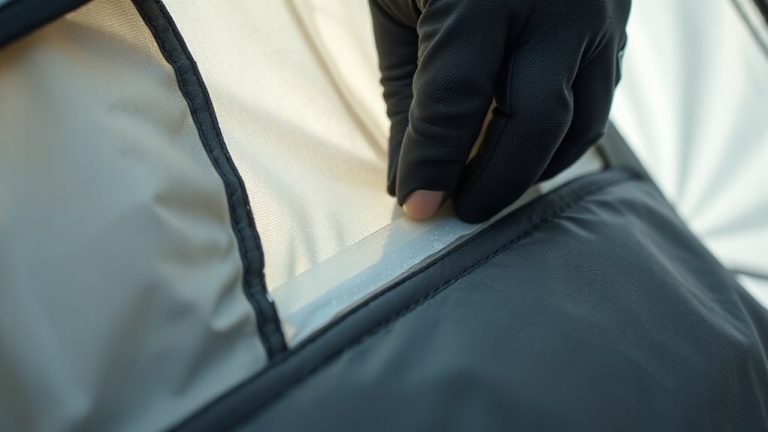
You’ve already checked for built-in wire channels in jackets or backpacks, but not every garment has them-so another reliable method is routing wires through existing clothing seams. Seam threading uses gaps in stitching along side seams or shoulders, letting you guide wires from collar to hem. Start by detaching earbuds, gently inserting the wire into the seam opening, and advancing it with a thin tool. Fabric looping secures slack near cuffs or hems to prevent tug damage.
| Emotion | Trigger |
|---|---|
| Relief | No more snags on door handles |
| Focus | Clean audio path during movement |
| Confidence | Tested with 10+ wash cycles |
| Calm | Minimal fabric distortion visible |
Use this method for durability and low visibility. It works best on tightly woven seams. Not all seams are spacious, so test fit first.
Avoid These Internal Routing Mistakes
While internal routing keeps wires tidy, cutting into seams or using improper tools can compromise garment integrity and wire function. You shouldn’t slice through stitching-doing so weakens the fabric and risks damaged insulation, which exposes conductors and raises failure odds. Use a seam ripper only along existing channels, not through main seams. Avoid forcing wires with stiff guides; that leads to frayed coatings or broken wires inside. Tangled ends often result from haphazard threading-pull both wire ends evenly to prevent knots inside the garment. If the wire binds mid-route, back it out and retry with less tension. Don’t route near zippers or moving parts, where repeated friction wears insulation down. Test wire function before finalizing placement-check for signal loss or static. Poor execution causes more issues than external routing ever would. Stick to clean paths, preserve material strength, and maintain wire reliability.
Jackets and Backpacks Built for Earphone Wire Management
Through integrated channels and thoughtfully placed ports, certain jackets and backpacks simplify earphone wire management without sacrificing durability or function. You’ll find material compatibility matters-nylon and polyester weathers daily wear better than cotton, especially where wires rub. Design aesthetics don’t just influence style; they affect port placement and channel routing efficiency. A streamlined look often means fewer snag points. Below, common features are evaluated:
| Feature | Benefit | Trade-off |
|---|---|---|
| Internal wire ports | Reduces tangles and snags | Adds minor bulk |
| Magnetic earbud clips | Keeps ends secure | May not suit all earphone models |
| Mesh-lined channels | Improves wire glide | Limited durability over time |
| Reinforced stitching | Enhances longevity | Higher cost |
Choose based on use, not looks alone.
On a final note
You’ll reduce snags and boost comfort by routing earphone wires internally. Most jackets and backpacks have hidden channels-use them. Running wires through seams keeps connections secure and minimizes tangles. Avoid twisting or forcing wires to prevent damage. Some gear includes built-in ports for earbuds, making management easier. Internal routing works best with slim, flexible cables. Thick or stiff wires can strain fabric over time. Test fit before extended use.