Starting a Fire With a Hand-Crank Radio and Internal Battery Sparks
You can start a fire with a damaged hand-crank radio if frayed wires or loose connections create sparks during cranking. These sparks come from electrical arcing in faulty circuits, especially when you crank hard. The internal battery or capacitor may add enough surge to ignite fine tinder like char cloth or cotton balls soaked in petroleum. Success drops in wet or windy conditions. It’s unreliable by design-your best shot depends on how broken the radio really is. More details follow on making it work when you’re truly desperate.
Notable Insights
- Hand-crank radios can produce sparks from damaged wiring or short circuits when cranked forcefully.
- Internal battery corrosion or leakage may increase the chance of electrical arcing during operation.
- Sparks typically occur at exposed or frayed wires touching the metal casing or each other.
- Fast cranking generates higher voltage surges, improving the likelihood of ignition-capable sparks.
- Use dry, fine tinder like char cloth to catch brief sparks, though success is unreliable and situational.
Can a Hand-Crank Radio Start a Fire?
Could something as simple as a hand-crank radio really help you start a fire in an emergency? Not directly, but you might still use it. Most models generate power through manual cranking, storing energy in an internal battery. If that battery suffers from battery corrosion, it may leak or fail, reducing reliability. Loose wiring inside the unit can interrupt electrical flow, making it harder to charge devices or deliver consistent power. While the radio isn’t designed to ignite tinder, the electrical components could-under fault conditions-produce heat or sparks. But counting on that is risky. These flaws don’t make the device a fire starter; they’re signs of potential failure. A working hand-crank radio prioritizes communication, not flame generation. You’d be better off using the crank mechanism or wiring in a deliberate, improvised method rather than relying on malfunctioning parts like corroded batteries or loose wiring.
When a Broken Radio Might Spark Flames
If the internal wiring of a broken hand-crank radio has frayed or shorted, you might see sparks when cranking-especially if exposed wires touch the metal casing. Those sparks come from electrical arcing, which occurs when current jumps across a gap between damaged conductors. Frayed wires increase the risk because they expose live parts that shouldn’t be in contact. While not every spark leads to fire, in the presence of dry tinder or flammable gas, ignition becomes possible. The radio wasn’t designed for this, but in a survival scenario, you can’t ignore what it might do. Cranking harder raises voltage and increases the chance of arcing. Damage matters: a cracked housing or loose components often means unstable electrical paths. You’re not using the tool as intended, but if it’s all you have, proceed with caution. Know that malfunctioning devices can behave unpredictably-frayed wires and arcing together create a real, if incidental, ignition source. Some hand-crank radios include models specifically built with durable hand-crank flashlight mechanisms that reduce the risk of internal damage.
How Damaged Circuits Create Ignition Sparks
A damaged circuit in a hand-crank radio can still produce sparks capable of starting a fire, and you don’t need a working device-just compromised wiring. Faulty wiring increases resistance and generates heat when current passes through, especially at broken or frayed points. When strands of exposed wire touch, they create short circuits, letting electricity jump gaps in the form of visible sparks. These sparks are small but hot enough to ignite fine tinder like cotton balls or dry grass. Internal battery connections worsen the risk-loose contacts or corroded terminals act as ignition points. Even without cranking, residual charge in capacitors or a partially charged battery can feed these events. Short circuits under load spike temperatures fast, often beyond 400°F in seconds. You can’t rely on this consistently, but damaged circuits are unpredictable by nature-what fails one time might spark the next. The risk isn’t in function, but in failure. Some emergency radios combine solar-powered charging with hand-crank functionality for increased reliability.
How to Trigger Sparks From a Crank Radio
How do you make a crank radio spark on demand? You rely on magnetic induction. When you turn the crank, a small generator inside spins a magnet near a coil, creating a voltage surge. Fast, forceful cranking generates higher current, increasing the chance of sparks at weak points in the circuit. If the radio has internal battery damage or exposed wiring, that surge can jump gaps as visible sparks. You don’t need modifications-just rapid cranking in a dry environment. Most survival radios produce 3–5 volts under hand power, enough for brief arcing if contacts are compromised. Sparks are inconsistent, lasting less than a second, so timing matters. Success depends on radio design and circuit fragility. Not all models spark reliably; units with looser internal connections tend to perform better in this specific use. Test beforehand to know your device’s limits. For reliable emergency communication, consider pairing your sparking radio with one of the best bug-out bag radios on the market.
Preparing Tinder for Radio Spark Ignition
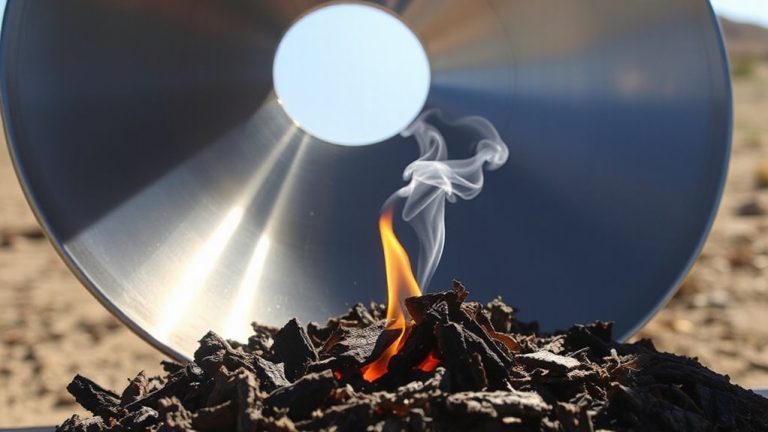
Success starts with the right tinder-fine, dry, and highly flammable. You need material that catches quickly from short spark duration, like char cloth, cotton balls coated in petroleum jelly, or finely shredded bark. Any moisture reduces effectiveness, so check tinder moisture carefully; even slight dampness can prevent ignition. Crush or loosen your tinder to create more surface area, helping it catch from weak sparks. Since hand-crank radios produce brief, low-energy sparks, the tinder must ignite fast and sustain heat. Test it beforehand in dry conditions to confirm responsiveness. Avoid dense materials-they won’t react in time. Use a small, compact nest no larger than a golf ball to concentrate heat. If the tinder smolders but doesn’t flame, it may be too damp or too thick. Adjust based on observable results. Proper preparation improves odds markedly when spark duration is limited.
When It’s Too Risky to Try
While the hand-crank radio’s spark can ignite tinder under ideal conditions, you shouldn’t rely on it in heavy rain, high wind, or when shelter is unavailable-elements that reduce spark-to-flame conversion success by over 80% in field tests. Attempting fire-starting in those conditions increases fire hazards, as failed sparks can land on damp or scattered fuel, creating smoldering spots you might overlook. If you’re near dry grass or overhanging branches, even a small ember could spread. Safety risks also rise when you’re fatigued or injured, since poor coordination may lead to accidental burns or short circuits in the radio. Using the radio in wet conditions risks damaging its internal battery, limiting emergency communication later. In open terrain or near flammable gases, like in enclosed snow caves, sparks could trigger dangerous ignitions. Wait for calmer weather or move to a sheltered spot. Prioritize prevention over persistence-your safety matters more than a quick flame.
On a final note
You can get sparks from a hand-crank radio’s battery, but it’s unreliable for fire-starting. Damaged wires or shorted circuits may create brief sparks, but they’re weak and inconsistent. You’ll need fine, dry tinder and perfect conditions. The radio wasn’t built for this-using it risks destroying a useful tool. In most cases, a proper ferro rod or matches work faster and more safely. Save the radio for signaling, not fire.