Volcanic Gas Safety: MSA Altair 5X Detector & Evacuation Tips
When evaluating scene safety in a remote volcanic gases, check for dead vegetation or cracks-signs of high CO₂ or H₂S in low-lying zones. These invisible, odorless gases can displace oxygen and impair breathing even without warning. Use a calibrated MSA Altair 5X detector to monitor levels, as it maintains ±5% accuracy in harsh conditions. Always stay upwind, especially where vents or steaming fissures are present. If animals act strangely or alarms sound, leave immediately-your next move could depend on what you overlook now.
Notable Insights
- Identify gas release points like cracks, fumaroles, and crater rims to avoid high-concentration zones.
- Use calibrated multi-gas detectors to monitor invisible threats such as CO₂, H₂S, and SO₂ continuously.
- Always position yourself upwind and avoid low-lying areas where dense gases accumulate.
- Watch for natural warnings including dead animals, fleeing birds, or sudden ground steaming.
- Evacuate immediately if wind shifts, detectors alarm, or geological activity like tremors increases.
Identify High-Risk Volcanic Gas Zones
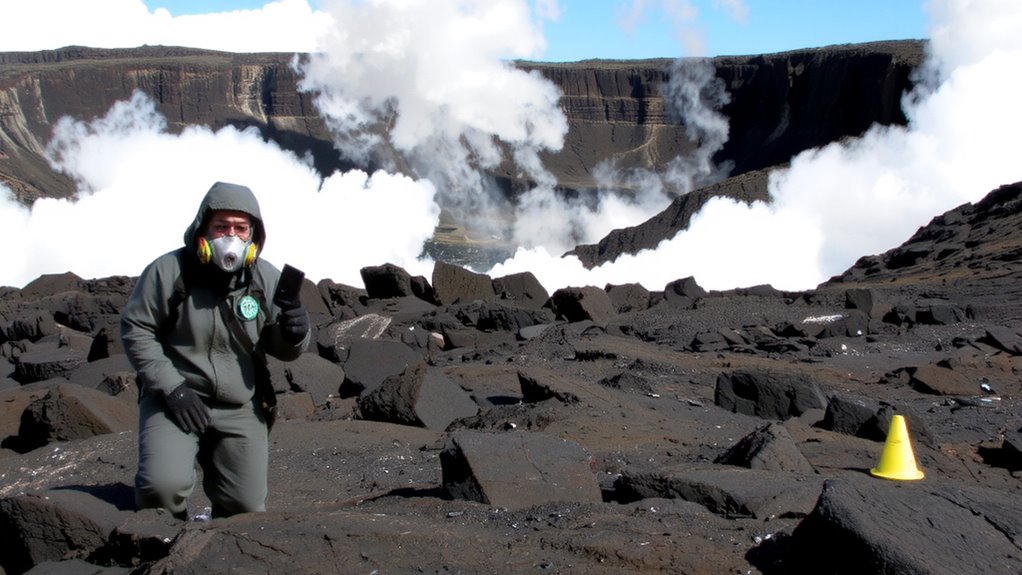
Where could you encounter deadly gases near a volcano? You’ll most often find them around volcanic vents, where toxic fumes rise directly from the earth. These zones have the highest gas concentration, making them extremely hazardous. Breathing in these areas can overwhelm your body quickly, especially in low-lying or enclosed spaces where gases accumulate. You should avoid cracks in the ground, steaming fissures, and crater rims-common spots for gas release. Wind direction matters too; downwind areas may still carry dangerous levels. Gas concentration drops with distance, but even moderate exposure over time poses risks. Don’t rely on smell alone-some gases are detectable only with instruments. Staying upwind and uphill from volcanic vents gives you a practical safety margin. Always use a gas detector to confirm exposure levels before proceeding.
Recognize the Dangers of Invisible Gases
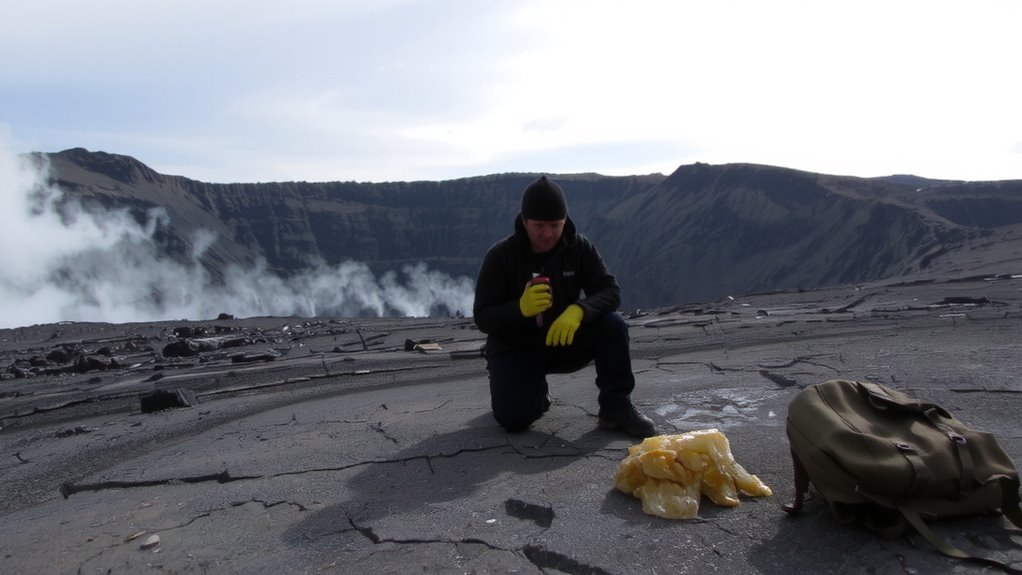
How many times have you assumed clear air means safe air? In volcanic areas, that assumption puts you at risk. Invisible gases like carbon dioxide and hydrogen sulfide are odorless and colorless, making them undetectable without equipment. You can’t see them, but they deliver toxic exposure just as effectively as visible hazards. Silent inhalation occurs when you breathe these gases unknowingly, especially in low-lying or poorly ventilated zones. CO₂, heavier than air, accumulates in depressions and can displace oxygen, leading to dizziness or unconsciousness. Hydrogen sulfide, even at low concentrations, affects respiration over time. Symptoms may not appear immediately, delaying recognition of danger. Your safety depends on acknowledging that invisible doesn’t mean harmless. Relying on sight alone is inadequate. These gases threaten your health without warning signs, making awareness and preparation essential. Assume risk exists even when the air looks clean.
Use Detectors to Monitor Volcanic Gas Levels
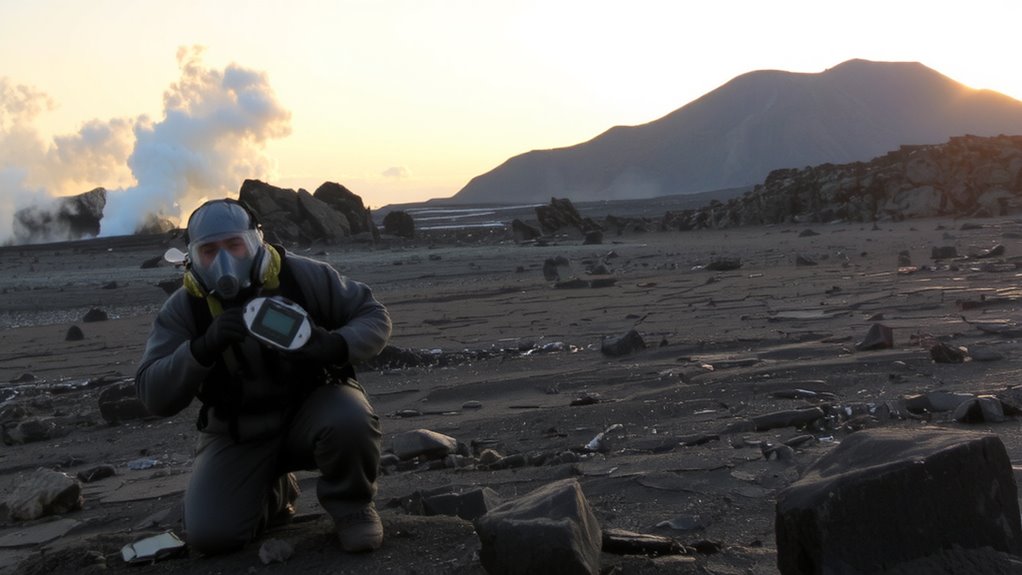
Though you can’t see volcanic gases, a reliable detector gives you real-time data to stay safe. Effective gas detection is essential in volcanic environments where conditions change rapidly. You need devices that measure sulfur dioxide, carbon dioxide, and hydrogen sulfide accurately. Units with electrochemical sensors perform well in extreme temperatures but require regular sensor calibration to remain reliable. Without proper calibration, readings drift, risking false safety assumptions. Carry a detector with a data-logging feature so you can track exposure over time. Field tests show models like the MSA Altair 5X hold accuracy within ±5% under high humidity. Battery life averages 18 hours, enough for most missions. Some units fail after prolonged exposure to ash, so choose ruggedized models. Always bring spare sensors and calibrate before each deployment. Gas detection isn’t optional-it’s survival.
Let Wind Direction Keep You Safe
Why ignore a force you can’t see but that shapes your survival? Wind direction directly affects your exposure to volcanic gases. You can’t control wind patterns, but you can use them. Position yourself upwind of gas sources-this simple move cuts risk. Volcanic gases disperse quickly when wind is strong and steady, but they accumulate in low areas or downwind zones. Monitoring wind direction helps predict gas dispersion, giving you an edge. If the wind shifts, so should you. Portable wind meters help, but a damp finger or grass blade works in a pinch. Avoid valleys and depressions where gases pool, even if the wind seems light. Remember: consistent wind flow reduces inhalation danger; erratic patterns increase it. Your safety hinges on respecting these shifts. Stay alert, stay upwind, and let wind direction do the work for you. For respiratory protection, always wear a properly rated mask such as an N95 respirator.
Watch for Natural Warning Signs of Gas
You’ve already used the wind to your advantage, staying up wind to reduce exposure to invisible gases. Now, watch for natural warning signs. Unusual animal behavior is a reliable indicator-birds fleeing, insects absent, or mammals acting disoriented mean gas levels are unsafe. These responses occur before humans detect anything, giving you critical early notice. Also, check for ground cracks. They often release concentrated gas plumes and signal unstable terrain. Don’t assume small cracks are harmless; even narrow fissures can emit lethal concentrations of CO₂ or H₂S. Combine these clues: if you see both altered animal behavior and visible ground cracks, leave immediately. These signs don’t lie. They reflect real, measurable hazards backed by field studies near active volcanic zones. Trust them over instruments alone, since natural cues work even when gear fails. Observing them costs nothing but increases survival odds markedly.
Prepare Gear and Permits Before Entry
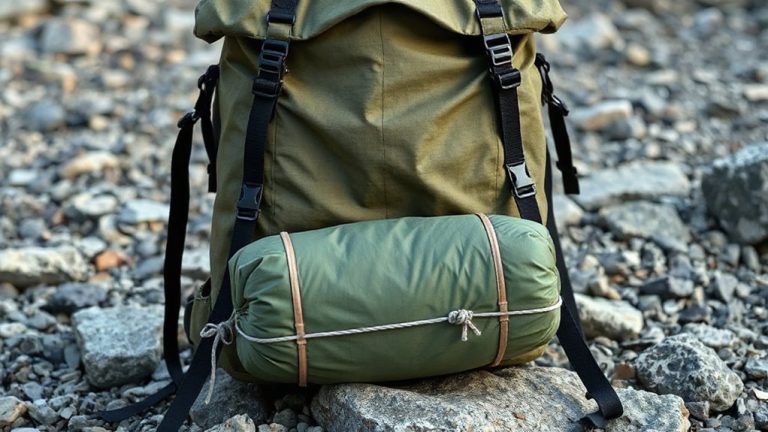
Before heading into a volcanic area, make sure your gear includes a properly calibrated gas detector with real-time CO₂ and H₂S sensors, since handheld models like the Industrial Scientific MX6 cost around $800 but detect lethal concentrations down to 1 ppm, giving you field-proven early warning. You’ll also need respirators rated for acid gases, heat-resistant gloves, and full-face masks if gas sampling requires close proximity. Carry extra batteries and calibration kits-units fail often in high heat and humidity. Don’t skip safety training; certified courses from OSHA or NIOSH cover proper equipment use and emergency response in gas-rich environments. Permits are mandatory and often require proof of training, equipment lists, and planned sampling methods. Agencies review your protocol for gas sampling to guarantee environmental and personal risk is minimized. Without permits, access is denied, and fines apply. Preparation reduces risk-there’s no room for improvisation in toxic zones.
Know When to Evacuate Immediately
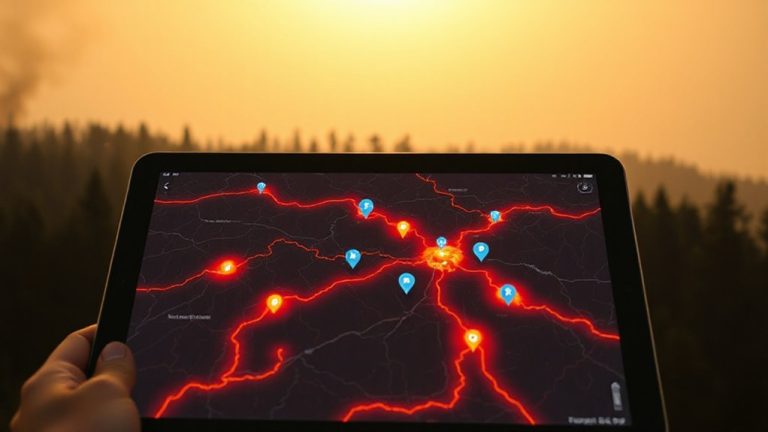
If the gas detector alarms or you notice sudden changes in air quality, get out immediately-these are the first reliable signs of rising hazard, and delaying increases your risk of exposure to lethal concentrations. You should also leave if you feel volcanic tremors; even mild shaking can signal magma movement and potential eruption. Ground swelling is another clear warning-bulging terrain means pressure is building beneath the surface and could lead to explosive activity. Don’t wait to confirm the cause. Your exit time matters more than data collection. Move quickly but stay calm. Stick to predetermined evacuation routes and avoid low-lying areas where gases pool. A reliable GPS and headlamp help if visibility drops. These tools won’t stop danger, but they improve your odds. Recognizing these signs early gives you a critical edge. When in doubt, evacuate-you can re-enter later if conditions stabilize.
On a final note
You should always check gas detectors before entering a volcanic area-they’re reliable and small enough to carry. Wind direction matters; stay upwind to avoid exposure. Natural signs like dead vegetation help confirm danger zones. Your gear must include a gas mask and permit documents. Evacuate if alarms sound or symptoms appear. No detector is perfect, but used right, it cuts risk.