Creating a Bug-Out Plan That Includes Emergency Barter Goods
You need barter goods in your bug-out plan because cash fails when systems collapse. Stock lightweight, long-lasting items like ammo, water filters, prescription meds, rare spices, soap, and fuel-they meet urgent needs and hold value. Avoid perishables, counterfeits, and common tools; they’re unreliable or worthless in crisis trades. Store supplies sealed, locked, and rotated every six months to keep them viable. Choose portable, high-demand goods that trade easily and last. Practical picks give you an edge when survival depends on exchange. Next steps reveal how to use them safely.
Notable Insights
- Prioritize high-demand barter items like ammunition, water filters, and prescription meds for maximum trade value.
- Include lightweight, long-lasting goods such as saffron, handmade soap, and Ferro rods in your bug-out bag.
- Store barter supplies in sealed, labeled containers with desiccants to protect against moisture and spoilage.
- Conceal valuable trade items in hidden compartments to reduce theft risk during displacement.
- Rotate stock every six months to ensure quality and usability of medical supplies and perishable-traded goods.
Top 6 Emergency Barter Goods to Stock Now
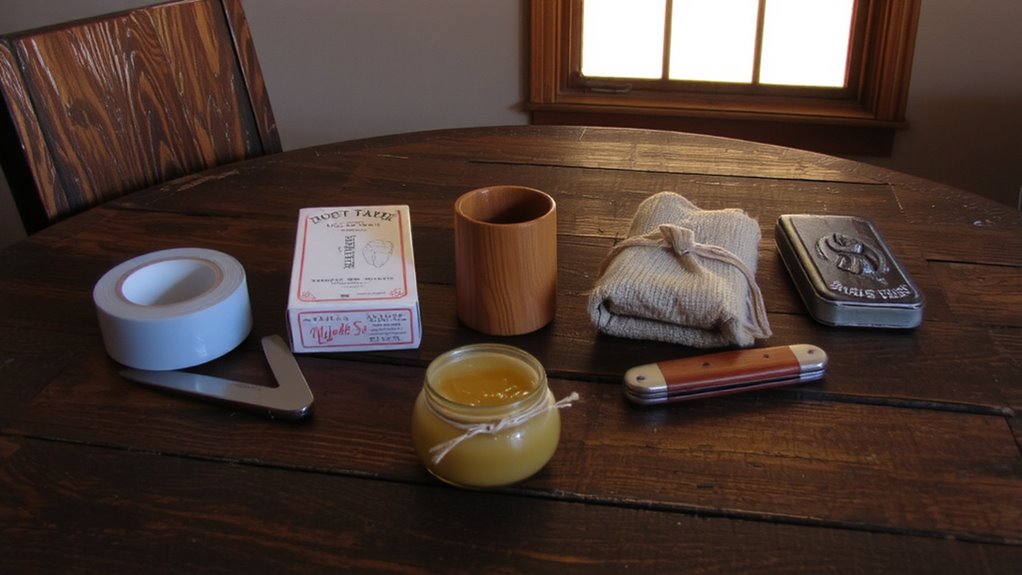
You’ll want to think carefully about what you keep on hand, because when the power’s out and stores are empty, not everything holds value. Among the most reliable barter goods are rare spices-they’re lightweight, long-lasting, and highly desired for flavor and preservation. Think saffron, vanilla, and cinnamon; a small jar can trade for far more than its weight in salt. Handmade soap is another consistent performer. Unlike commercial bars, it’s made without reliance on supply chains, resists spoilage, and supports hygiene when sanitation fails. A single bar can last weeks and trade multiple times. Ammunition, prescription meds, water filters, and fuel typically rank higher, but rare spices and handmade soap round out the top six by meeting steady demand with minimal storage cost. Stock them in sealed, labeled containers. Rotate stock every 18 months to maintain quality. These goods won’t replace essentials, but they fill critical gaps when systems fail.
Why Barter Beats Cash When the Grid Goes Down
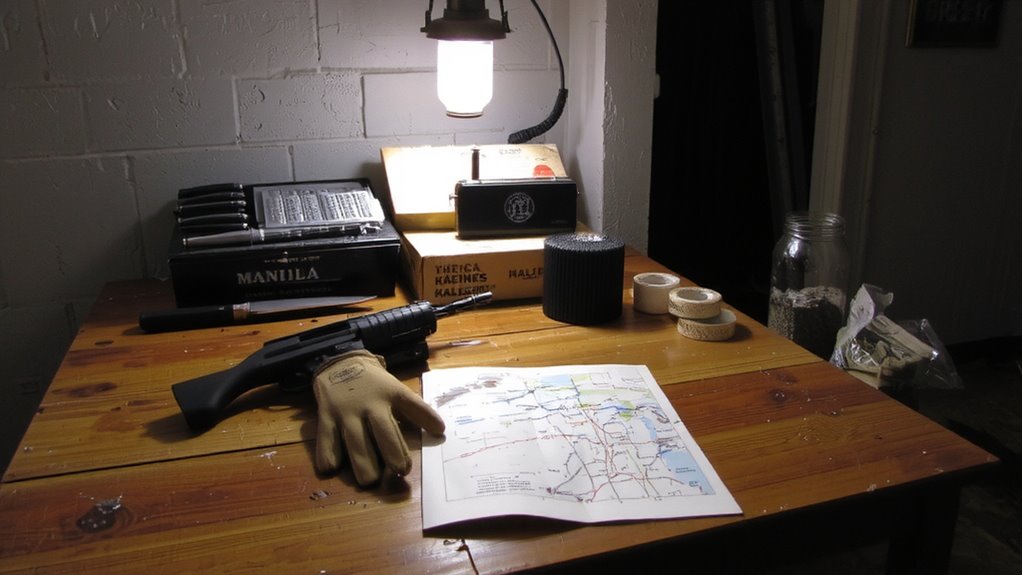
When the grid fails, cash becomes just paper and ink-no network means no verification, no banks mean no recourse. You can’t swipe, scan, or transfer. That’s when barter beats cash every time. Real value shifts to usable goods and skills. Barter networks thrive on trust and direct exchange, cutting out failed systems. Trade psychology kicks in-people value immediate needs like food, water, and fuel over abstract worth. Here’s what holds value when commerce collapses:
| Item | Demand Level | Shelf Life |
|---|---|---|
| Water filters | High | 5+ years |
| Ammunition | High | Indefinite |
| Antibiotics | Critical | 2–3 years |
| Soap | High | 3 years |
| Coffee | Medium-High | 2 years |
These goods function as currency because they’re needed, portable, and divisible. Barter networks rely on such standards. Cash? It won’t light your stove or purify water.
How to Store and Protect Your Trade Supplies
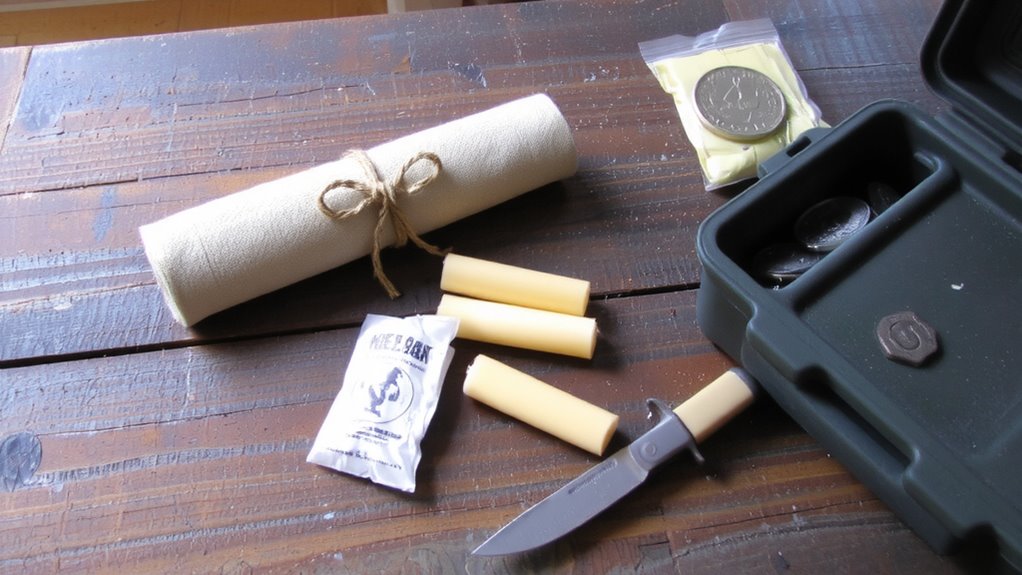
A secure, organized storage system keeps your trade supplies ready and protected from spoilage, theft, and environmental damage. You need secure storage that’s both accessible and discreet-think lockable metal containers or reinforced lockboxes placed in climate-controlled areas. Moisture, heat, and light degrade items like medicine, ammo, and hygiene products, so use sealed mylar bags with desiccants inside. Hidden compartments in furniture, false bottoms in drawers, or wall cavities help conceal high-value goods from casual discovery. Avoid obvious hiding spots that intruders check first. Rotate stock every six months to maintain quality and verify integrity. Weight, size, and noise matter when choosing containers-bulkier ones slow you down, while rattle-prone cases draw attention. Balance durability with portability. Blend practical concealment with routine maintenance so your supplies remain viable and out of sight when you need them most. Including a car emergency tool kit ensures you’re equipped for mechanical failures during rapid evacuations.
Items That Fail as Barter Goods
Mediocre barter goods fall into three categories: perishable, traceable, or overly common. Perishable goods like fresh food or medication lose value quickly and aren’t reliable long-term. Items with high counterfeit risks, such as branded electronics or fake currency, create distrust and fail in trade. Traceable goods like registered electronics can be flagged or confiscated, making them unsafe to exchange. Overly common items, including standard lighters or cheap tools, lack bargaining power because everyone has them.
| Item Type | Why It Fails | Better Alternative |
|---|---|---|
| Perishable goods | Spoil quickly | Freeze-dried food |
| Counterfeit risks | Distrusted or rejected | Silver coins |
| Traceable items | Can be tracked | Non-registered tools |
| Common trinkets | No scarcity value | Dental floss (unopened) |
| Fragile electronics | Break or need power | Manual can opener |
Pack Your Bug-Out Bag for Bartering
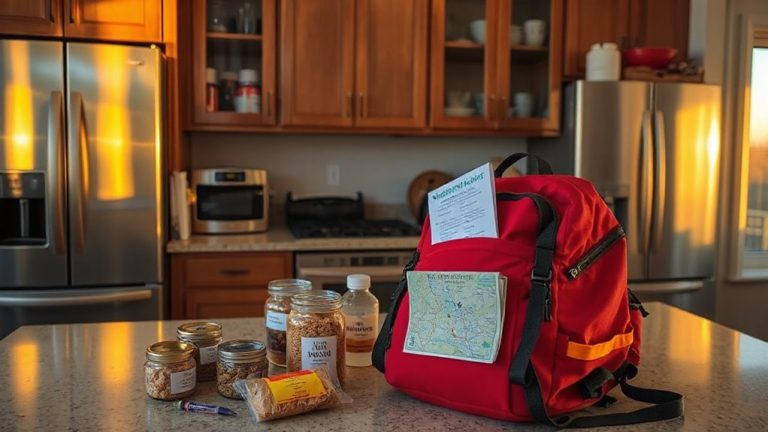
If you’re relying on a bug-out bag to get you through a crisis, stock it with items that hold steady value in trade-durability and demand matter more than quantity. Prioritize compact, long-shelf-life goods like water purification tablets, waterproof lighters, and stainless steel sewing needles. These items perform reliably and are easy to verify, reducing friction in trade psychology. Include bandages, alcohol wipes, and pain relievers-medical supplies retain value across scenarios. Ammunition must match common calibers to guarantee usability. Consider supply timing: early chaos favors staples like food and fuel, while later stages increase demand for repair tools and hygiene products. Avoid bulk; high-value, lightweight items let you carry more trade options. A small Ferro rod weighs less than an ounce but can start hundreds of fires. Every item must justify its space through proven utility, not perceived worth. Test each choice against real-world scarcity conditions.
How to Barter Safely After Collapse
Survival hinges on staying alert during trades, because even desperate people can turn dangerous when they feel cheated. You must establish mutual trust quickly, using clear communication and fair offers. Follow basic barter etiquette: never rush a deal, avoid aggressive body language, and inspect items before exchanging. Meet in neutral, open areas where both parties feel safe. Bring witnesses if possible. Your reputation matters-reneging on deals spreads fast and isolates you.
| Item | Trade Fairness Tip |
|---|---|
| Ammunition | Verify caliber and count |
| Antibiotics | Check expiration dates |
| Water filters | Demonstrate flow rate |
| Solar chargers | Test output under light |
Consistency builds reliability. Stick to usable, in-demand goods and avoid emotional trades. Clear terms prevent conflict.
On a final note
You need reliable barter goods when cash fails. Items like ammo, water filters, and antibiotics hold value because they’re functional and scarce. Avoid bulky or perishable goods-they’re poor trades. Store essentials in secure, accessible containers. Pack a separate barter kit in your bug-out bag. Trade openly but cautiously; know local needs. Bartering works best when both sides get fair value. Prep now-it could sustain you later.