Recognizing Signs of Hyperthermia in Overdressed Hikers
You might not feel hot, but if you’re overdressed, your core temperature can rise above 100.4°F, triggering confusion, slow decisions, or fumbling with gear. Flushed skin, breathlessness, and dizziness are early warnings. Even heavy sweating means you’re losing fluids and electrolytes fast. Muscle cramps aren’t just fatigue-they’re red flags. Ignoring them can lead to heat stroke within hours. Cool your neck, wrists, and head fast, and shade yourself. There’s more to managing heat risk in tough conditions.
Notable Insights
- Overdressed hikers may show early hyperthermia through impaired cognition, like missing trail markers or confusion, even if not feeling excessively hot.
- A core temperature above 100.4°F, flushed skin, and breathlessness can occur before obvious heat symptoms appear.
- Reduced coordination, such as fumbling with zippers or tripping, signals heat’s impact on motor function in overheated hikers.
- Persistent sweating with muscle cramps indicates dehydration and electrolyte loss, raising risk of heat exhaustion.
- Sudden cessation of sweating in a hot, overdressed hiker suggests thermoregulation failure and possible progression toward heat stroke.
Spot Early Signs of Hiker Hyperthermia
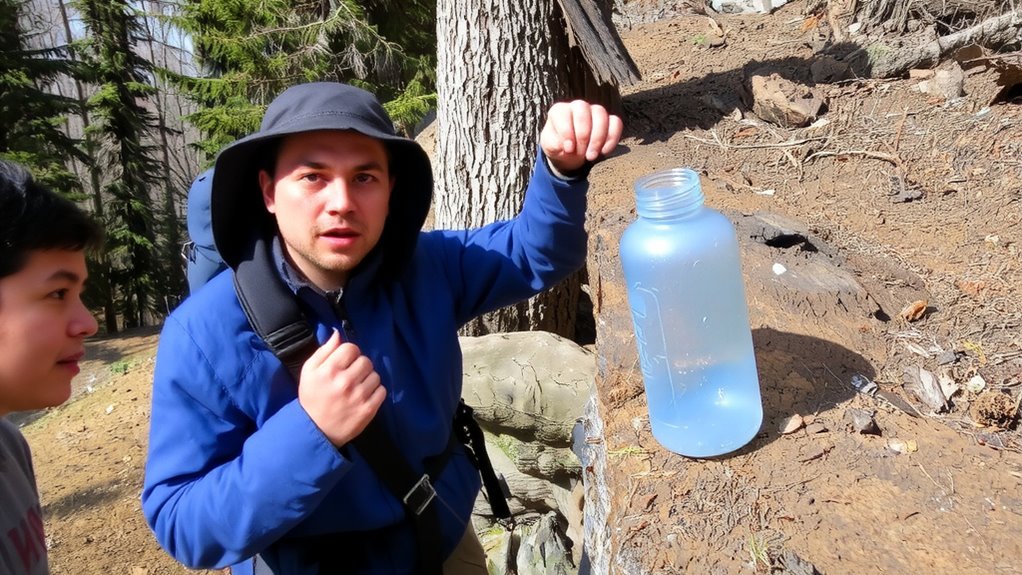
Why do some hikers suddenly feel off-trail and never realize it’s their body signaling trouble? Because early hyperthermia mimics fatigue, and you might not notice the drop in performance until it’s advanced. You’ll experience impaired cognition-small mistakes like misreading landmarks or forgetting trail markers become common. Your decision-making slows, and you may not realize you’re off route. Reduced coordination follows; you fumble with gear, trip over roots, or struggle to zip a jacket. These aren’t just annoyances-they’re measurable warning signs. Core temperature rise above 100.4°F triggers these effects, even if you don’t feel hot. Breathlessness and flushed skin often accompany them. Recognizing these changes early allows intervention before conditions worsen. Carry a thermometer, monitor your mental and physical responses, and heed subtle shifts. Prevention beats recovery when you’re miles from help.
Stop Heat Exhaustion Before It Becomes Stroke
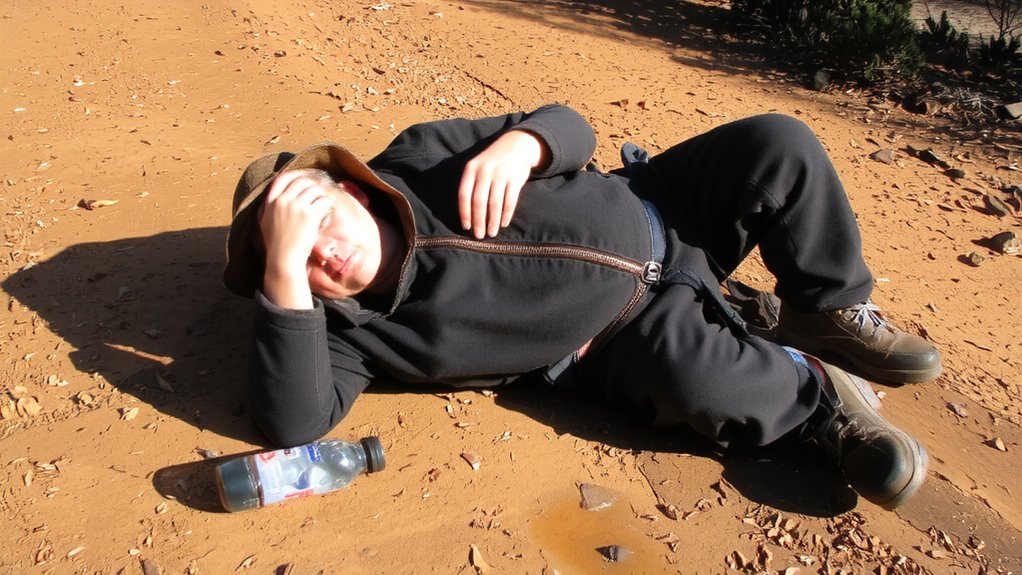
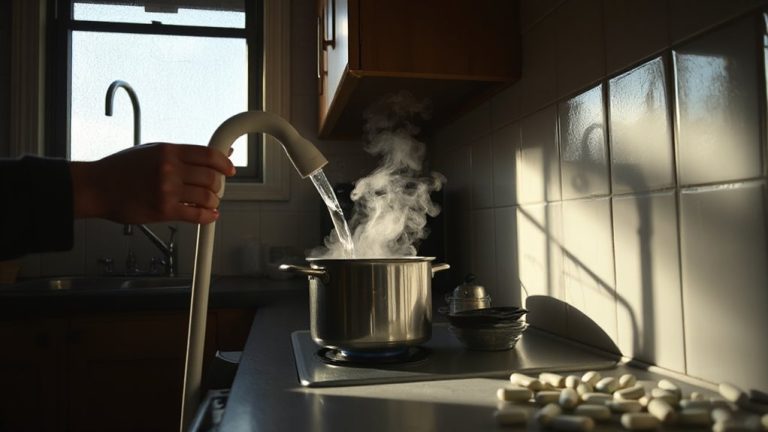
How quickly can heat exhaustion escalate? Fast-within hours, if ignored, it can push you toward heat stroke, a life-threatening condition. You’re at real risk if you’re sweating heavily without replacing fluids, especially in hot, humid environments. Heat cramps are early red flags, signaling electrolyte loss and dehydration risks. Don’t dismiss muscle spasms as simple fatigue-they’re your body’s warning. At that point, continuing to hike increases core temperature dangerously. You must act before confusion, nausea, or dizziness sets in, because once you can’t sweat anymore, thermoregulation has failed. Prevent escalation by pacing yourself, wearing moisture-wicking layers, and drinking water steadily, not just when thirsty. A hydration pack with 1.5 liters per 2 hours of hiking cuts dehydration risks considerably. Salt tablets help, but only with adequate water. Ignoring heat cramps risks collapse. Stop, rest, and rehydrate-your safety depends on early intervention.
How Hikers Can Cool Down From Hyperthermia
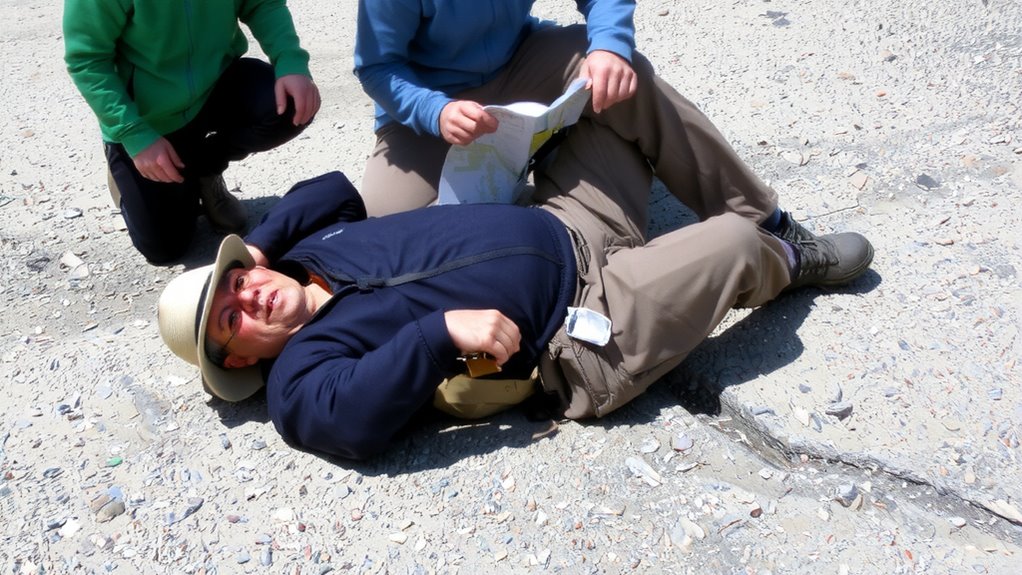
If you’re showing signs of hyperthermia, cooling down fast is critical-your core temperature needs to drop before confusion or vomiting starts. Begin with emergency cooling: soak your wrists, neck, and face with cold water; those areas have high blood flow and cool your body faster. If possible, douse your shirt or hat. Immediate shade seeking is equally important-exposure worsens overheating. Step under tree cover or use a lightweight emergency tarp to block direct sun. Sit, don’t walk, to reduce heat production. Hydrate with small sips of water, but don’t overdrink. Evaporation works better when air moves, so use a hand fan or jacket to create airflow. Cooling effectiveness drops above 75% humidity, so rely more on shade seeking and water immersion in muggy conditions. These steps slow heat buildup while you wait for help or recovery.
Prevent Hiker Hyperthermia With Smart Layering
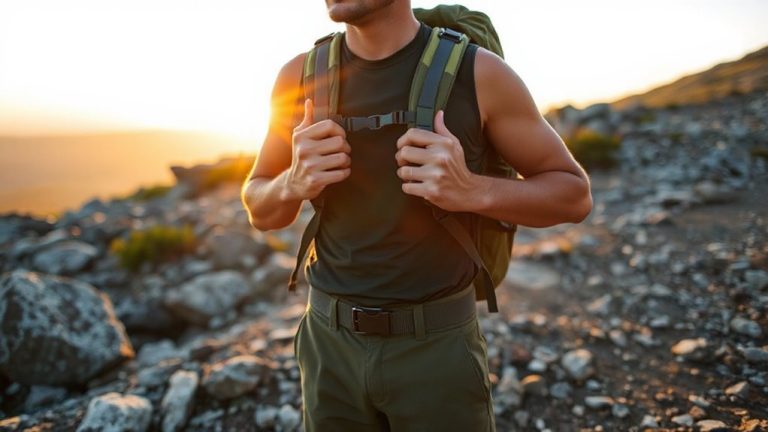
Even when the trail heats up, wearing the right layers keeps your body’s cooling system working efficiently. Choose a base layer with high fabric breathability to allow sweat vapor to escape, reducing dampness next to skin. Avoid cotton-it traps moisture and increases heat retention. Instead, opt for synthetic or merino wool fabrics tested to wick moisture within 5 minutes under moderate exertion. Add a lightweight, loose-fitting outer layer that permits airflow without absorbing sweat. This system balances insulation and ventilation, adjusting to changing effort levels. If you overheat, remove a layer before you start sweating heavily. Smart layering isn’t about warmth-it’s about managing evaporation. Real-world trials show hikers in layered, breathable clothing maintain core temps up to 1.5°F lower than those in single-layer cotton. You stay drier, cooler, and less prone to overheating.
Pack a Heat Safety Kit for Every Hike
A heat safety kit could be the difference between a minor setback and a medical emergency when temperatures climb. You should carry water bottles with measurement markings to support hydration tracking and guarantee you’re drinking at least 0.5 liters per hour in heat. Include oral rehydration salts for electrolyte balance-they’re compact and proven to maintain fluid retention. Add a lightweight whistle and signal mirror for emergency signaling; they provide reliable visibility and auditory reach without batteries. A compact thermometer helps monitor body temperature if symptoms appear. Choose a kit with bright colors for visibility and store it in an exterior pack pocket. Most kits weigh under 8 oz and fit in a small pouch. These tools won’t prevent heat illness on their own, but they improve response speed and effectiveness when paired with awareness and planning. Test all items before use. Consider including an emergency blanket for unexpected exposure or heat regulation in extreme conditions.
Dress Right: Avoid Overheating From Overdressing
You’ve packed your heat safety kit with measured bottles, rehydration salts, and a thermometer-now make sure your clothing isn’t working against you. Overdressing hikes your risk by increasing fabric weight and thermal retention, trapping heat your body needs to release. Choose lightweight, moisture-wicking layers that let air circulate. Avoid cotton; it holds sweat and increases thermal retention. Instead, opt for synthetic or merino fabrics with low fabric weight and high breathability.
| Layer | Fabric Type | Impact on Thermal Retention |
|---|---|---|
| Base | Merino wool | Low |
| Mid | Fleece | Moderate |
| Outer | Waterproof | High |
| None | Cotton | Very High |
Remove layers before you feel hot-once you’re sweating, overheating has already started. Match your outfit to effort level and temperature.
On a final note
You can prevent overheating by dressing in moisture-wicking base layers and avoiding cotton. Carry a lightweight windbreaker instead of heavy insulation. Monitor for early signs like heavy sweating and dizziness. If symptoms appear, stop hiking, shade yourself, and sip water slowly. A packed heat safety kit with electrolytes and a thermometer helps track core temperature. Overdressing raises risk-adjust layers before you feel hot.