Foraging in Urban Environments: Finding Edible Plants in Cities
You can forage safely in cities if you avoid polluted areas like roadsides and industrial zones, where plants absorb invisible toxins. Stick to common edible plants like dandelion, plantain, and chickweed, which are easy to identify and widely available. Always harvest no more than a third of any patch to protect plant populations. Clean greens thoroughly with a vinegar rinse to reduce contamination. Smart choices keep urban foraging practical and safe-knowing what’s next improves your results.
Notable Insights
- Many common edible plants like dandelion, plantain, and purslane thrive in cities and are safe to forage when harvested responsibly.
- Avoid foraging near roads, factories, or treated lawns due to invisible contamination from heavy metals and chemicals.
- Only harvest what you can positively identify using reliable field guides or apps to prevent accidental poisoning.
- Clip no more than one-third of a plant cluster to ensure sustainable regrowth and minimize environmental impact.
- Clean urban foraged greens thoroughly with a vinegar soak and store them in the refrigerator for up to five days.
Is Urban Foraging Safe?
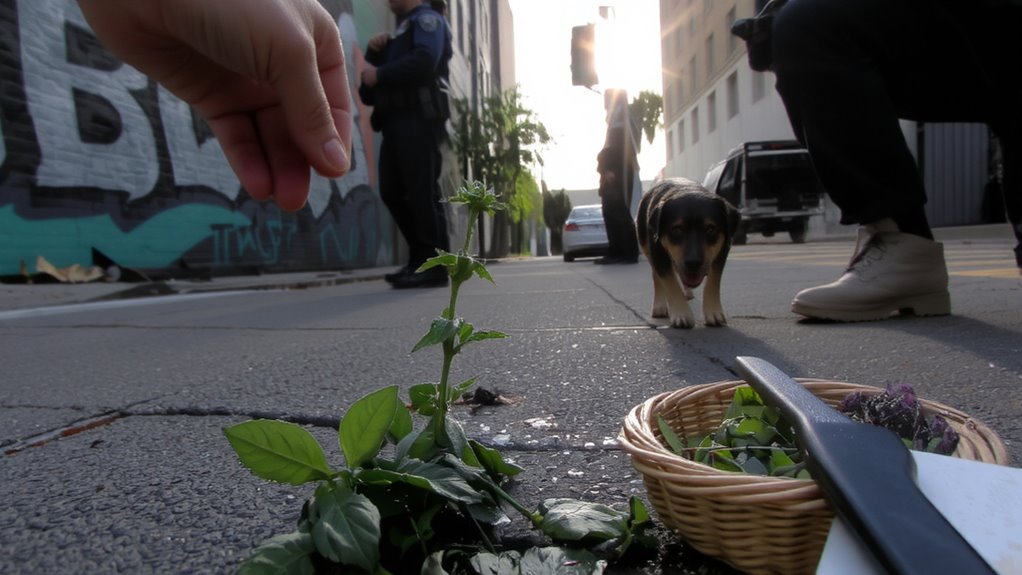
While you might be tempted to pick that berry or leaf you see growing near a sidewalk, you should know that not all urban plants are safe to eat-some are contaminated with heavy metals or pollutants from traffic and industrial runoff. Poor air quality in cities means plants absorb toxins like lead and cadmium, especially near roads or factories. Chemical contamination from pesticides, herbicides, or motor oil runoff further increases risk. You can’t taste or see these pollutants, so even vibrant-looking plants may be unsafe. Testing soil and plants for contaminants is the only reliable way to confirm safety, but it’s often impractical. As a rule, avoid foraging within 10 feet of roadways, parks treated with chemicals, or industrial zones. Urban foraging carries real risks, and your health depends on being cautious, informed, and selective about where you harvest.
5 Edible Urban Foraging Plants to Find
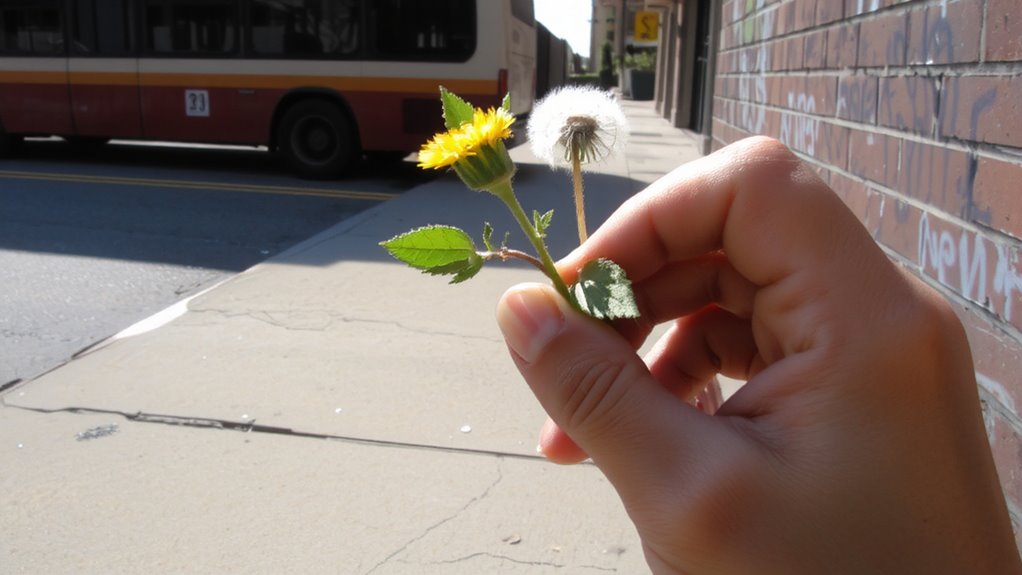
Your best bets for urban foraging start with common, resilient plants that thrive in city conditions but pose low risk if harvested smartly. Focus on species easy to identify and abundant, reducing misidentification errors. Seasonal plant identification is essential-know what’s edible and when. For example, dandelion greens are best in spring; their bitter taste intensifies with age. Common dandelion uses include salads, teas, and roasted roots as a coffee substitute.
| Plant | Best Foraged | Notes |
|---|---|---|
| Dandelion | Spring | Leaves, roots edible; avoid polluted areas |
| Plantain | Spring-Fall | Medicinal, edible young leaves |
| Purslane | Summer | Moist, sunny spots; high in omega-3s |
| Chickweed | Spring-Fall | Cool weather; soft stems and leaves |
| Mulberry | Summer | Trees in parks; ripe fruit only |
Stick to clean, low-traffic areas and confirm each trait matches before picking.
How to Forage Without Harming Nature
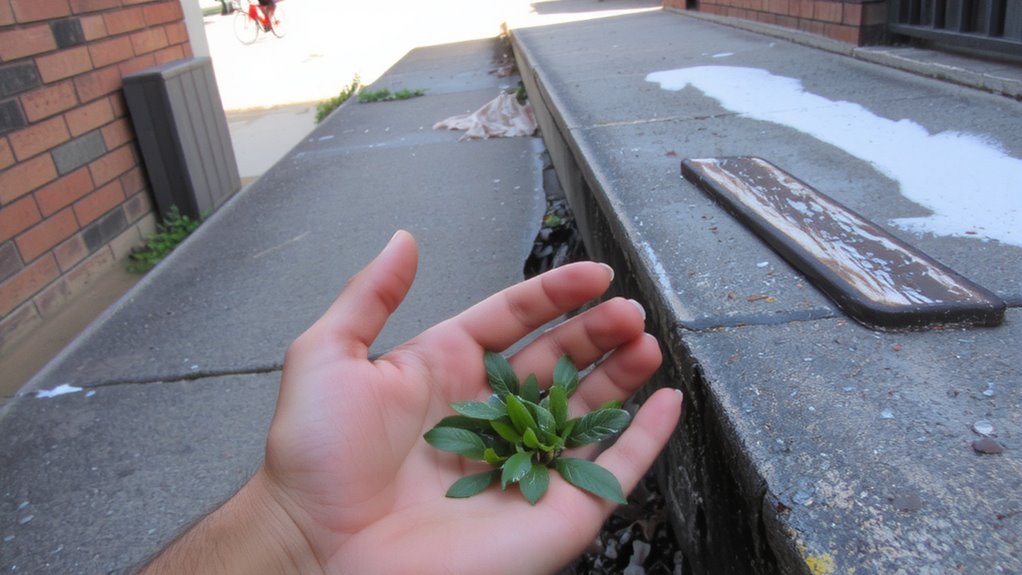
You’ve identified the common edible plants that thrive in city settings, but knowing what to pick is only half the practice. The other half is sustainable harvesting-taking only what you need and leaving enough for the plant to regenerate. Clip no more than a third of any plant cluster, and avoid uprooting unless necessary. This supports long-term plant conservation and guarantees future growth. Don’t forage in polluted areas or protected green spaces where ecosystems are fragile. Stick to abundant species and avoid rare or slow-growing plants. Use clean tools to prevent disease spread. Your impact matters: responsible foraging maintains urban biodiversity. When you harvest mindfully, you help preserve plant populations for others and the environment. Sustainable harvesting isn’t optional-it’s essential for ethical foraging. You’re not just gathering food; you’re participating in urban ecology. Do it right, and the plants will keep coming back.
Avoid These 5 Urban Foraging Mistakes
Even if you’re keen to fill your basket, rushing in without preparation can lead to costly errors. Mistake one: ignoring harvest timing. Picking too early or late affects flavor and nutrition. Mistake two: misjudging plant maturity. Young leaves are often edible; mature ones can be tough or bitter. Mistake three: foraging near polluted areas-roadsides and industrial zones carry toxins. Mistake four: misidentifying species. One wrong guess can be dangerous. Always use a reliable guidebook or app. Mistake five: overharvesting. Take only what you need, leaving enough for regeneration and others. Proper timing and maturity assessment guarantee better yields and sustainability. You’ll get more usable material with fewer trips if you wait for ideal conditions. Urban foraging works when done right-rushing it compromises safety and results. Plan, observe, and harvest deliberately.
Clean and Prepare Wild City Greens Safely
Though urban greens can be nutritious and abundant, they often carry pollutants or debris from city environments, so cleaning them thoroughly is non-negotiable. Start with proper washing techniques: rinse leaves under cool, running water to remove grit, then soak them for 10–15 minutes in a vinegar solution (1 part vinegar to 3 parts water) to reduce bacteria. Swirl greens during soaking to loosen contaminants. Drain and rinse again with clean water. For added safety, use a salad spinner to remove excess moisture. Drying helps prevent spoilage during storage. Use airtight containers lined with paper towels and store in the refrigerator. Most urban greens last 3–5 days using these storage methods. Avoid sealing wet leaves, as moisture accelerates decay. Inspect greens before consumption-even after cleaning, some grit or residue may remain.
On a final note
You can safely forage in cities if you know the risks and stick to clean, uncontaminated areas. Stick to common edible plants like dandelion, plantain, and chickweed, which are easy to identify and abundant. Avoid roadside plants and polluted zones. Always wash greens thoroughly. Foraging works as a practical supplement, not a primary food source, and demands caution, accuracy, and respect for local ecosystems to stay safe and sustainable.