Survival Priorities: Rule of 3s for Shelter, Water & Fire
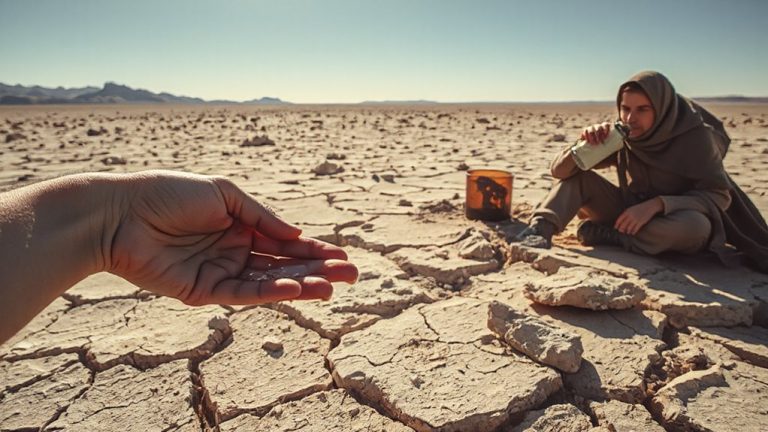
You need shelter first because exposure can kill faster than hunger or thirst, even in mild conditions. A tarp or debris hut cuts wind and reduces heat loss, keeping your core stable. Find water from streams or rain, then boil it or use a 0.2-micron filter. Fire warms you and signals for help-ferro rods work when wet. Prioritize threats by severity, not fear. Food can wait weeks if you have water. Real survival comes from clear choices, not panic-and knowing what’s next could make all the difference.
Notable Insights
- Shelter is critical first because exposure can cause hypothermia within hours, even in mild conditions.
- Prioritize clean water using boiling, filtration, or chemical treatment to prevent dehydration and illness.
- Build a fire for warmth, psychological comfort, and signaling, especially with smoke during daylight.
- Assess threats by immediacy-hypothermia, injury, and contaminated water outweigh hunger in early stages.
- Delay food procurement; humans can survive weeks without food if water and shelter needs are met.
Why Shelter Comes First in Survival
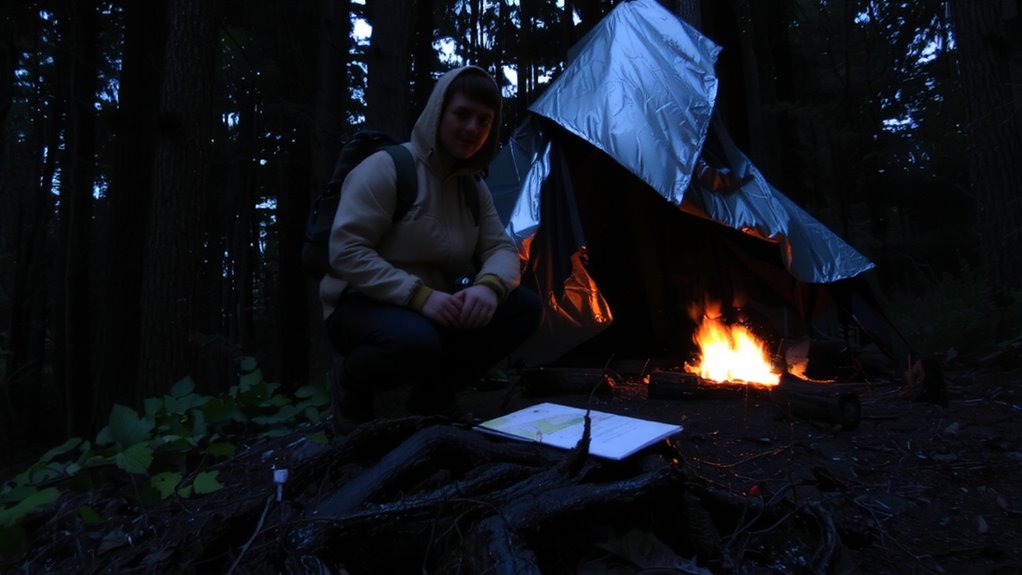
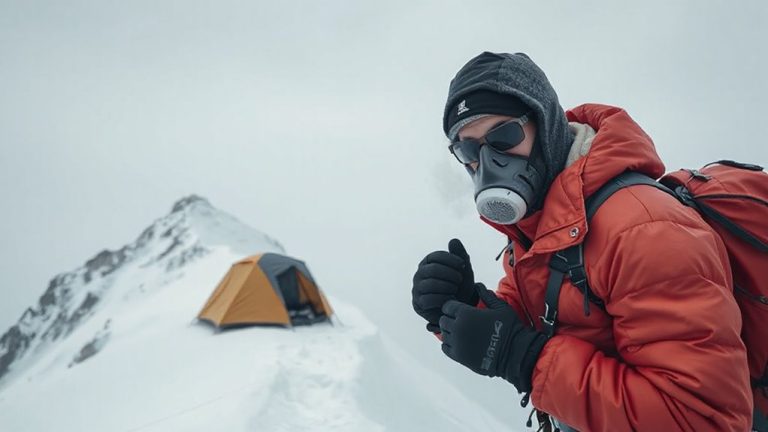
While finding food and water might seem urgent, you’ll want to focus on shelter first because exposure kills faster than hunger. Your body loses heat quickly, and without proper thermal regulation, hypothermia can set in within hours, even in mild conditions. Environmental exposure-whether from wind, rain, or extreme temperatures-drains energy and impairs judgment. A well-built shelter reduces heat loss, blocks wind, and maintains core temperature. It’s not about comfort; it’s about survival. Tarp shelters, debris huts, or natural windbreaks work if they limit surface exposure and trap body heat. In testing, individuals with basic insulation survived 3x longer than those exposed. Prioritize materials that enhance thermal regulation: dry leaves, space blankets, or dense foliage. You can go weeks without food and days without water, but hours in harsh environmental exposure can be fatal. Shelter isn’t optional-it’s your first line of defense. A durable and lightweight best camping shelters can make a critical difference in maintaining protection and thermal efficiency during unexpected overnights.
How to Find and Purify Water Fast
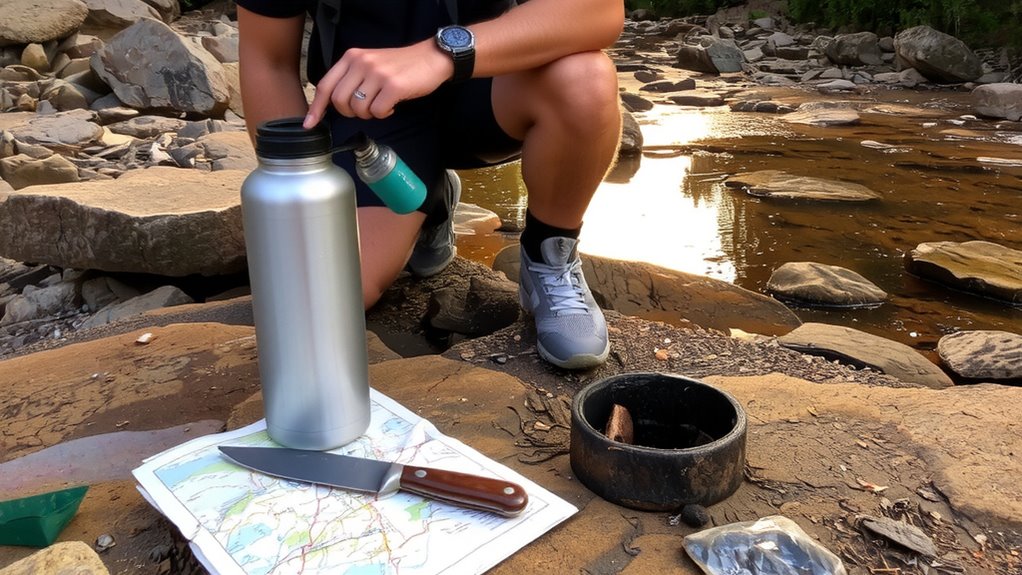
Where will you find water when you’re hours in and the canteen’s empty? Look for reliable water sources like streams, springs, or morning dew on plants. Avoid stagnant pools-they’re risky. Once you’ve got water, use proven purification methods immediately. Boiling works best: 1 minute at rolling boil kills pathogens. If you’re short on time, use a filter with a 0.2-micron rating or chemical tablets like chlorine dioxide (wait 30 mins). UV pens are fast but need batteries. For reliable field use, consider carrying one of the best water filters for survival.
| Water Source | Ease of Access | Purification Needed |
|---|---|---|
| Streams | High | Medium |
| Dew | Low | Low |
| Puddles | Medium | High |
| Rainwater | High | Low |
Prioritize clean sources to reduce reliance on purification methods.
Build a Fire to Stay Warm and Signal
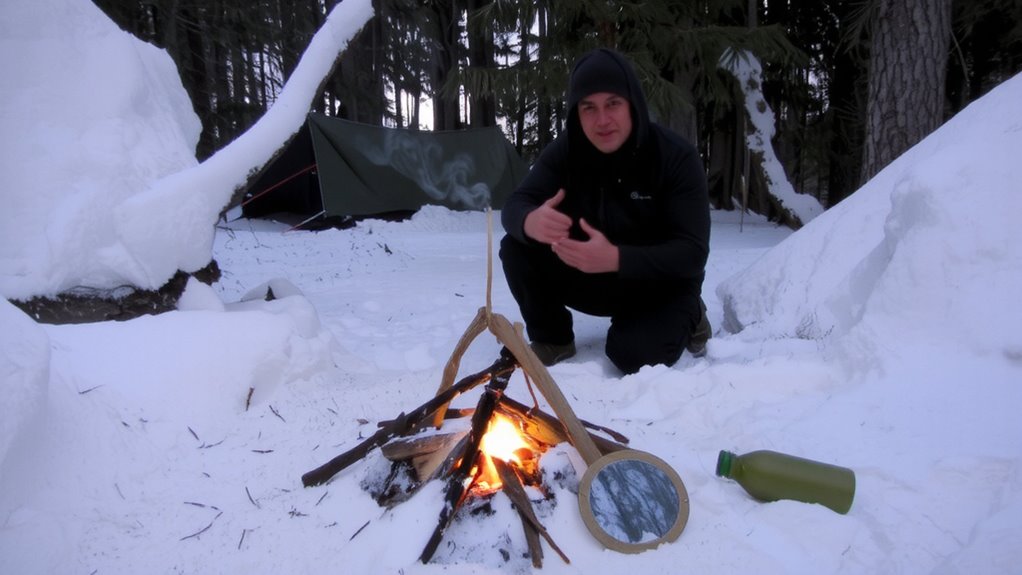
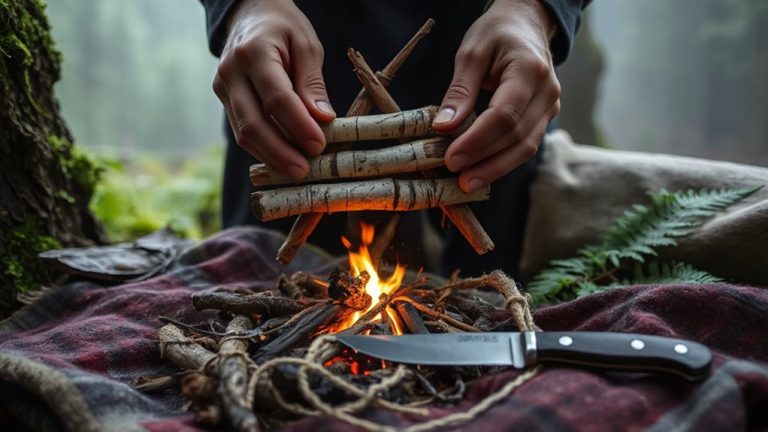
You’ve secured water-now heat becomes your next priority. Fire building isn’t just about warmth; it’s a core survival function. A steady flame stabilizes body temperature, prevents hypothermia, and allows you to conserve energy. Use dry tinder and reliable ignition-ferro rods work better than lighters in damp conditions. Position your fire near shelter but not so close that it risks contact. Build it in a reflector pit to maximize heat direction. Equally important, signal flames can alert rescuers. Three fires in a triangle are internationally recognized as a distress sign. At night, bright, sustained flames are visible up to several miles. During daylight, add green vegetation to create smoke. Don’t waste fuel-keep signal flames ready but not burning constantly. Fire serves dual roles: thermal regulation and communication. Prioritize efficient fuel use, visibility, and control at all times. For compact and effective fire-starting tools ideal for backcountry use, consider a best fire starter for Solo Stove.
Prioritize by Threat, Not Panic
When your environment turns hostile, staying alive means making choices based on actual dangers, not fear-driven reactions. Panic clouds judgment, but mental clarity lets you perform accurate risk assessment. You don’t need the fanciest gear-you need to think straight. Start by identifying immediate threats: exposure, injury, or unsafe water. A hypothermic person won’t last hours; someone mildly hungry can wait days. Rank dangers by how fast they’ll end your survival, not by how loud they feel. Mental clarity isn’t comfort-it’s function. It lets you weigh options like whether to move or shelter in place. Risk assessment means asking: What could kill me first? Then acting without hesitation. Tools help, but only if your decisions are grounded in reality, not emotion. Prioritize threats with speed and severity in mind. That’s how you stay in control when everything feels like chaos.
Food Can Wait: Here’s How Long
A person can survive roughly three weeks without food, assuming they have water and some body fat. You’ll feel weak and hungry, but starvation isn’t the immediate threat dehydration or exposure is. Your body shifts into energy conservation mode, breaking down fat stores to keep essential functions running. That means searching for food should rank behind shelter, water, and signaling for help. Once those are secured, consider food preservation techniques like drying or smoking if you’ve procured game or fish. These methods extend caloric availability without requiring constant hunting. Prioritize low-effort foraging over risky hunts-your energy conservation strategy directly impacts survival duration. Carrying high-calorie, lightweight rations balances preparedness with minimal bulk. Real-world testing shows survivors who ration carefully and preserve calories endure longer. Food can wait, but smart planning and energy management can’t.
On a final note
You need shelter first-it keeps your core temp stable and prevents hypothermia within hours. Water comes next; purify it fast with a filter or boil for one minute. Fire warms you, cooks, and signals-use dry tinder and wind protection. Prioritize immediate threats over panic: exposure kills faster than hunger. Food can wait three weeks, but not a moment longer than necessary.