How to Assess the Likelihood of Emergency Child Supervision Needs
You can assess emergency supervision needs by matching your child’s age and health to common risks-infants with fever or breathing issues, toddlers prone to falls or choking, and asthmatic kids during high-pollen days need closer watch. Spot early signs like rapid behavior changes or trouble breathing. Check your home for hazards like blind cords or outlets. Knowing what to expect and preparing reduces response time when seconds count. The plan you set now could handle what comes next.
Notable Insights
- Evaluate the child’s age and developmental stage to identify common emergency risks like choking or falls.
- Monitor for sudden changes in behavior, breathing, or color, which may signal an emerging emergency.
- Assess home environment for hidden hazards such as blind cords, outlets, or crib placement near windows.
- Consider pre-existing medical conditions like asthma or seizures that increase emergency supervision needs.
- Review emergency preparedness, including plans, kits, and drills, to determine supervision readiness.
Common Emergencies by Age: Infants to Teens
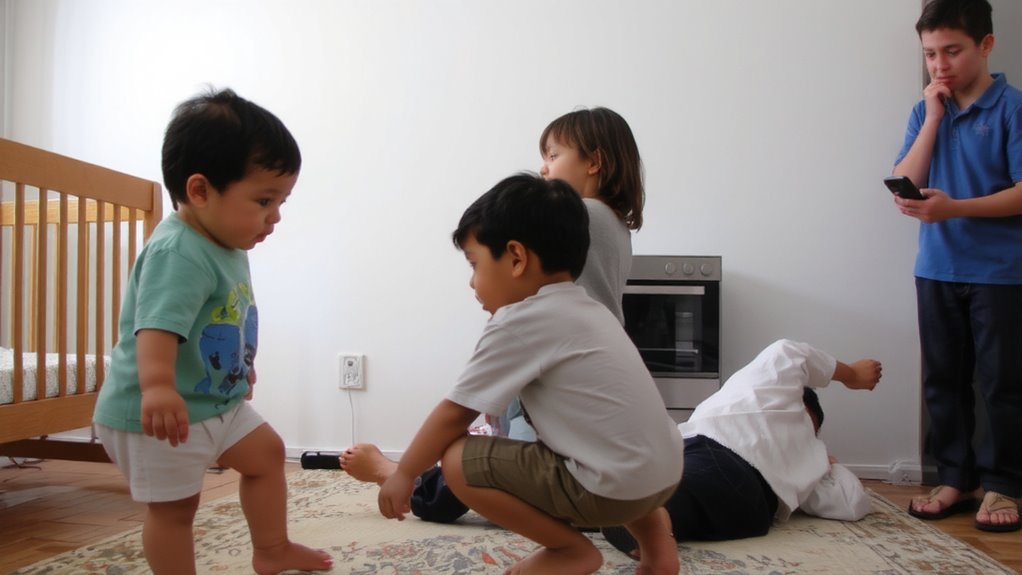
What keeps you up at night? For infants, it’s fever spikes and breathing difficulties-silent but serious signs that demand immediate attention. You’ll notice flared nostrils or grunting, not just crying. Toddlers explore, so choking and falls are common. Keep small objects out of reach. School-age kids face playground injuries and asthma flare-ups-watch for wheezing or rapid breathing. Teens have different risks: sports injuries, accidents, or undiagnosed conditions. Fever spikes in older children may point to infections needing evaluation. Breathing difficulties at any age require monitoring, but in infants, they’re especially urgent. Your supervision level should match their stage. No device replaces vigilance. A baby monitor helps detect irregular breathing, but it’s no substitute for presence. You need to act fast. Preparedness means knowing likely risks and adjusting your oversight-practically, consistently. That’s how you maintain readiness without overreaction.
When to Worry: Early Signs of a Child Emergency
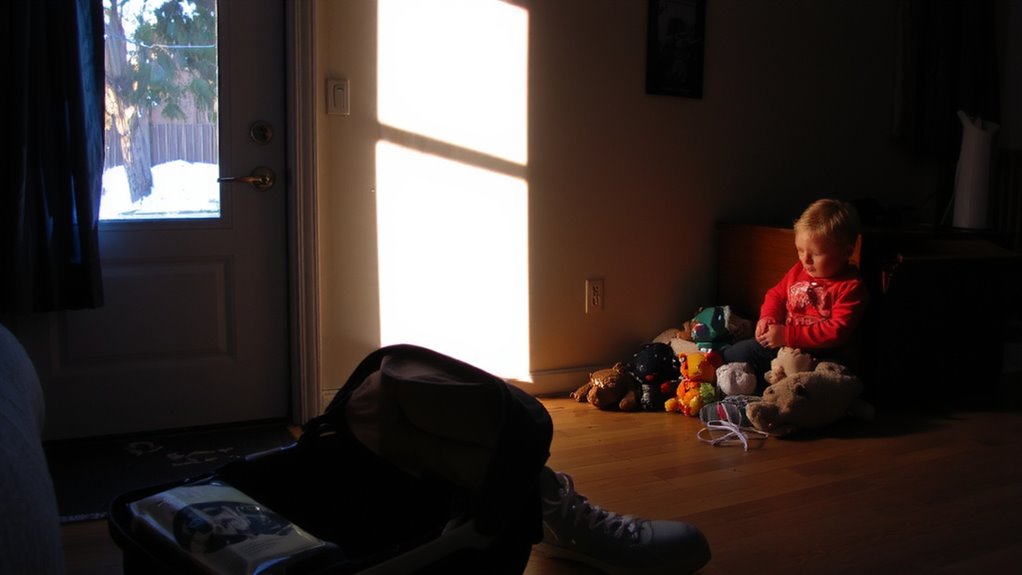
How quickly can you spot the shift from ordinary illness to something serious? Watch for behavior changes-like confusion, unusual lethargy, or irritability-especially if they come on fast. A sudden illness with high fever, trouble breathing, or persistent vomiting demands immediate attention. These aren’t just passing bugs; they’re red flags. Your child may not be able to explain what’s wrong, so you must interpret cues. Pale or bluish skin, rapid heartbeat, or inability to keep fluids down are measurable signs of deterioration. Don’t wait for symptoms to worsen. If the change feels off-from active to withdrawn in hours-act. Early intervention improves outcomes. Trust your observation. You know your child’s baseline. When behavior changes sharply or a sudden illness appears, assess quickly, call for help, and prepare for possible emergency care. Speed and accuracy matter.
Childproof Every Room: Hidden Home Dangers
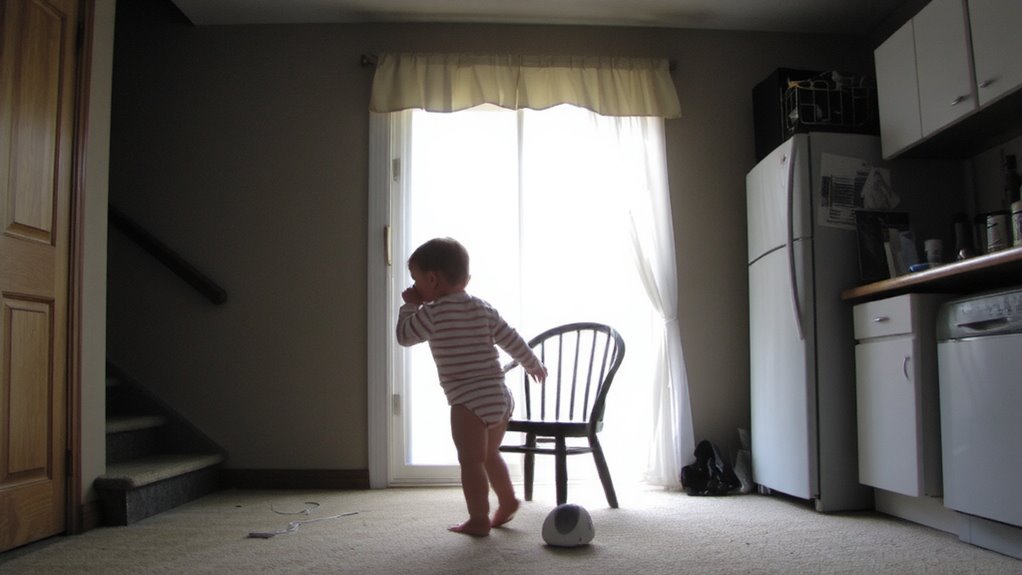
Where could your child find trouble in plain sight? Electrical outlets are accessible in most rooms, posing shock risks if left uncovered. Standard outlet protectors cost under $10 and install in seconds, but they vary in effectiveness-some require both slots to be pressed simultaneously, reducing false triggers. Blind cords present another hazard; looped cords can entangle small necks within seconds. Choose cordless blinds or use cord shorteners to eliminate slack. Test each room by dropping to your child’s eye level-you’ll spot overlooked threats like low outlets or dangling cords. A crib near a window with blind cords creates a trap. Wall outlets near sinks or tubs need tamper-resistant models, now required in new construction. These fixes are low-cost but high-impact. You’re not eliminating all risk-you’re reducing likelihood through consistent, simple changes. Each adjustment lowers danger exposure incrementally.
Know Which Health Issues Could Become Emergencies
You’ve secured the outlets and shorted the cords, but even the safest home can’t prevent every childhood illness or injury. You need to know which health issues could become emergencies. Asthma attacks can escalate fast-wheezing, rapid breathing, or struggling to speak are signs you must act. If your child uses a rescue inhaler and doesn’t improve within 10 minutes, it’s an emergency. Seizures are another concern. Most last under 5 minutes, but one lasting longer, or trouble breathing afterward, means immediate help is needed. Not all medical episodes are predictable, but recognizing severity matters. Track symptoms, follow medical advice, and have emergency numbers ready. Knowing the difference between mild and dangerous patterns helps you decide when to watch or when to call. Preparation reduces risk when seconds count.
Keep Kids Safe During Risky Play and Outings
What makes a playground fun also makes it risky-heights, speed, and unpredictable surfaces. You need to perform a quick risk assessment before letting kids play. Look for hazards like broken equipment, hard ground surfaces, or sharp edges. Padding under swings and slides reduces injury odds, but not all materials work equally well-8 inches of rubber mulch performs better than packed sand. Keep within arm’s reach of younger children. For outings, check weather and terrain. A stroller with all-terrain wheels improves outdoor safety on trails. Supervise closely near water, traffic, or crowds. Your presence is the most effective safety tool. Don’t rely on gear alone. Balance freedom with awareness. Adjust supervision based on the child’s age, behavior, and environment. Simple fixes, like securing loose shoelaces, prevent common falls. Stay alert, not anxious.
Create a 5-Minute Emergency Action Plan
Why wait until something goes wrong to figure out what to do? You need a 5-minute emergency action plan now. Start by identifying two meeting points: one right outside your home, another outside your neighborhood. Write them down and tape a copy to your fridge. Designate an out-of-town contact everyone calls if separated. This guarantees communication lines stay open. Pack an Emergency Kit with water, flashlight, batteries, first aid supplies, and snacks-check it every 90 days. Conduct a Quick Evacuation drill monthly. Time it. Most families take over seven minutes their first try. Cut that in half with practice. Include kids in planning-repetition builds response, not panic. Your plan isn’t a guess. It’s tested, timed, and revised. A real plan fits in five minutes because emergencies don’t wait. For reliable preparedness, consider choosing one of the best emergency kits based on expert evaluations and essential feature comparisons.
On a final note
You can’t prevent every emergency, but you can reduce risks with clear, age-appropriate safeguards. Check your home room by room-common hazards change as kids grow. Recognize early warning signs, like labored breathing or extreme lethargy, and act fast. A working emergency plan beats panic every time. Test alarms monthly, keep numbers handy, and practice responses. Preparedness isn’t overkill-it’s baseline care.