How to Assess the Likelihood of Emergency Childcare Disruption
Check your provider’s emergency drills, supplies, and written plans-outdated kits or no fire evacuation practice means higher risk. Map local flood or heat risks using past climate data. Confirm backup care with trusted contacts or centers, not just relatives. If your daycare relies on one road or bridge, disruption is more likely. Watch for staff turnover or poor alerts-delayed texts signal bigger flaws. Reliable setups notify fast and have clear backup steps-yours should too. You’ll want to know what comes next.
Notable Insights
- Conduct monthly emergency drills for fire, evacuation, and shelter-in-place to evaluate staff readiness and children’s response.
- Verify the presence and condition of emergency supplies, including first aid kits, 72-hour food/water, and working flashlights.
- Identify at least two backup childcare options with written agreements to reduce disruption during emergencies.
- Assess location risks such as flood zones, single-access routes, or proximity to fault lines that increase closure likelihood.
- Monitor provider stability through consistent communication, staff turnover, and use of reliable alert systems for emergencies.
Check Your Provider’s Emergency Disruption Plan

Ever wonder how prepared your childcare provider really is when emergencies hit? You should check their emergency disruption plan carefully. Ask if they run regular emergency drills-monthly ones are ideal-for fires, evacuations, or shelter-in-place situations. These drills show whether staff respond quickly and children follow instructions calmly. Also, assess their supply readiness: do they have first aid kits, water, non-perishable food, flashlights, and batteries for at least 72 hours? Confirm storage locations and check expiration dates. A solid plan includes communication steps for reaching parents during outages. Providers without written procedures or outdated supplies increase your risk. Drill frequency and supply readiness aren’t just checkboxes-they reveal actual preparedness. You’re not overreacting; you’re verifying capability. Look for evidence, not promises. That’s how you know they can handle real disruptions.
Build Your Emergency Childcare Backup Network
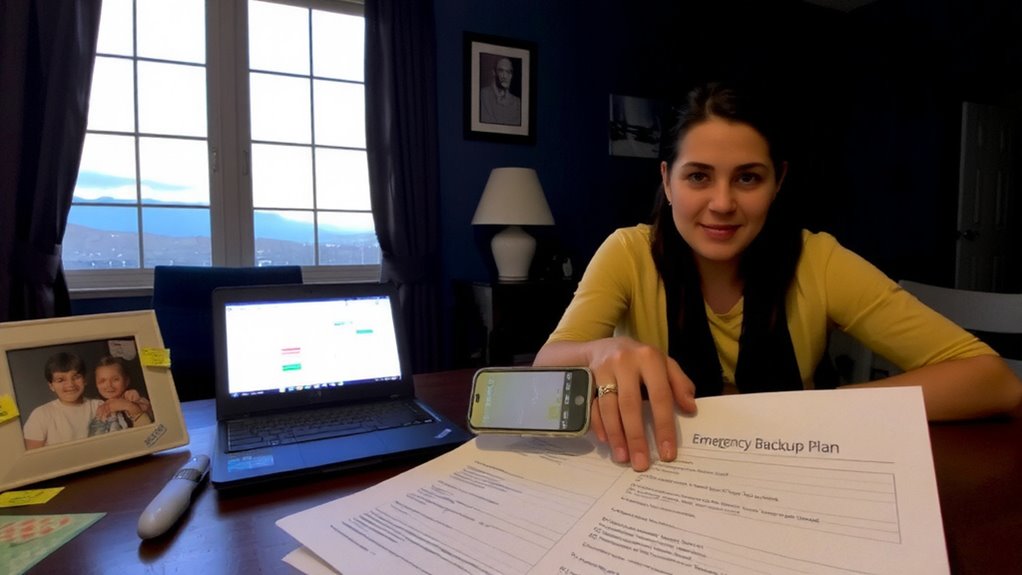
A strong emergency childcare backup network starts with identifying at least two reliable alternatives-such as trusted family members, close friends, or vetted drop-in centers-so you’re not caught off guard when your primary provider is unavailable. You should confirm availability in advance and verify that each option has consistent hours, safe environments, and experience with children. Trusted neighbors can offer immediate, short-term help and reduce commute disruptions. Setting up childcare swaps with nearby families balances mutual need and cuts costs. These arrangements work best when both parties outline expectations, emergency contacts, and supervision rules ahead of time. Relying solely on one backup increases risk, so diversify. Written agreements improve reliability more than verbal ones. Real-world testing shows networks with at least two confirmed options reduce missed work by over 70%. Build it now, not during a crisis.
Evaluate Local Weather & Seasonal Risks

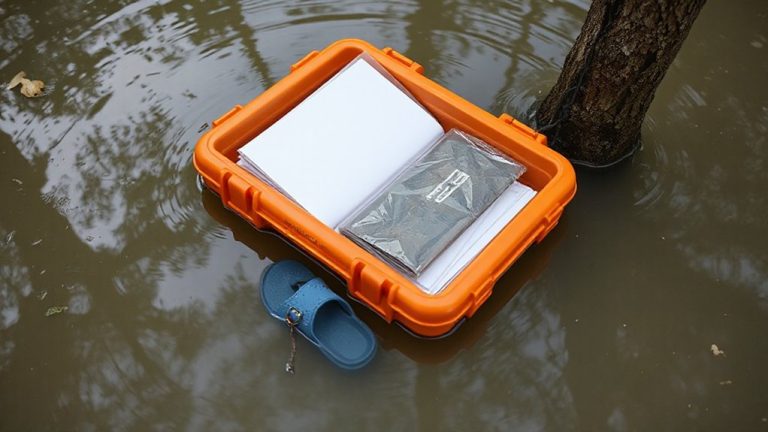
Why do some parents still get stranded when storms roll in? Because they overlook local weather patterns that disrupt childcare. You need to map out your area’s flood seasons and plan accordingly-roads may become impassable, closing schools and daycares unexpectedly. If you live in a region with frequent spring flooding, assume closures will happen and prepare alternatives in advance. Heat waves are another factor; many childcare centers lack adequate cooling, forcing shutdowns when temperatures exceed 90°F for more than two consecutive days. Check historical climate data for your area to identify high-risk periods. Adjust your emergency childcare plan around these predictable events. Knowing when flood seasons peak or when heat waves typically strike lets you time backups more effectively. Ignoring seasonal risks increases vulnerability. Plan for them, and you reduce last-minute surprises when weather turns.
Assess Location-Based Access Challenges
How easily can you reach your child’s daycare when roads are blocked or public transit fails? If your route relies on a single highway or bridge, even minor natural disasters like floods or snowstorms could cut access. Daycares in low-lying areas or near fault lines face higher risks during earthquakes or hurricanes, increasing the chance of closure. Transportation breakdowns-such as suspended bus lines or rail outages-can isolate you from pickup, especially in cities with limited alternatives. Consider walking distance: if you can’t get there in under 30 minutes without a car, disruptions will strain your response time. Map multiple routes and test them during rush hour. Assess public transit reliability using off-peak frequency and seasonal delays. Don’t assume ride-sharing will work when others face the same crisis. Location matters not just for daily access but for emergency reachability when systems fail. Plan accordingly.
Monitor Provider Availability Warning Signs
If you’re waiting for a full shutdown to realize your childcare provider is unstable, you’ve already lost valuable prep time. Watch for early signs like frequent staff changes, last-minute schedule shifts, or unexplained absences-these signal poor staffing consistency. If your provider can’t maintain regular hours or seems overwhelmed during minor disruptions, provider stability is likely weak. Check how often substitute caregivers appear or if leadership seems disorganized. A provider relying on temporary staff regularly can’t offer reliable care. Note if other parents express concern-group observations often reveal patterns. Even small inconsistencies, like delayed notifications or unclear communication, suggest deeper operational flaws. You don’t need a crisis to assess reliability. Track these behaviors over weeks. Providers with consistent teams and clear structure handle emergencies better. Spotting red flags early doesn’t prevent all disruptions, but it gives you time to vet alternatives before you’re desperate.
Know How You’ll Be Alerted in a Crisis
You’ve already started watching for warning signs in your provider’s operations, but knowing when a crisis hits matters just as much as spotting instability. Reliable crisis communication depends on clear, tested alert systems. Ask your provider which methods they use-text messages, phone calls, or apps-and how quickly they commit to sending updates. Some centers use automated systems that notify parents within minutes of an issue; others rely on manual calls that can cause delays. Test the system by asking how alerts were handled during past disruptions. If responses are vague or inconsistent, the system likely won’t perform when it counts. Written policies should outline escalation steps and backup contacts. Don’t assume access-verify notification timelines and redundancy. A fast, direct alert system means you gain critical minutes to respond, while poor communication can leave you stranded. Know the protocol now, not during the crisis.
On a final note
You need a plan that works when emergencies hit. Check your provider’s policies, know the local risks, and confirm backup options are ready. Watch for warning signs like staff shortages or weather alerts. Make sure you’ll get notified fast. Real disruption happens fast-your response should be faster. A solid network and clear info cut downtime and keep care reliable.