How to Identify and Avoid Toxic Hemlock When Foraging Wild Parsnips
Check the stem first-purple spots mean hemlock, and that’s deadly. Crush a leaf; if it smells like mouse urine, walk away. Parsnip has hairy, solid stems and earthy-sweet scent; hemlock’s smooth, hollow, and reeks. Look at the leaves: parsnip’s are broad and toothed, hemlock’s fine and fern-like. They grow in different spots-hemlock likes wet ditches, parsnip in drier fields. Always verify every trait. Mistakes are fatal. You’ll see exactly how to stay safe with the full details.
Notable Insights
- Check the stem for purple spots or streaks, a key sign of toxic hemlock, especially near the base.
- Crush a leaf and smell it; hemlock emits a strong mouse urine odor, unlike parsnip’s sweet, earthy scent.
- Examine leaf structure: hemlock has fine, lacy, fern-like leaves, while parsnip has broad, toothed, triangular leaves.
- Note the habitat-hemlock grows in damp, nitrogen-rich soils like ditches, whereas parsnip prefers drier, well-drained fields.
- Always wear gloves, verify multiple features, and use a field guide to avoid misidentification and ensure safe foraging.
Check for Purple Spots on the Stem
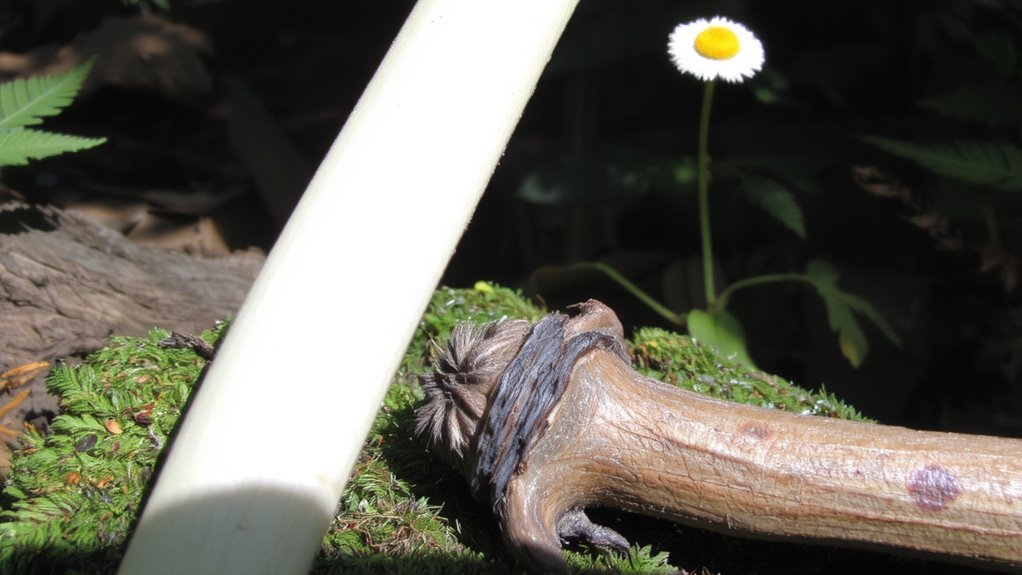
Look at the stem first-your safety hinges on spotting the right clues. If you see purple pigmentation, stop immediately. That discoloration is a red flag, not just random bruising. Toxic hemlock often displays distinct purple spots or streaks, especially near the base. These stem markings are one of the most reliable visual indicators. They don’t appear on harmless look-alikes like wild parsnip, which usually has a solid green stem. The pigmentation tends to be irregular but concentrated, not evenly spread. Lighting matters-check in natural daylight to avoid misreading shadows as spots. Even a small patch of purple pigmentation is cause for caution. Don’t rely on leaf shape or height. Stem markings are more consistent across growth stages. When in doubt, assume it’s hemlock. One mistake isn’t worth the risk. Your ability to distinguish these traits could be life-saving. Accuracy here is non-negotiable.
Smell It: Mouse Urine Means Hemlock
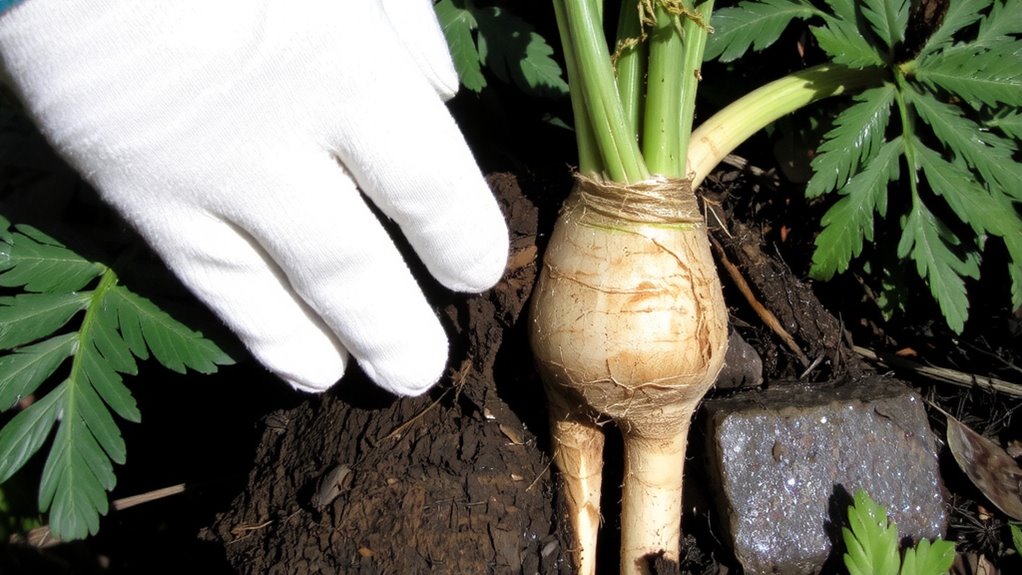
Why does that plant smell like damp basement and old mouse nests? Because toxic hemlock gives off a distinct mouse scent when crushed-especially in the leaves and stems. If you catch a whiff of urine odor, step back. That’s not parsnip; it’s poison. Wild parsnip should have a clean, earthy aroma, faintly sweet or carrot-like. Hemlock’s smell is a red flag, present even in young plants. The urine odor isn’t subtle-it lingers on your fingers and resists washing. This trait holds across environments, whether in ditches or woodland edges. While scent alone isn’t foolproof, combined with other checks, it’s a reliable warning. Don’t rely on taste-ever. Trusting the mouse scent rule reduces risk. When in doubt, leave it out. Your nose is a fast, no-cost tool. Use it.
Tell Parsnip From Hemlock at a Glance
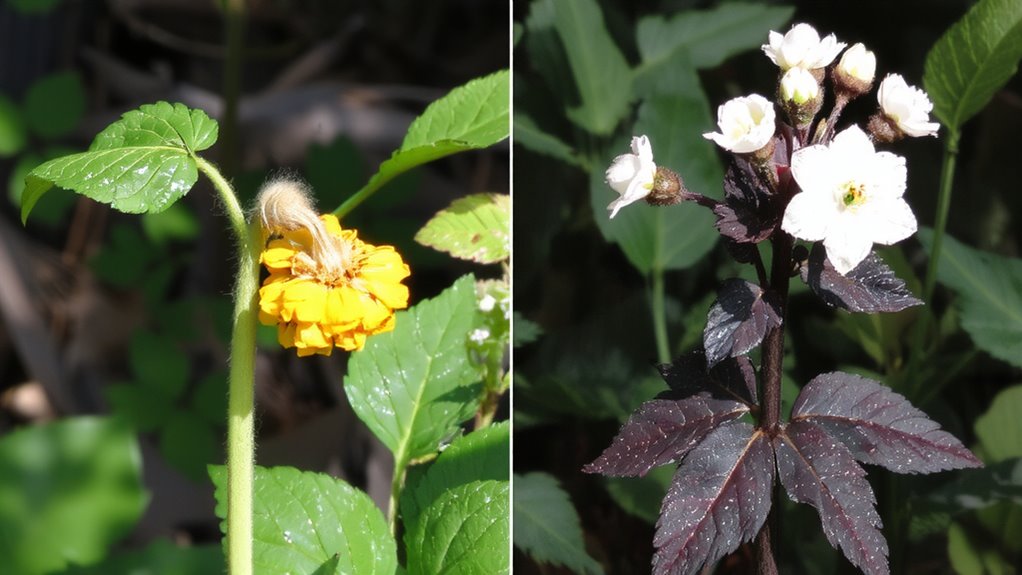
That split-second recognition could save your life-knowing parsnip from hemlock at a glance comes down to spotting three key differences. Leaf shape and flower structure are your best clues. Parsnip has broad, triangular leaves with sharp lobes, while hemlock’s are more finely divided, almost fern-like. The flower structure differs too-parsnip blooms in sparse, irregular clusters; hemlock forms dense, flat-topped umbels. Stems tell more: parsnip’s is solid and usually hairy, hemlock’s is hollow, smooth, and often purple-spotted.
| Feature | Parsnip | Hemlock |
|---|---|---|
| Leaf shape | Broad, toothed | Fine, lacy |
| Flower structure | Loose, uneven | Tight,伞-shaped |
| Stem | Solid, hairy | Hollow, purple spots |
| Smell | Earthy, root-like | Musty, like mouse urine |
Where Hemlock and Parsnip Grow
While both hemlock and parsnip thrive in similar temperate climates, you’ll usually find them in slightly different spots. You’ll spot poison hemlock in disturbed soils-along ditches, roadsides, or abandoned fields-where the soil preference is damp to wet and nitrogen-rich. It tolerates partial shade but grows best with full sunlight exposure. Wild parsnip, on the other hand, prefers drier, well-drained soils and often appears in pastures, meadows, or open woodlands. It thrives under full sunlight exposure but survives in light shade. Though both favor open areas, hemlock leans toward moist, compacted ground, while parsnip avoids waterlogged conditions. Recognizing these habitat patterns helps narrow down risk zones. Soil preference and sunlight exposure aren’t just details-they’re practical tools for avoiding dangerous mistakes. Pay attention to these environmental cues every time you forage. They offer measurable, real-world guidance when distinguishing where each plant is likely to grow.
Follow Safe Foraging Practices
Knowing where hemlock and parsnip typically grow gives you a solid starting point, but staying safe means going further. Foraging safety depends on precise plant identification every time you pick. Never rely on color or smell alone-check the stem, leaves, and roots. Hemlock has purple spots on a smooth stem; parsnip’s stem is hairy and lacks markings. Use a field guide or app, but verify with multiple sources. Mistaking them can be fatal. Carry a magnifying lens to inspect small details. If you’re unsure, leave it. Wear gloves to avoid skin contact with toxins. Forage in clean areas, away from roads and pesticides. Always cook wild parsnip to reduce risk. There’s no margin for error-double-check each plant. Your health depends on consistent, careful practice. Accurate plant identification isn’t optional-it’s the core of responsible foraging.
On a final note
You can’t afford mistakes with parsnip and hemlock. Check stems-purple spots mean hemlock; skip it. If it smells like mouse urine, walk away. True parsnip has a clean, root-like odor. They grow in similar places, but hemlock favors damp, disturbed soil. Always verify multiple traits before harvesting. Mistaking them risks severe poisoning. Carry a field guide, double-check features, and when unsure, don’t eat it. Your safety depends on attention to detail, not guesswork.