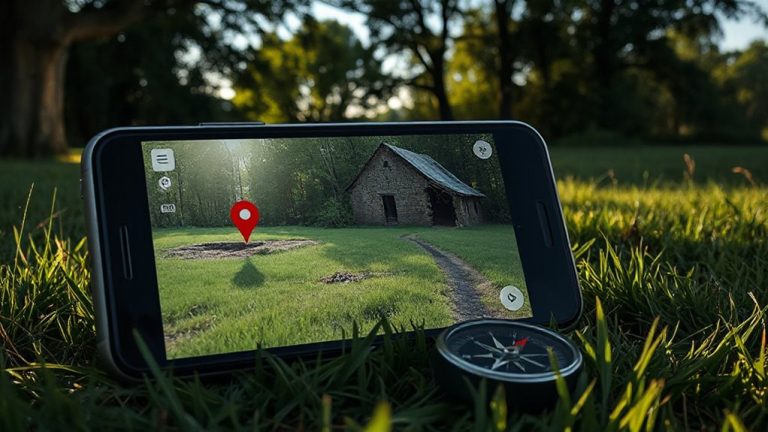
How Urban Foragers Can Reduce Pressure on Fragile Rural Ecosystems
You can reduce strain on rural ecosystems by foraging in cities instead. Common weeds like dandelion, chickweed, and plantain grow abundantly in parks, sidewalks, and vacant lots without needing cultivation. Harvesting them meets your needs without depleting slow-growing wild plants like ramps or mushrooms. Urban foraging avoids travel emissions and habitat disruption, offering a low-impact alternative. Stick to abundant species, take only a small portion, and you’ll help preserve fragile natural areas. There’s more to know about doing it right.
Notable Insights
- Urban foraging reduces reliance on wild-harvested plants, protecting slow-growing species in rural ecosystems.
- Harvesting common city plants like dandelions and chickweed helps preserve biodiversity in fragile natural habitats.
- Foraging in cities minimizes ecological disruption compared to rural harvesting that depletes native vegetation.
- Using edible plants from sidewalks and parks redirects pressure from overharvested rural areas and sensitive lands.
- Ethical urban foraging-taking only 10–15% of a patch-supports sustainability without harming local ecosystems.
How Overharvesting Harms Wild Lands
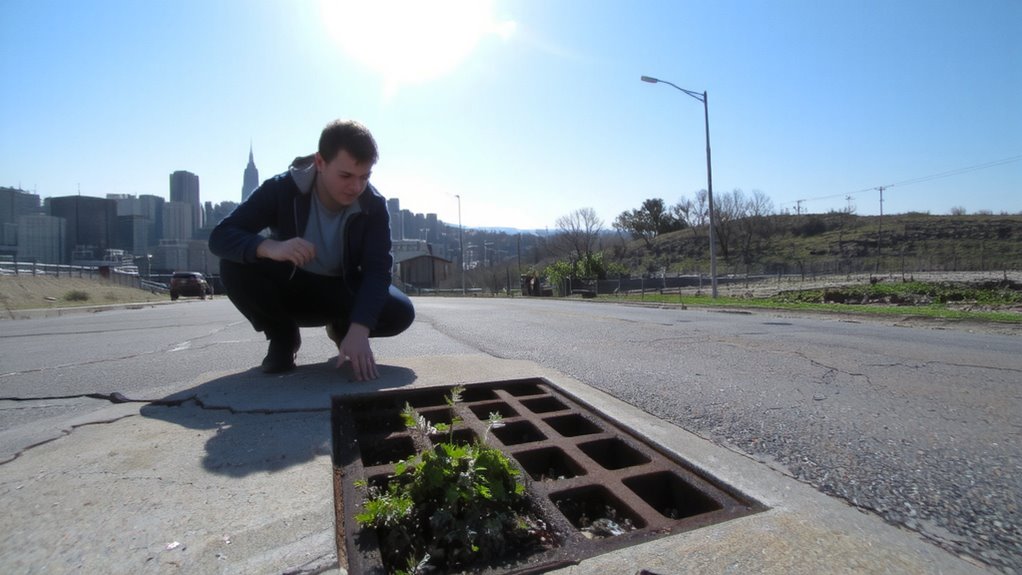
While you might think picking a few handfuls of wild greens or mushrooms won’t make a difference, repeated overharvesting strips vegetation faster than ecosystems can recover, and that imbalance damages soil stability, reduces biodiversity, and weakens plant regeneration. You’re contributing to ecological imbalance when harvest rates exceed natural replenishment. Delicate species can’t reseed or spread if consistently gathered before maturity. That leads to species depletion, especially in slow-growing plants like ramps or certain mushrooms. Once dominant species vanish, invasive ones take over, further disrupting native habitats. Soil erosion increases without root systems to hold ground, affecting water retention and nutrient cycles. Even selective picking alters plant composition over time. You’re not just removing food-you’re removing ecosystem functions. The impact multiplies with each forager acting independently. Over time, what seems minor adds up to measurable loss. Sustainable harvesting requires strict limits, but enforcement is rare. Without it, wild lands degrade silently until recovery becomes unlikely.
How Cities Offer a Sustainable Alternative
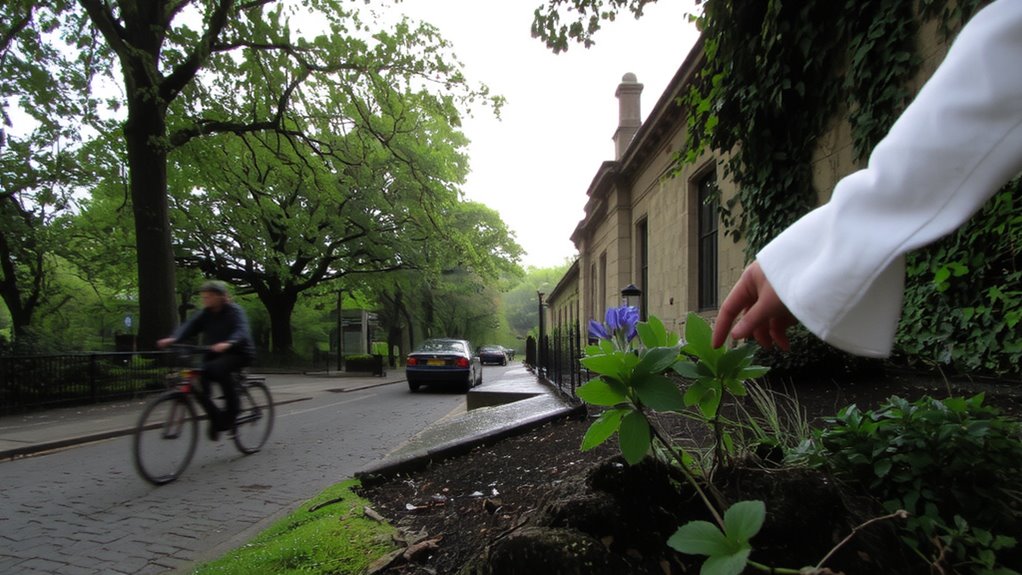
Cities aren’t just concrete and traffic-they’re full of edible plants growing in parks, vacant lots, and along sidewalks, offering a real alternative to wild harvesting. You can find urban abundance where others see neglect. These plants thrive without cultivation, reducing the need to forage in vulnerable rural areas. Urban foraging leverages existing landscapes, requiring no replanting or irrigation. The movement supports concrete resilience by turning overlooked spaces into productive zones. You’re not restoring nature-you’re using what’s already adapted. There’s less environmental cost compared to rural harvesting, which often involves travel, disruption, and overuse. You’ll get similar yields with lower impact. Plants in cities face pollution, so site selection matters. Test soil when possible and avoid high-traffic edges. This isn’t ideal, but it’s practical. Cities provide consistent, accessible sources year after year, making them a measurable, scalable option for sustainable foraging.
Common Urban Edible Plants Hiding in Plain Sight
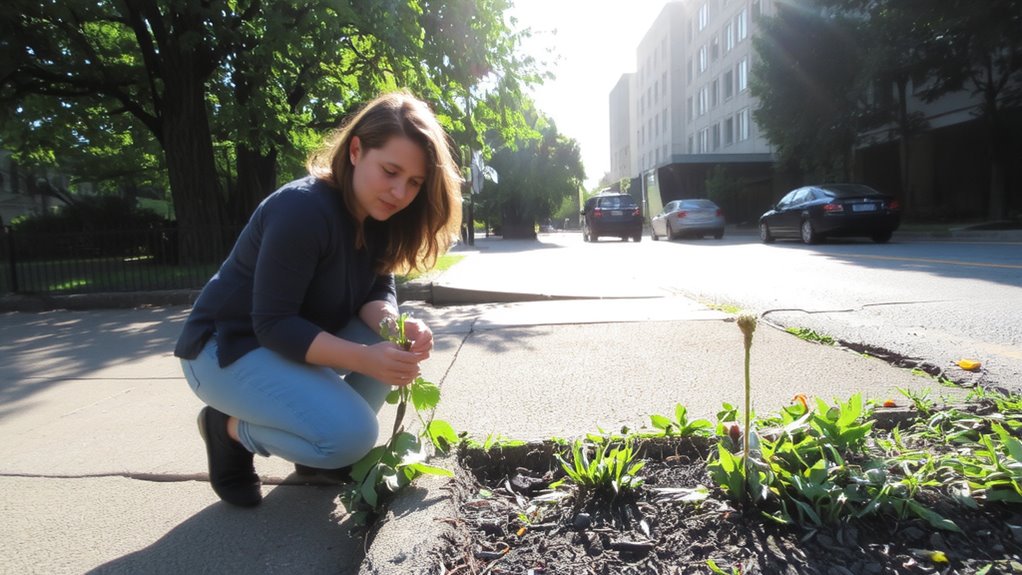
Dandelion, chickweed, and plantain-these aren’t lawn weeds to pull and discard. They’re common urban edible plants you can harvest with minimal risk and effort. You’ll find these urban weeds thriving in sidewalk cracks, vacant lots, and even parks. They’re resilient, often needing no care to grow, making them reliable food sources. Pavement herbs like clover and purslane also appear in disturbed soils, offering edible leaves and seeds. They tolerate compacted ground and pollution better than many cultivated plants. Most require simple identification: dandelions have jagged leaves and bright yellow flowers; plantain shows broad, ribbed leaves in rosettes. Chickweed has slender stems with tiny white blooms. These species appear year-round in mild climates, providing consistent foraging options. You don’t need special tools-just know what you’re picking. Their widespread presence reduces pressure on rural ecosystems by shifting harvests into cities.
Foraging Safely and Legally in Cities
You’ve spotted dandelions pushing through sidewalk cracks and noticed purslane thriving in vacant lots-now you need to know where and how you’re allowed to pick them. Foraging safety starts with avoiding polluted areas; don’t harvest near busy roads, industrial sites, or treated lawns. Stick to areas with visible, healthy growth and confirm plant ID with 100% accuracy-mistakes can be dangerous. Legal boundaries vary: public parks often prohibit foraging, while some city ordinances allow it on private land with permission. Always check local regulations before picking. Sidewalk weeds may be fair game in some towns but not others. Respect signage and private property. Gloves and a clean bag help maintain hygiene. Testing soil for contaminants is wise if you’re unsure. Know the rules, assess risks, and harvest responsibly-your health and legal standing depend on it.
How City Foraging Helps Protect Wild Plants
While you’re gathering edible weeds from city sidewalks and abandoned lots, you’re also giving wild ecosystems a break. By harvesting dandelions, purslane, and other common urban plants, you reduce demand for wild-harvested species, supporting plant conservation. This shift helps maintain ecosystem resilience in rural areas where overforaging threatens native populations. You’re not just finding food-you’re making a choice that protects fragile habitats.
| Urban Spot | Common Forage |
|---|---|
| Vacant lot | Lamb’s quarters |
| Roadside strip | Chickweed |
| Park edge | Wild onions |
These plants thrive in disturbed soils, requiring no cultivation. Your foraging in cities redirects pressure away from remote woodlands and meadows. You don’t need to travel far or risk depleting rare species. Choosing urban sources is practical, sustainable, and directly supports broader plant conservation. It’s a small action with measurable impact on ecosystem resilience.
Share Foraging Knowledge Responsibly
Sharing what you’ve learned about foraging can boost community awareness and protect plant populations, but only if done thoughtfully. You should practice ethical sharing by disclosing locations carefully-overexposure leads to overharvesting. Avoid posting geotags or exact addresses online; limit specifics to trusted groups. Share plant identification tips clearly, emphasizing look-alikes and safety checks. This supports knowledge preservation across seasons and generations. Use workshops or printed guides to pass on skills that aren’t dependent on digital access. Teach others to harvest no more than 10–15% of a plant patch, leaving enough for regeneration. Prioritize common species, not rare or at-risk ones. Your guidance shapes behavior-frame foraging as stewardship, not exploitation. Measured, responsible teaching guarantees urban foraging remains sustainable. Short-term gains aren’t worth long-term depletion. Lead by example: accuracy, restraint, and respect matter most.
From Sidewalk to Supper: Cooking With Urban Foraged Foods
A basket of freshly gathered dandelion greens, chickweed, and garlic mustard sits on the counter-now what? You’ve practiced seasonal harvesting, so these plants are at their peak nutrition and flavor. Rinse them well-urban foraged foods can carry pollutants. Use dandelion greens in a bitter, bright salad or sauté with garlic. Chickweed’s mild taste works in sandwiches or soups. Garlic mustard, pungent when raw, mellows when cooked-add to pesto. Focus on simple urban recipes that require minimal ingredients but maximize nutrition. These plants are nutrient-dense, free, and reduce strain on rural ecosystems. However, accuracy in identification is non-negotiable-mistakes risk health. Always forage away from heavy traffic and sprayed areas. Cooking reduces some risks but doesn’t eliminate contaminants. Weigh the benefits of free, local food against potential exposure. Urban foraging works best when treated as a practical supplement, not a trend.
On a final note
You can reduce strain on rural ecosystems by foraging in cities instead. Urban areas host dandelion, chickweed, and mulberry-common, renewable resources growing without cultivation. Harvesting them follows the same ethical rules: take only what you need, avoid polluted zones, and never strip a site bare. Sharing knowledge responsibly guarantees practices remain sustainable. City foraging isn’t risk-free, but when done legally and carefully, it offers a measurable alternative that protects wild plant populations while providing real, usable food.