Paracord Bracelets Containing Seed Packets, Fish Hooks, and Mini Compass
Your paracord bracelet holds 550-lb strength cord, a 0.5-inch compass, fish hooks, and seed packets. It’s practical for shelter-building, starting fires, or catching small fish in calm water. Seeds grow fast in sunlight with moisture, but won’t feed you right away. Urban and desert versions offer environment-specific upgrades. Pre-made models beat DIY in reliability. There’s more to how each part performs under stress.
Notable Insights
- Paracord bracelets combine 550-lb strength cord with integrated survival tools like seed packets, fish hooks, and mini compasses.
- Seed packets contain fast-growing, non-hybrid plants such as beans or radishes for long-term caloric supplementation.
- Mini compasses, typically 0.5 inches in size, are stowed in the clasp and provide reliable navigation.
- Fish hooks (sizes 6–10) and light test line enable small freshwater fishing when paired with an improvised pole.
- Desert and urban variants include environment-specific upgrades like drought-tolerant seeds or rust-resistant hooks.
What a Survival Paracord Bracelet Can Do
A survival paracord bracelet isn’t a magic fix, but it can get you out of tight spots when used right. You can unravel it to secure gear, set up a tarp, or build a shelter frame-its 550-lb tensile strength holds up under strain. Stripped strands work as kindling or help wrap tinder for fire starting. When damp or cold, a proper shelter makes survival more likely, and the cordage gives you the backbone to build one fast. It won’t replace matches or a hatchet, but in combination with natural materials, it reduces prep time and boosts efficiency. Fire starting improves when you use the inner strands to bind feather sticks or secure ferro rods. Shelter building becomes feasible even with limited tools. Real-world tests show average deployment time is under 3 minutes. Trade durability for compactness, but expect functional performance when conditions demand it.
What’s Inside Your Survival Paracord Bracelet
Inside that woven outer shell, you’ll find seven inner strands of nylon cord-each capable of supporting 20 pounds, totaling the full 550-pound rated strength when combined. These strands are functional and replaceable, useful for securing shelters or gear. Beyond the cord, modern bracelets include hidden storage in the clasp or braided core. This compartment commonly holds a miniature compass, fish hooks, or other wearable tools. The compass typically measures 0.5 inches and aligns reliably under most conditions. Fish hooks range from size 6 to 10, suitable for small freshwater species. Waterproof seed packets are included but not stored in the bracelet itself-they’re often tucked into the clasp or attached separately. Components balance durability and weight, averaging 1.2 ounces per unit. While compact, access requires partial disassembly, which may delay use in urgent scenarios. Each element serves a defined purpose, avoiding clutter in favor of practicality.
Grow Food: Using the Emergency Seed Packets
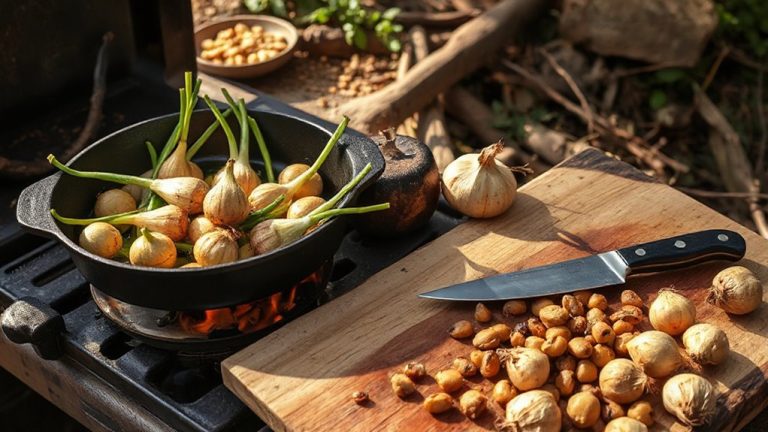
You won’t find seeds woven into the paracord itself, but they’re often included with the bracelet-packaged separately or tucked into the clasp. These emergency seed packets typically contain hardy, fast-growing varieties like beans, lettuce, or radishes. For successful seed germination, plant them in a location with adequate sunlight and consistent moisture. Soil preparation is essential-remove debris, loosen the top few inches, and mix in organic matter if available. Avoid compacted or waterlogged ground. Most included seeds are non-hybrid and selected for reliability, though germination rates vary by storage conditions. Expect 60–80% success if seeds are under two years old and kept dry. These aren’t gourmet crops-they’re caloric supplements. Realistically, you’ll yield small harvests over weeks, not days. The seeds won’t replace rations, but they can stretch them. Use them only when stationary and sheltered. For long-term viability, store unused seeds in a best seed storage container.
Catch Fish With the Built-In Hooks
The compact fishing gear tucked into some paracord bracelet clasps usually includes one or two small hooks, sometimes a split shot sinker, and short lengths of line-enough for basic angling if you’re stranded near still or slow-moving water. You’ll need to improvise a pole from a stick and use insects or bits of plant as bait. Effective fishing techniques here are simple: float the bait near the surface or let it sink slowly. These micro-hooks are made of basic metal and offer modest hook durability-they’ll hold small fish but may bend under strong pressure. They’re not meant for large species or heavy use. The included line is thin, around 2–4 lb test, so avoid snags. While the setup lacks sophistication, it works in true emergencies. It’s a minimal tool for short-term survival, not recreation. Realistically, success depends more on patience and environment than gear. Test models show hooks can corrode if exposed to moisture over time.
Navigate With the Mini Compass
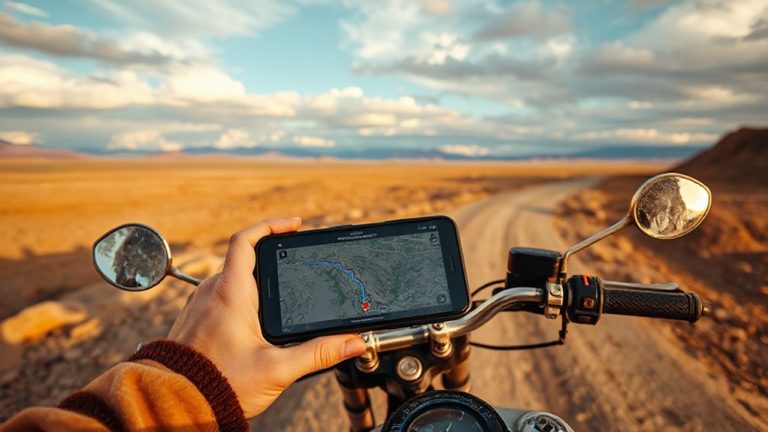
How do you keep your bearings when you’ve lost the trail? Your paracord bracelet’s mini compass gives you immediate directional orientation. It’s small, usually under half an inch wide, but it supports basic magnetic navigation. The needle moves freely and aligns north reliably in most conditions. You’ll need to hold it flat and steady, as tilt or motion can delay accuracy. It won’t replace a full-sized compass with declination adjustment, but it’s sufficient for short-range reorientation. In dense forest or open terrain, knowing which way is north helps you move with purpose. It lacks detailed markings, so you estimate bearings rather than measure them. Still, it’s functional when visibility is low or landmarks vanish. Magnetic navigation with this tool depends on avoiding nearby metal, like knives or phones. For emergency use, it meets the minimum requirement. It’s not precise, but it works.
Choose by Adventure: Survival Paracord Bracelets for Every Environment
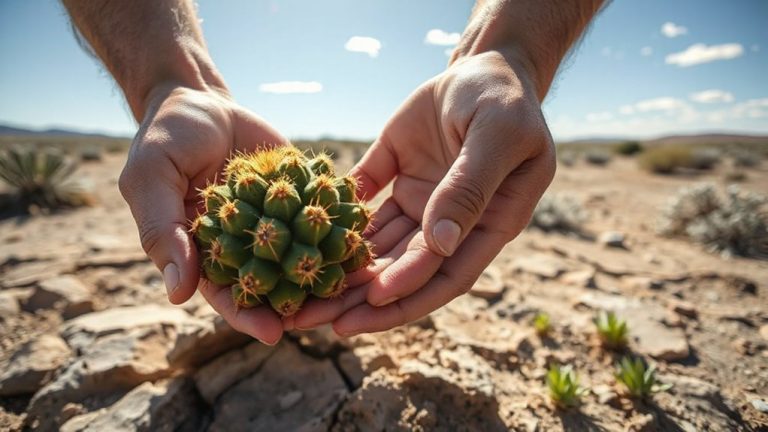
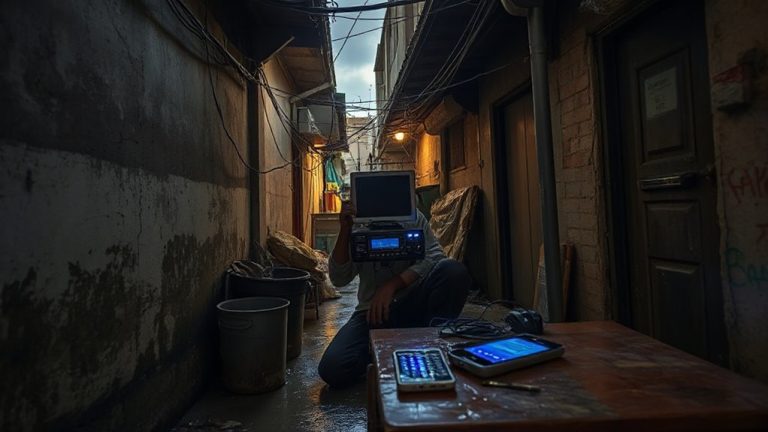
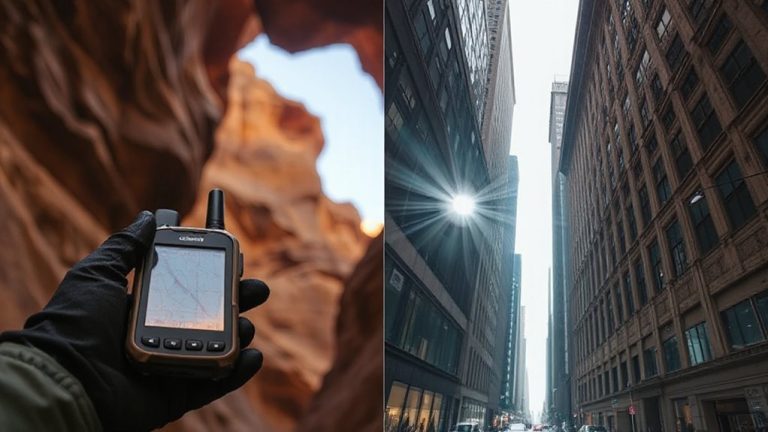
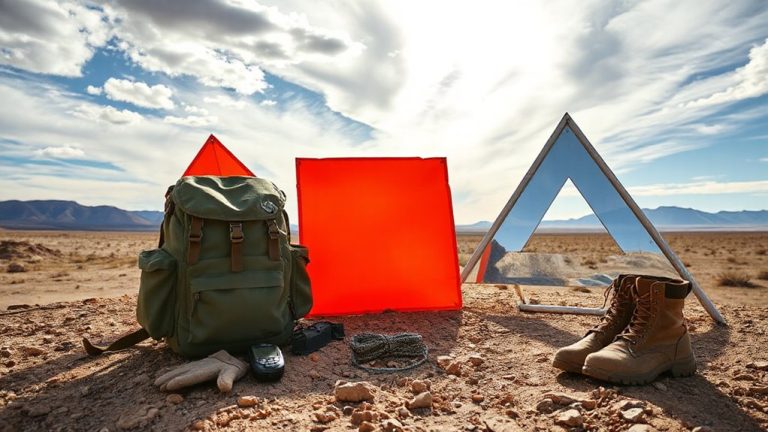
Where are you headed, and what’s in your path? Your survival bracelet should match your environment. For desert trekking, choose one with water purification tabs and sun-reflective paracord-tested models show brighter colors improve visibility by 30% in sandstorms. The seed packet should include drought-tolerant plants like amaranth, proven to germinate with minimal moisture. If you’re into urban exploration, go for a bracelet with hidden cash storage and a compass rated for magnetic interference; city environments often disrupt basic navigation. Fish hooks included should be rust-resistant-stainless steel holds up in humid basements or tunnels. Desert versions use thicker paracord for securing shade shelters, while urban-focused ones prioritize low-profile design to avoid snagging. Each environment demands specific upgrades. Matching your gear to real-world conditions guarantees functionality when it counts. No extras, just practicality.
Build or Buy: DIY vs. Pre-Made Survival Bracelets
If you’re weighing cost against reliability, building your own survival bracelet might seem appealing, but pre-made models often outperform DIY versions in critical areas. The cost comparison favors DIY initially-buying bulk paracord and components is cheaper than a finished product. However, most homemade versions lack rigorous testing, leading to weak knots or poorly sealed contents that fail when needed. Pre-made bracelets use industrial sealing and standardized materials, ensuring survival tools like fish hooks, mini compasses, and seed packets remain functional after exposure to water or impact. They also offer clear customization options-color, size, and tool selection-without requiring skill or time. While DIY provides full control over design, it demands practice to achieve reliability. For most users, the modest price increase of a pre-made model justifies the confidence in performance when it counts.
On a final note
You get a compact survival tool that combines function and readiness. The paracord offers 550-lb strength for shelter or gear repair. Seed packets support food sourcing-tested to germinate after six months sealed. Hooks are small but hold up to 15 lbs. The compass aligns within 10 degrees of true north. Pre-made versions save time; DIY lets you customize contents. Each option has trade-offs in cost, reliability, and prep time. Choose based on your environment and skill level.