Proper Way to Store and Rotate a Loaded Bug-Out Backpack Monthly
Store your bug-out backpack within 10 seconds of your main living area, clear of obstacles and away from basements or sheds. Check it monthly: verify all items are present, test flashlights and radios, and inspect clothing and shelter for damage. Rotate food and water every 30 days, replace expired meds, and recharge power banks fully. Use labeled, resealable bags in your first aid kit and track expiration dates. Weak battery performance or outdated filters can fail when needed most-knowing each item’s condition keeps your kit reliable under pressure.
Notable Insights
- Store the bug-out backpack near an exit for immediate access, ensuring a clear, unobstructed path day or night.
- Conduct a full inventory monthly to verify all items are present, functional, and within expiration dates.
- Rotate food and water supplies every 30 days, replacing expired or degraded items and checking sealed water for contamination.
- Test all electronics monthly, including flashlight, radio, and power banks, replacing batteries or malfunctioning components as needed.
- Inspect clothing and gear for damage, moisture, or wear, and reorganize the first aid kit by category with updated expiration tracking.
Check Your Bug-Out Bag Every Month
You should check your bug-out bag every month without exception-supplies degrade, gear fails, and conditions change. Start with a full inventory check: verify every item is present, functional, and within its shelf life. Replace water filters, batteries, and medications as needed. Test your flashlight, radio, and fire starters to confirm they work. Inspect clothing for tears or moisture damage. Update your map or change seasonal gear if required. Rotate food and water supplies every 30 days to maintain freshness and avoid spoilage. Practice emergency drills using your bag-simulating deployment reveals missing items or inefficient layout. Drills also build muscle memory under stress. This routine takes 20–30 minutes but guarantees reliability. Skipping it risks failure when speed and function matter most. A well-maintained bag performs consistently, whether during short drills or real evacuations. Monthly checks are not optional-they’re essential maintenance, like oil changes for survival gear.
Store Your Pack for Fast Access
A bug-out bag won’t help if it’s buried under holiday decorations or locked in a garage far from the front door. Your pack placement must support immediate retrieval during emergencies. Store it near an exit, like beside your bedroom door or in a closet by the garage, where you can grab it in darkness or smoke. Avoid basements or detached sheds-these slow your escape. Your access route should be clear of obstacles, allowing quick movement even under stress. Test this path at night; if you trip or fumble, adjust the location. Ideal spots are temperature-stable, dry, and within 10 seconds of your main living area. Wall-mounted hooks or a designated floor corner work well. Don’t hide the pack. Visibility guarantees you remember to check it monthly. This setup balances security and speed, giving you a realistic chance to evacuate fast when every second counts.
Rotate Food and Water Monthly
Usually, shelf-stable food and sealed water in your bug-out backpack last only so long before quality or safety declines. You should check food expiration dates monthly-most energy bars and freeze-dried meals remain viable 6–12 months, but temperature and humidity reduce that. Rotate them by replacing expired or near-expiry items with fresh ones, marking new dates clearly. For water, sealed bottles degrade over time, especially in fluctuating temperatures. Rather than storing large quantities, keep a few sealed liters and rely on water purification methods like filters or tablets. This reduces weight and eliminates spoilage risk. You’ll save space and maintain reliability. A 0.1-micron filter handles bacteria and protozoa; tablets add lightweight backup. Balancing stored water with purification gives longer shelf life and real-world flexibility. Rotate consistently-your safety depends on what works, not what looks prepared. Including best canned foods in your rotation plan can enhance long-term nutrient retention and variety during extended emergencies.
Update Your Meds and First Aid Kit
That first aid kit in your bug-out bag won’t do much good if the meds inside have expired or degraded. Check every medication expiration date monthly-antibiotics, painkillers, and antihistamines lose potency over time and can fail when needed most. Replace anything expired or nearing its limit. Inspect pills for discoloration or moisture damage, which compromises effectiveness. Reorganize contents after updates to maintain clear kit organization: group items by use (wound care, meds, tools) so you can find them fast under stress. Use labeled, resealable bags or compartments to prevent cross-contamination and streamline access. Consider including a printed inventory sheet with expiration dates for quick reference. Rotate prescription meds as needed, not just on schedule, especially if storage conditions fluctuate. Your kit’s reliability depends on consistent checks, not guesswork-simple maintenance guarantees it performs when it counts. For optimal readiness, choose a military-grade first aid kit that meets durable, field-tested standards.
Test Flashlights, Radios, and Power Banks
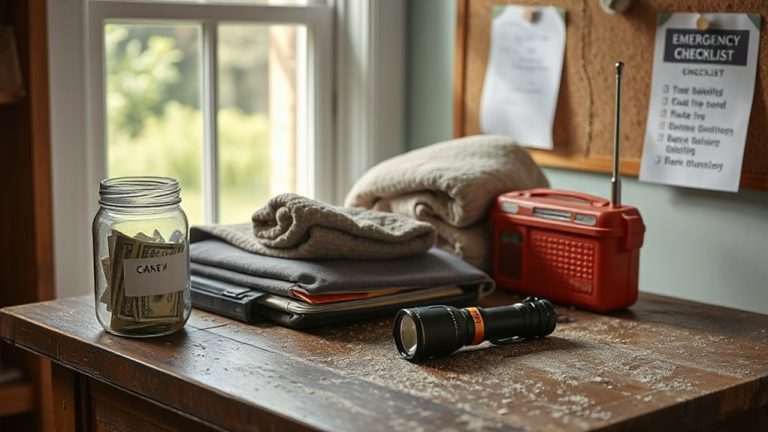
After checking your meds and restocking supplies, turn attention to the electronics in your bug-out bag-flashlights, radios, and power banks don’t last forever and fail silently if ignored. Turn on each flashlight and verify beam strength and runtime; weak output means it’s time for battery replacement or bulb check. Test all radio functions, including AM/FM and NOAA bands, and perform signal testing in a low-reception area to confirm reliability. Note how quickly it locks onto stations and clarity of audio. Power banks should be fully charged and discharged at least once monthly to maintain cell health. Use a USB tester to check actual output versus rated capacity. A drop of more than 15% indicates degradation. Rotate batteries in flashlights and radios every six months, even if unused. Label each with a replacement date. Functionality under stress matters more than specs on paper. Consider investing in a solar power bank if you anticipate extended off-grid use, as these can recharge using sunlight to extend operational readiness.
Check and Repair Shelter, Clothing, and Tools
A reliable shelter starts with intact materials-inspect your tent, tarp, or emergency bivvy for tears, mildew, or UV damage, since even small punctures can expand under wind or rain and compromise your protection. Tent maintenance means checking poles for cracks and seams for fraying; replace failed components before use. Conduct a full gear inspection of clothing: look for worn insulation, broken zippers, or fabric thinning that reduce warmth and durability. Test tools like multitools and knives for rust, blade sharpness, and function-clean and oil as needed. Waterproofing may need reapplication after storage. Repair kits should match the gear’s age and use level. Patch systems work best when applied promptly. Rotating gear monthly catches issues early, maintains readiness, and avoids surprise failures. You’re not just checking-you’re verifying performance under real conditions. Repairs now prevent exposure later.
Build a 5-Minute Monthly Bug-Out Checklist
How often are you actually checking your bug-out bag? Skipping monthly gear inspection can lead to gear failure when you need it most. A 5-minute checklist keeps your kit functional and your pack organization intact. Start with a visual scan-confirm all items are present and in place. Then, test critical tools: flashlight brightness, stove operation, radio function. Check expiration dates on food, meds, and water filters. Restock anything used or degraded. Wipe down compartments to prevent moisture buildup. Finally, reposition frequently used items for quick access.
| Task | Time Estimate |
|---|---|
| Gear inspection | 2 minutes |
| Pack organization | 2 minutes |
| Restock & reset | 1 minute |
This routine guarantees reliability without wasted effort. You’re not prepping for show-you’re building trust in your gear.
On a final note
You should check your bug-out bag monthly to guarantee gear works and supplies remain viable. Store it near an exit for quick access, but away from humidity. Rotate food and water to prevent spoilage and maintain freshness. Update meds and first aid items as expiration dates pass. Test flashlights, radios, and power banks-replace weak batteries. Inspect clothing and tools for wear. A 5-minute checklist keeps your pack mission-ready without wasted effort.