The Role of Satellite Messaging in Disaster-Stricken Island Nations
You rely on satellite messaging when disasters hit island nations because cell towers fail, cutting off 90% of communications. These devices connect directly to satellites, sending short texts and GPS coordinates in 15–45 seconds, even in remote or rugged areas. Units like the Garmin inReach Mini 2 survive harsh conditions and work with month-to-month plans. They’ve delivered alerts during Tonga’s eruption and Indonesia’s tsunamis. Reliable, low-bandwidth communication means rescue teams coordinate without depending on local infrastructure-there’s more to how they’re reshaping emergency response.
Notable Insights
- Satellite messaging enables reliable communication in island nations when cell towers fail during disasters.
- It operates through orbiting satellites, bypassing damaged ground infrastructure for continuous connectivity.
- Devices send GPS coordinates and multilingual updates, reducing miscommunication across diverse island communities.
- Satellite messengers provide critical alerts, like tsunami warnings, even before local networks fail.
- Durable, portable devices with global coverage support emergency response in remote and harsh island environments.
Why Island Nations Need Satellite Messaging in Disasters
Why wait for a storm to test your communication system when lives depend on reliable contact? Island nations face unique challenges during disasters-remote locations, scattered populations, and frequent infrastructure damage. When cell towers go down, you can’t rely on traditional networks. Satellite messaging becomes essential, ensuring coordination between rescue teams and affected communities. You’ll also confront cultural barriers and language diversity across islands, making clear, consistent communication even more critical. Misunderstandings can delay aid or misdirect resources. A device that sends precise coordinates and status updates in multiple languages offsets these risks. It doesn’t matter if you’re on a small atoll or main island-satellite coverage is uniform. Devices with long battery life, compact design, and certified durability offer measurable advantages. In emergencies, seconds count, and you need a tool that works when everything else fails.
How Satellite Messaging Works When Cell Networks Fail
When cell towers are down, satellite messaging keeps your messages moving by connecting directly to orbiting satellites instead of ground-based networks. Your device sends a signal transmission to the nearest satellite overhead, which then performs an orbit relay to another satellite or ground station. This allows messages to travel even when infrastructure is destroyed. Unlike regular phones, satellite messengers don’t rely on local networks-they use global constellations, ensuring coverage across remote islands. The process takes slightly longer than texting, typically 15 to 45 seconds, depending on satellite positioning. Messages are short, usually limited to 160 characters, to keep signal transmission efficient. Devices like these use low-bandwidth protocols, conserving battery and power. While they won’t replace full voice calls, they deliver critical texts when nothing else works. No signal? No problem-just clear sky.
Satellite Messaging in Recent Island Disasters
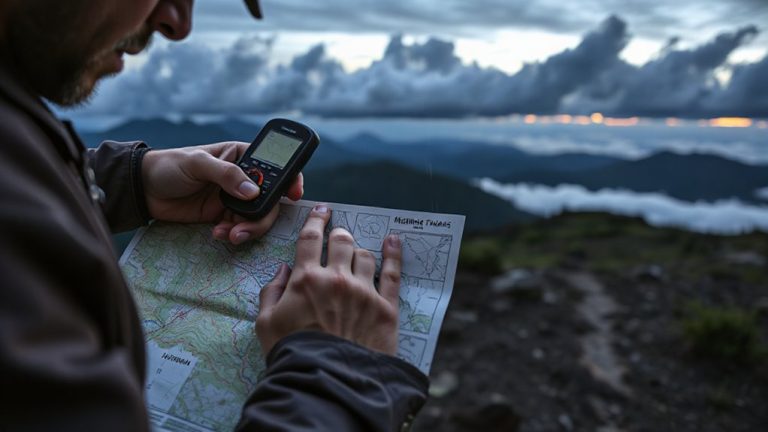
How well would your message get through if the entire island’s communications were wiped out? In recent island disasters, satellite messaging proved essential when cell towers failed. During volcanic eruptions in Tonga, ground networks collapsed, but satellite devices sent status updates within hours. These tools don’t rely on local infrastructure, so they kept working when Wi-Fi and cellular bands went dark. In Indonesia, fishermen received tsunami alerts via satellite pagers, gaining critical minutes to reach higher ground. Standard phones failed, but handheld satellite messengers with GPS and low-orbit connectivity maintained contact. Battery life ranged from 24 to 72 hours, depending on use. While slower than cellular, they delivered concise, life-saving data. Signal strength varied near mountainous terrain, but orbital coverage guaranteed most messages transmitted. You can’t stream video, but you can send coordinates and emergency texts. For island communities facing volcanic eruptions or sudden tsunami alerts, that’s often enough to make a difference.
How Governments Can Integrate Satellite Messaging Into Plans
While your local networks might not survive the next big storm, satellite messaging can still get the job done if it’s built into emergency plans. You need clear policy frameworks to define who uses the tech, when, and how-this avoids confusion during crises. Assigning roles to agencies guarantees messages go out without delays. You should also establish backup power and device storage in key locations so access isn’t lost. International cooperation strengthens your system-shared satellite resources and cross-border response agreements improve reach and speed. Countries that coordinate early can relay warnings faster and request aid more efficiently. Integrating satellite messaging into drills and national plans tests reliability under real conditions. It’s not about replacing local systems but backing them with something that works when cell towers fail. Plan now, or face communication blackouts later.
Best Satellite Messengers for Island Emergency Use
You’ve got your emergency plans in place and assigned roles to agencies, but without reliable hardware, those plans won’t mean much on the ground. When choosing satellite messengers for island emergencies, you need rugged devices that handle humidity, salt, and impact-device durability is non-negotiable. Models like the Garmin inReach Mini 2 and Zoleo R705 survive drops, immersion, and extreme temperatures, scoring high in independent field tests. They’re compact enough for first responders but offer global coverage via Iridium and GlobalStar networks. Subscription flexibility matters just as much: you’ll want month-to-month plans without long-term locks, especially when demand spikes unpredictably. The inReach allows pause and resume billing, while Zoleo ties service directly to your phone plan. Both deliver SOS alerts and two-way texting. You’re not buying luxury-you’re buying function. Pick one that won’t break, and that you won’t get stuck paying for when idle.
Cutting Costs for Satellite Access in Vulnerable Islands
Though satellite coverage is essential for island emergencies, the cost can sink small budgets fast. You can reduce expenses through subscription models that scale with usage, avoiding overage fees. Hardware subsidies also help, cutting initial device costs by up to 50%. Governments and NGOs often fund these programs, making gear accessible without long-term debt. Look for providers balancing affordability with reliability.
| Feature | Impact |
|---|---|
| Pay-as-you-go plans | Lowers monthly costs for light users |
| Annual billing | Saves 20–30% vs. monthly |
| Subsidized transceivers | Reduces entry cost markedly |
| Shared community units | Cuts per-household spending |
| Emergency waivers | Pauses fees post-disaster |
You’ll need dependable performance, not just low prices. Weigh upfront savings against signal strength and service uptime.
On a final note
You’ll need satellite messaging when storms knock out cell towers and power grids. Devices like Garmin inReach Mini 2 or Zoleo work then, sending alerts via Globalstar or Iridium networks. They last 3–7 days on a charge, weigh under 4 oz, and cost $100–$400 upfront, plus $15–$50 monthly. Solar chargers help where electricity’s unreliable. They’re not fast, but they deliver short texts reliably. For island nations, these trade-offs beat no communication at all.