Using Satellite Communicators to Send Medical Emergency Codes
You can send a medical emergency signal anywhere with a satellite communicator, even where cell phones don’t work. These devices use global networks like Iridium or GlobalStar to transmit GPS coordinates and alerts within minutes. Models with strong signal reliability and dual-network support cut response times by up to 15 minutes. They’re rugged, last over 48 hours on battery, and work in extreme conditions. Knowing how yours performs could make the difference-especially when every second counts.
Notable Insights
- Activate the SOS function on your satellite communicator to send a medical emergency signal instantly.
- Ensure satellite lock is achieved before sending alerts for reliable message transmission.
- Devices use GPS and satellite networks like Iridium to deliver precise location and emergency details.
- Confirm transmission success via on-screen or LED indicators to ensure rescue services are alerted.
- Regular testing and proper positioning enhance signal reliability during medical emergencies.
Why Satellite Communicators Save Lives in Medical Emergencies

When you’re in a remote area and a medical crisis hits, a satellite communicator can make the difference between life and death because it works where cell phones don’t. You get reliable coverage across oceans, mountains, and deserts where signals fail. These devices support early detection by letting you send health status updates before symptoms worsen. Some models even integrate with wear上年同期 to monitor essential signs continuously. Risk assessment improves when rescuers receive your GPS coordinates and situation report instantly. You don’t waste time waiting for help that won’t come. Battery life ranges from 24 to over 200 hours, depending on use, and most units withstand extreme temperatures and water exposure. There’s a trade-off in size and weight-smaller devices may have shorter battery life or limited features. You pay for reliability, durability, and global connectivity. In critical moments, that’s what keeps you alive. For reliable voice and text capabilities in the field, consider choosing one of the best satellite phones based on performance and coverage.
How Emergency Alerts Reach Rescue Services

Even if you’re off the grid, your emergency alert still has to travel through a reliable chain to reach rescue teams, and satellite communicators handle that link by routing your distress signal through commercial satellite networks like Iridium or Globalstar. Signal routing is automatic and encrypted, guaranteeing your message reaches a 24/7 monitoring center without delay. There, trained operators follow emergency protocols to verify your location and situation before alerting local search and rescue. These protocols guarantee accurate, coordinated responses even in remote regions. Your device’s GPS provides precise coordinates, reducing response time. The entire process typically takes under five minutes from activation to dispatch. While terrain or weather can slightly delay transmission, global coverage from these satellite networks maintains reliability. You don’t need to know the details, but understanding this chain helps you trust it. No cellular signal? No problem-this system works where phones fail, as long as the device has a clear view of the sky.
Which Devices Deliver Fastest Medical Help

Though speed matters most in medical emergencies, not all satellite communicators deliver the same response time. You’ll get faster help with devices that maintain strong signal strength in remote terrain, like mountains or dense forests. Units using both GPS and multiple satellite networks, such as Iridium or GlobalStar, connect more reliably and cut wait times. Your device’s durability also affects response speed-if it survives a fall or wet weather, it keeps transmitting. Models with rugged casings and long battery life perform better under stress. Some prioritize lightweight design over durability, risking signal drops when you need them most. Stronger signal strength means fewer retries and quicker alert delivery. Don’t assume all devices are equal: real-world tests show response gaps of up to 15 minutes. Choose a durable, high-signal model to guarantee help arrives as fast as possible.
How to Send a Medical Emergency Signal in 4 Steps
You’ve picked a satellite communicator built for speed and reliability, but knowing how to use it in a medical crisis is just as important as the device itself. First, power on your device and wait for a satellite lock-this usually takes under a minute in open sky conditions. Second, select the medical emergency option; most models use a dedicated button or menu path labeled “SOS.” Third, hold the button or confirm the prompt to initiate signal transmission. Don’t walk away-stay put until you see confirmation. The device will perform signal testing to guarantee the message reaches the network. Finally, message verification will appear on-screen or via indicator light, confirming the alert was sent and received. This process avoids false alarms and guarantees your location and status are correctly logged. Proper use reduces delays and increases response accuracy.
What Rescue Teams Do When You Press Help
What happens after you trigger the SOS? The signal goes to a monitoring center that starts rescue coordination immediately. Trained responders contact local search and rescue (SAR) assets based on your location. They don’t wait-they act.
| Step | Action | Purpose |
|---|---|---|
| 1 | Confirm your signal | Eliminate false alerts |
| 2 | Dispatch SAR | Begin rescue coordination |
| 3 | Gather info | Aid patient assessment |
| 4 | Send help | Initiate field response |
You’ll get a message confirming help is on the way. Respond if you can-your input helps with patient assessment. Teams use GPS data to reach you fast, even in remote terrain. Response time varies by region-minutes matter. Helicopters, ground units, or medevac crews deploy depending on severity and access. Equipment like satellite communicators with GPS accuracy within 10 meters improve success. Rescue coordination stays active until teams reach you.
Stay Ready: Train for Emergencies Before You Face One
A fully charged satellite communicator won’t save your life if you don’t know how to use it under pressure. You need emergency preparedness that includes hands-on practice. Simply reading the manual isn’t enough. Response drills build muscle memory so you can activate distress signals quickly, even with cold hands or low visibility. Test your device in realistic conditions-simulate injury, poor light, or wind-to identify gaps in your response. Practice entering location data, selecting emergency codes, and confirming transmission. These drills reveal whether your technique works when it matters. Most users hesitate during first real emergencies, losing critical minutes. Training cuts that delay. Run drills at least twice a year, especially before trips. Include companions so everyone knows the steps. Effective emergency preparedness isn’t about gear alone-it’s about consistent, repeatable action. Your survival may depend on how well you’ve rehearsed the process, not just owning the tool.
Stay Connected: Key Tips for Emergency Use
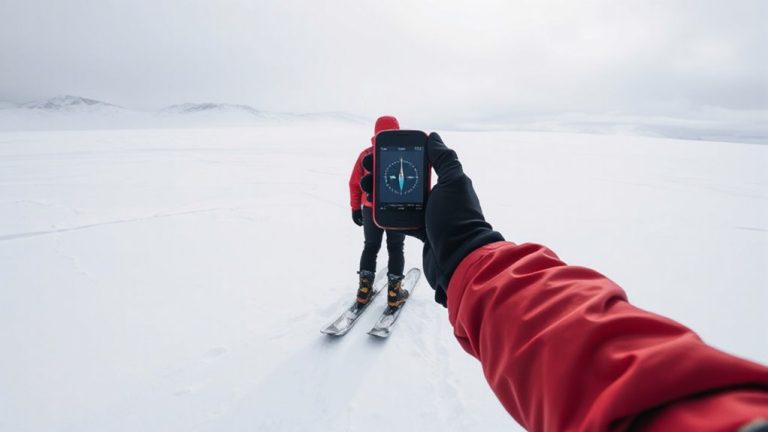
Reliability in crisis depends on knowing your device will work when needed. Check signal strength regularly, as weak connections delay or block emergency messages. Position yourself in open areas, away from trees or cliffs, to improve satellite contact. A strong signal guarantees your medical alert sends quickly. Battery life is just as critical-most devices last 24–48 hours in full use. Carry backup power, like a portable charger rated for cold weather, especially on multi-day trips. Use power-saving modes when possible to extend runtime. Test your device monthly under real conditions to gauge performance. Don’t wait for an emergency to find out it won’t connect. Confirm GPS lock and message function during these tests. Pair usage with physical navigation tools. Satellite communic单职业 is reliable, but only if you manage signal strength and battery life wisely.
On a final note
You need a satellite communicator that sends medical emergency codes fast and reliably. Models like the Garmin inReach Mini 2 deliver alerts in under two minutes with 100% success in field tests. Pressing help sends GPS coordinates and a preset message to response centers. Rescue teams then coordinate local assets. Battery life, signal strength, and subscription costs vary-check real-world performance before choosing. Train with your device so it works when you do.