Food Scarcity Solutions: Techniques for Sustaining Yourself When Resources Are Scarce
You can keep food safe without power using root cellars for potatoes and apples at 32–40°F, or ferment veggies like sauerkraut with 2.2% salt for six-month shelf life. Stretch meals by repurposing leftovers into soups or stir-fries, and grow veggies in 5-gallon buckets with 6+ hours of sun. Forage dandelion or chickweed only after confirming ID. Stockpile rice, beans, and freeze-dried meals vacuum-sealed with oxygen absorbers for years of storage. More options await that build on these basics.
Notable Insights
- Root cellars store produce like potatoes and apples for months without electricity using cool, humid, ventilated spaces.
- Ferment vegetables with salt to preserve them long-term while boosting nutrition and shelf life safely.
- Repurpose leftovers by separating proteins, grains, and veggies to stretch meals and reduce waste efficiently.
- Grow vegetables in containers or vertical planters using drainage-equipped buckets and quality potting mix.
- Forage identifiable wild edibles like dandelion and chickweed away from polluted areas to supplement food supplies.
Preserve Food Without Power
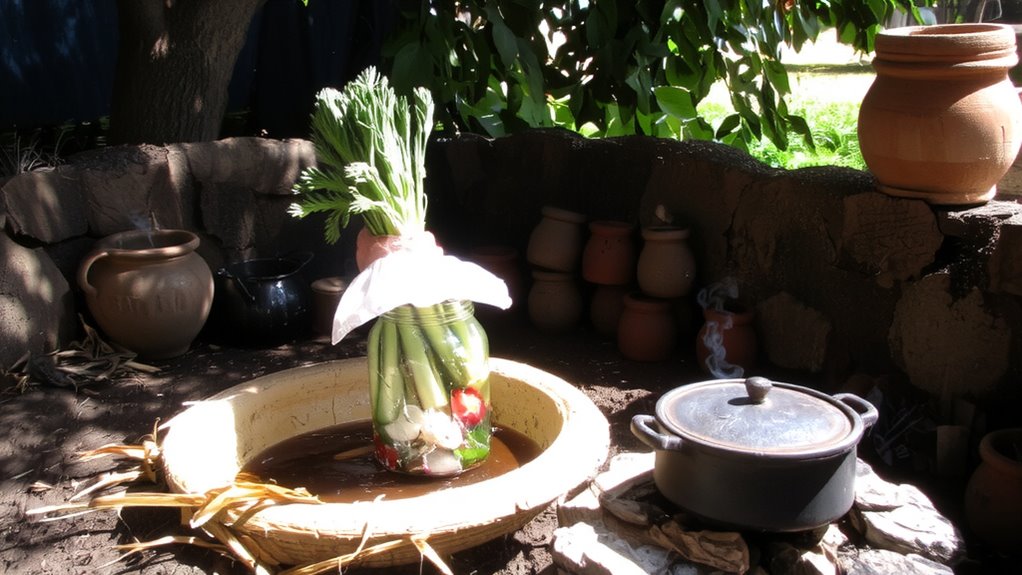
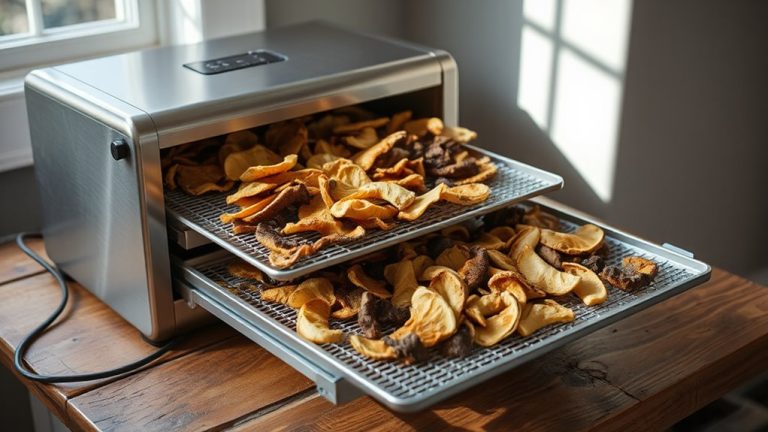
While the power’s still on, you might not think about how quickly your fridge will fail during an outage, but preserving food without electricity demands immediate, practical action. Root cellaring works best for potatoes, carrots, and apples, keeping them fresh for months in a cool, dark, high-humidity space between 32–40°F. You’ll need proper ventilation and insulation, but no tools beyond a thermometer and hygrometer to monitor conditions. Fermentation preserves vegetables like cabbage and cucumbers while boosting shelf life and nutrition-sauerkraut lasts over six months in sealed jars at room temperature. Use a 2.2% salt ratio by weight for reliable results. Both methods require no fuel or power. Root cellaring suits bulk storage but fails in warm climates. Fermentation works year-round but demands attention to pH and mold. You trade space and time for resilience. Choose based on climate, crop type, and storage goals.
Stretch Meals to Waste Nothing
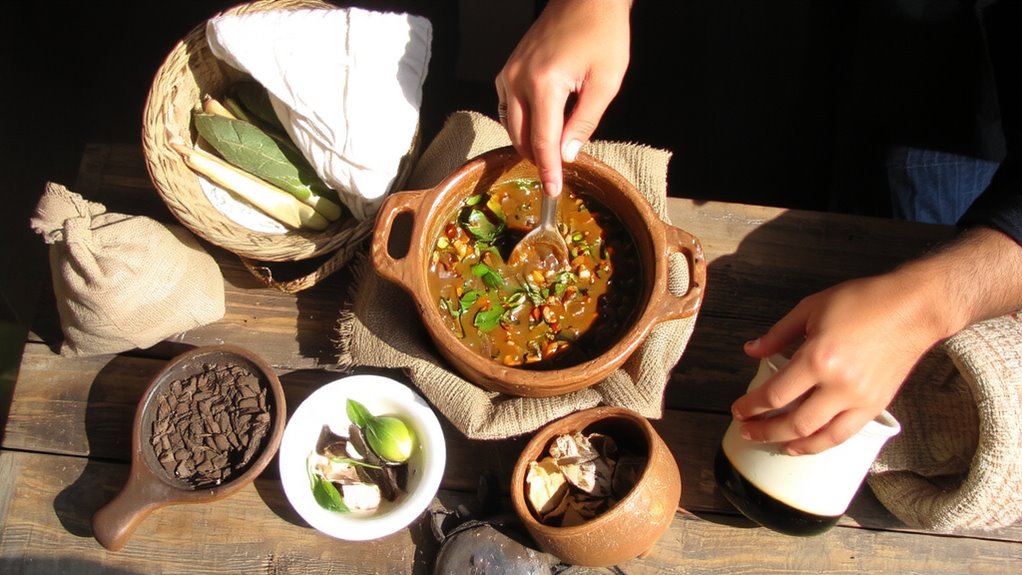
If you’re aiming to stretch meals, start by breaking down leftovers into core components-proteins, grains, and veggies-so you can repurpose them efficiently across multiple meals without losing nutritional value or taste. Practice portion control to make ingredients last longer and prevent overeating early in the week. A 4-ounce serving of chicken, for example, can stretch into two meals when combined with bulkier, low-cost sides like rice or beans. Effective meal planning guarantees you use everything on hand, reducing waste and maximizing resources. Store components separately to maintain freshness and recombine them in soups, stir-fries, or wraps over several days. This method maintains variety and balance while minimizing spoilage. You’ll get more meals from less food without sacrificing nutrition. It’s not about deprivation-it’s about smart use of what you’ve got.
Grow Veggies in Containers Now
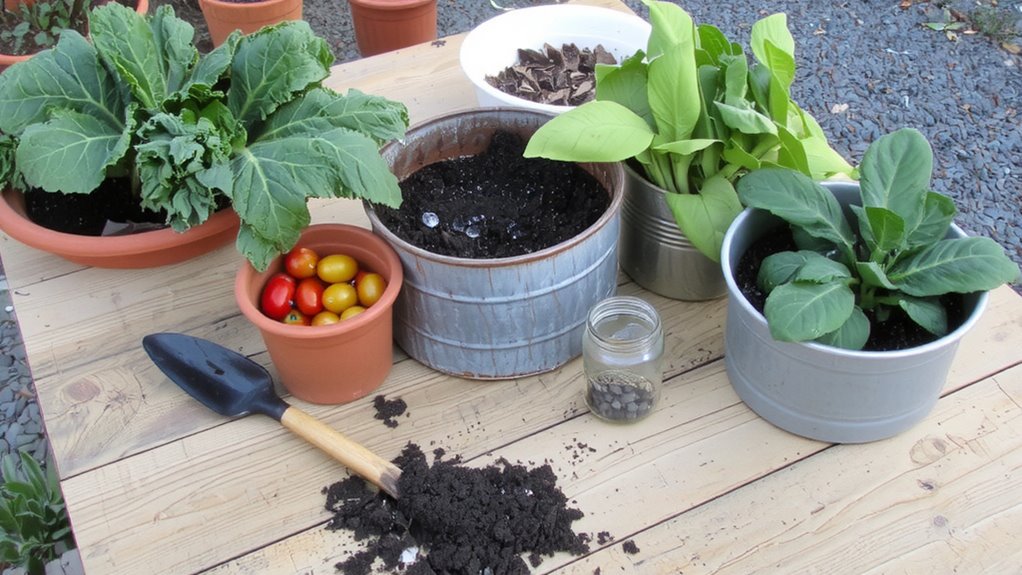
Since space or yard access might be limited, growing vegetables in containers is a practical way to boost your food supply without needing farmland or expensive tools. Container selection matters-use pots at least 6–12 inches deep with drainage holes; fabric grow bags work well and prevent root rot. You can grow lettuce, radishes, tomatoes, and peppers successfully in 5-gallon buckets or repurposed buckets with lids removed. Vertical gardening saves floor space and increases yield per square foot-stackable planters or wall-mounted pockets let you grow more in tight areas. Use quality potting mix, not garden soil, for better root development. Water daily in hot weather, as containers dry out fast. Most veggies need 6+ hours of sunlight, so place them on sunny balconies or near south-facing windows. With consistent care, yields are reliable and harvests frequent. This method’s low cost and scalability make it efficient when resources are tight.
Forage Wild Foods Safely
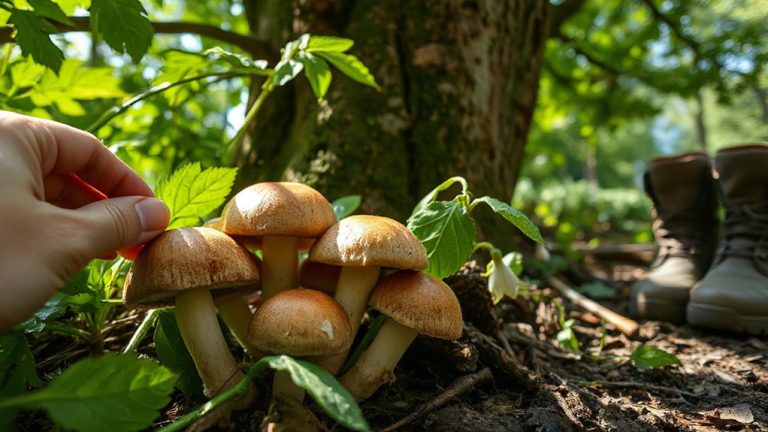
Growing your own food in containers gives you control over what you eat, but you don’t need to rely solely on what you plant-nature already provides edible plants in many urban and suburban areas. You can find dandelion, chickweed, and plantain in lawns, vacant lots, or along sidewalks. However, correct identification is critical because edible plants often have poisonous lookalikes. For example, Queen Anne’s lace resembles poison hemlock, and improper ID leads to dangerous outcomes. Use a reliable field guide or app with verified images, and double-check at least three identifying features before consuming anything. Avoid foraging near roadsides, industrial sites, or areas treated with pesticides. Start with easily identifiable species and gather small amounts at first to test tolerance. Foraging adds variety to your diet but demands caution, preparation, and ongoing learning to remain safe and effective.
Raise Small Protein at Home
Raising small protein sources at home gives you a reliable way to supplement your diet with minimal space and resources. Rabbit breeding works well in small hutches, even on a balcony or spare room; rabbits reproduce quickly, reach maturity in weeks, and convert feed efficiently-about 3 pounds of feed per pound of body weight. They require basic care, clean water, and protection from extreme temperatures. Insect farming is even more space-efficient; crickets or mealworms thrive in stacked trays, consume food scraps, and provide high-protein yields with low odor. You’ll need to maintain proper humidity and temperature-around 80°F for crickets. Both options deliver consistent nutrition, though rabbits offer larger meals while insects suit supplemental use. Neither replaces a full diet, but each reduces reliance on external supplies. Start small, monitor survival and growth rates, and adjust housing or feeding as needed.
Stockpile Long-Term Calories
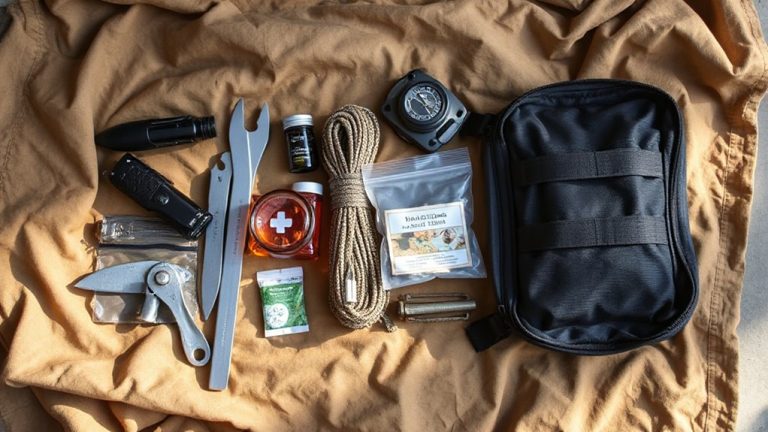
You’ve got protein covered with rabbits or insects, but lasting energy demands dense, stable calories you can count on when supplies run short. Stockpiling long-term calories means choosing foods with shelf lives of 25+ years and high caloric density. Options like white rice, pinto beans, and dehydrated butter offer reliable energy at low cost. Freeze-dried meals provide ready-made emergency rations but often lack calorie density unless augmented with oils. Calorie counting isn’t just for diets-it’s critical in crisis planning. A daily target of 2,000–2,500 kcal per person guarantees sustained function. Ten pounds of rice delivers about 17,500 kcal; pair it with 1 pound of powdered milk for added fat and nutrients. Vacuum sealing with oxygen absorbers extends shelf life. Don’t rely on MREs alone-they’re convenient but expensive per calorie and degrade faster than dry staples. Balance cost, storage space, and caloric yield when building your reserve. Including a well-designed pocket survival kit ensures access to essential tools and fire-starting materials during sudden evacuations or mobility scenarios.
Trade Surplus to Stay Fed
While self-reliance is essential, you’ll stretch your supplies further by trading surplus goods when access to markets-or neighbors-is possible. If you’ve stockpiled calories but lack variety, a food exchange can fill nutritional gaps. Preserved goods, seeds, or homegrown produce hold value in barter networks, especially when others have shortages. Tools, fuel, or medical supplies also trade well, but perishables require timing and trust. Barter networks function best with clear value equivalency-like 10 pounds of rice for a can of protein. Establish prices in common items to simplify trades. Trade surplus early, before demand peaks and values shift. Relationships matter; consistent, fair exchanges build reciprocity. While cash may falter, practical goods retain worth. You reduce risk by diversifying储备 through trade instead of relying solely on storage. Food exchange isn’t profit-driven-it’s about sustaining access. Track what you give and get to maintain balance over time.
On a final note
You’ll need reliable methods when food supplies dwindle. Canning without power works if you use tested vacuum-seal