Dealing With Food Poisoning Risks When Sourcing Wild Plants for Survival
You’re risking severe poisoning if you mistake hemlock for wild carrot or nightshade for blueberries-tiny differences matter. Always use a region-specific guide, check multiple features like smell and stem markings, and cross-reference two sources. Never eat anything unless you’re 100% sure. If you’re unsure, skip it-some edible plants also turn toxic with age or location. Mistakes can be fatal. There’s a better way to stay safe in the wild.
Notable Insights
- Learn to identify toxic plant families like Apiaceae and avoid look-alikes with deadly mimics such as hemlock.
- Use a region-specific field guide updated for seasonal changes to accurately identify edible plants.
- Confirm identity by checking multiple features: scent, stem markings, leaf arrangement, and root structure.
- Cross-reference plant identification with at least two reputable sources before considering consumption.
- Perform the universal edibility test and never consume a plant without completing all safety steps.
How Poisonous Plants Hide in Plain Sight
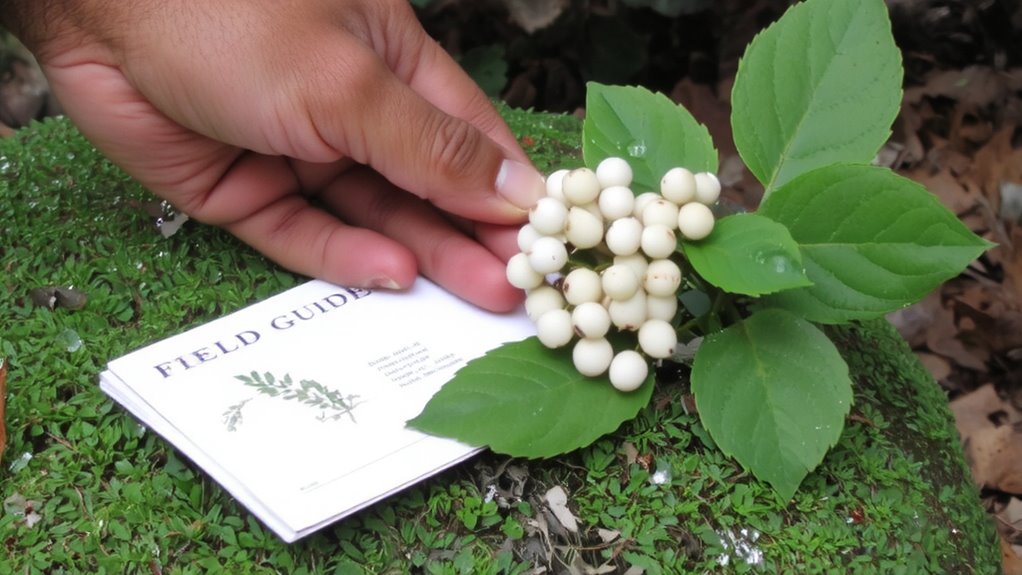
How do some of the most dangerous plants escape notice until it’s too late? Because they rely on mimicry camouflage, looking nearly identical to safe, edible species. You might mistake poison hemlock for wild carrot or fool’s parsley for parsnip-tiny differences can be deadly. These plants blend in so well that even experienced foragers make errors. Seasonal confusion worsens the risk: a harmless-looking plant in spring could develop toxic compounds by summer. Leaves, stems, and growth patterns shift, making accurate ID harder over time. Relying on memory or vague visual cues isn’t enough. You need clear, up-to-date reference materials and should cross-check multiple features-like stem texture and leaf arrangement-before consumption. Misidentification rates drop markedly when you verify habitat, smell, and growth stage. No shortcut replaces deliberate, repeated confirmation. Your safety depends on precision, not assumption.
10 Deadly Plant Imposters (and How to Spot Them)
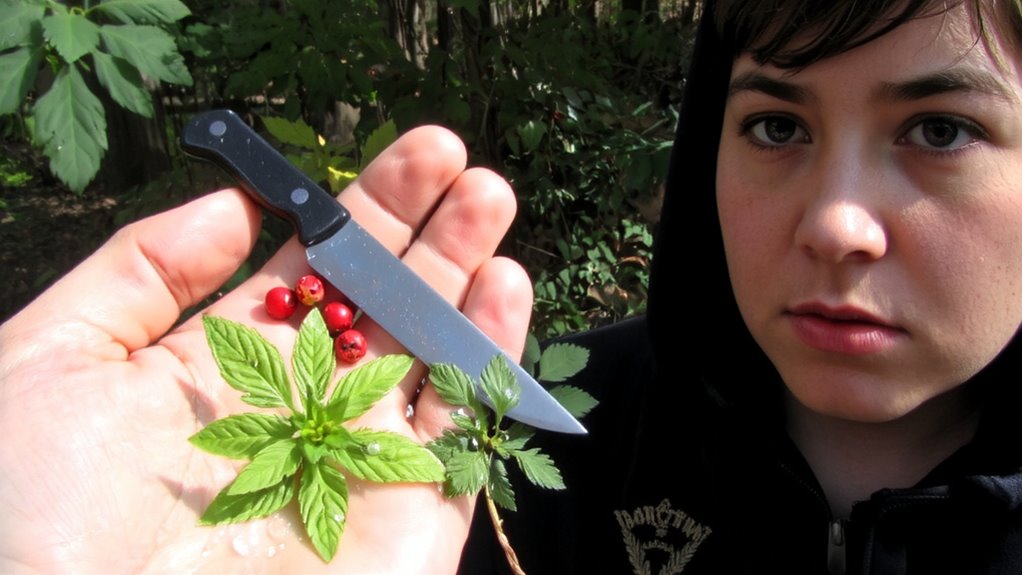
Why do some wild plants look safe when they’re actually lethal? Because deadly imposters mimic edible species through mistaken identity. Seasonal variations in color, shape, or leaf pattern can further trick you. Knowing the differences isn’t optional-it’s survival.
| Edible Plant | Imposter | Key Difference |
|---|---|---|
| Wild Garlic | Lily of the Valley | Garlic smells; lily doesn’t |
| Cow Parsnip | Poison Hemlock | Hemlock has purple-spotted stems |
| Blueberries | Deadly Nightshade | Nightshade berries shiny, grow in clusters |
| Young Nettle | Urtica dioica (same) | No true imposter, but look for stinging hairs |
Mistaken identity kills. Always verify traits across seasons-some plants shift appearance. For example, hemlock resembles parsley in spring but gains distinctive markings later. Relying on memory or partial traits fails in stress. Use physical markers, not guesswork. There’s no margin for error when survival’s on the line.
Use These 4 Steps to Identify Wild Plants Safely
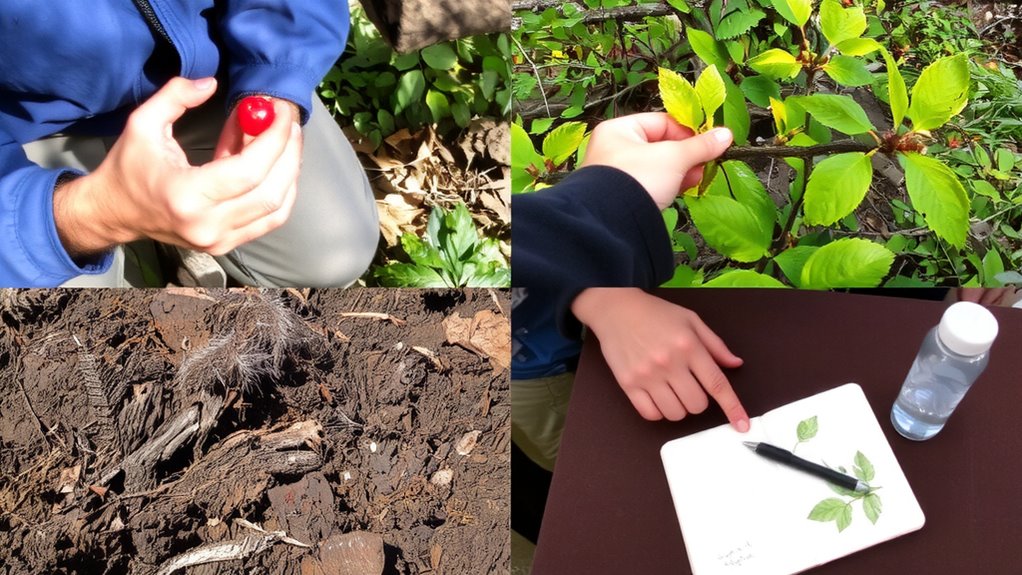
While it might seem tempting to rely on photos or apps, nothing beats hands-on verification when identifying wild plants for edibility. Start by learning plant taxonomy-knowing families like Apiaceae or Solanaceae helps you rule out toxic relatives quickly. Use a field guide specific to your region, updated for seasonal variations, since leaf shape, color, and size can change with the months. Check multiple features: stem structure, leaf arrangement, scent, and root type. Cross-reference at least two reputable sources before making a call. Misidentification risks increase in spring and fall due to overlapping growth stages. Always note habitat-some edible plants only grow near wetlands or rocky slopes. When in doubt, leave it out. Practical experience trumps digital tools. Consistent use of these four steps reduces poisoning risks and builds reliable foraging judgment over time.
Test Unknown Plants Before You Eat Them
What if the plant you just picked could make you seriously ill? You can’t always rely on appearance alone, even after careful identification. Before consuming any unknown plant, conduct a universal edibility test. Start by fasting for several hours. Then, place a small portion of the plant part on your skin, like the inside of your wrist, and wait 15 minutes to check for any skin reaction. If none occurs, touch it to your lips for another 15 minutes. If still no irritation, chew a tiny piece during a taste test-don’t swallow. Hold it in your mouth for 8 minutes. If you feel burning, itching, or swelling, spit it out and rinse your mouth. No adverse reaction? Swallow and wait eight hours. Only proceed if no symptoms appear. This method reduces risk, but it’s not foolproof.
Edible Wild Plants You Can Trust (If Identified Right)
Dandelion, chickweed, and cattail top the list of wild plants you can eat confidently-once you’ve verified their identity. You’ll find dandelions nearly everywhere, from lawns to roadsides, thanks to their regional abundance. All parts are edible, but taste best in spring and early summer-seasonal availability matters for palatability. Chickweed grows in moist, shaded areas and is rich in vitamins; it’s available in spring and fall. Cattails thrive in wetlands and offer starchy roots and tender shoots, most useful in late spring and summer. Regional abundance means you’re likely to find them, but misidentification risks are real. You need to cross-check leaf shape, smell, and growth pattern. Rely on field guides with clear images, not apps or memory. Even trusted plants demand accurate ID-no shortcuts. Seasonal availability affects nutrition and texture, so time your harvest right.
When Wild Plants Are Too Risky to Harvest
You’ve learned which wild plants you can trust when identified correctly, but knowing when to walk away matters just as much. You shouldn’t harvest near roads, industrial sites, or agricultural fields due to environmental contamination from heavy metals, pesticides, or runoff. Even edible species absorb toxins, making them unsafe. Seasonal toxicity is another risk-some plants, like pokeweed or rhubarb leaves, become poisonous at certain growth stages. Young shoots may be edible, but mature leaves or roots can sicken you. If you’re unsure about recent pollution events or plant maturity, skip it. In urban or disturbed areas, risks outweigh benefits. When survival isn’t immediate, erring on the side of caution prevents illness. Trusting unreliable sources or guessing on timing introduces avoidable danger. Harvest only when you’re confident about both identification and safety conditions.
What to Do If You Eat a Poisonous Plant
If you accidentally eat a poisonous plant, the first step is to stop consuming it immediately and assess your symptoms. Don’t assume you’ll be fine-some reactions are delayed. Watch for nausea, dizziness, or abdominal pain. Never try to induce vomiting unless directed by a professional, as it can worsen damage with certain toxins. Instead, remove any plant residue from your mouth and drink small sips of water. Then, seek medical help right away-even if symptoms seem mild. Use a field guide or photo to identify what you ate, as that helps responders.
| Symptom | Action | Urgency |
|---|---|---|
| Nausea/Diarrhea | Stay hydrated, monitor | Moderate |
| Difficulty breathing | Call emergency services | High |
| Confusion or weakness | Do not wait, seek medical help | Critical |
On a final note
You can survive on wild plants, but only if you stay cautious and precise. Misidentifying plants gets people sick or worse. Use the four-step test, know the deadly imposters, and stick to species you’ve verified. Even reliable plants carry risk if misidentified or harvested in contaminated areas. When in doubt, don’t eat it. Your survival depends on discipline, not luck.