The Importance of Layering Clothing to Regulate Body Temperature in Different Climates
You stay cooler in heat and warmer in cold by layering smartly. A moisture-wicking base layer pulls sweat away, keeping you dry. Insulating mid-layers trap heat when needed but can be shed to prevent overheating. Outer shells block wind and rain without sealing in steam. Merino and synthetics outperform cotton, which holds moisture. Light colors reflect heat; breathability ratings (g/m²/24hr) show real performance. Fit matters-tight layers crush insulation, reducing warmth by up to 30%. There’s more to balance than just warmth or cooling.
Notable Insights
- Layering regulates body temperature by managing moisture, retaining heat, or enabling cooling based on climate demands.
- A moisture-wicking base layer prevents sweat buildup, reducing chill and maintaining comfort in cold and humid environments.
- Mid-layers provide insulation by trapping warm air, with materials like fleece or down suited to dry or wet conditions.
- Outer shells protect against wind and rain while allowing breathability to release excess heat and moisture.
- Avoiding cotton and layering strategically prevents overheating, dampness, and loss of thermal efficiency in all climates.
The 3-Layer Layering System Explained
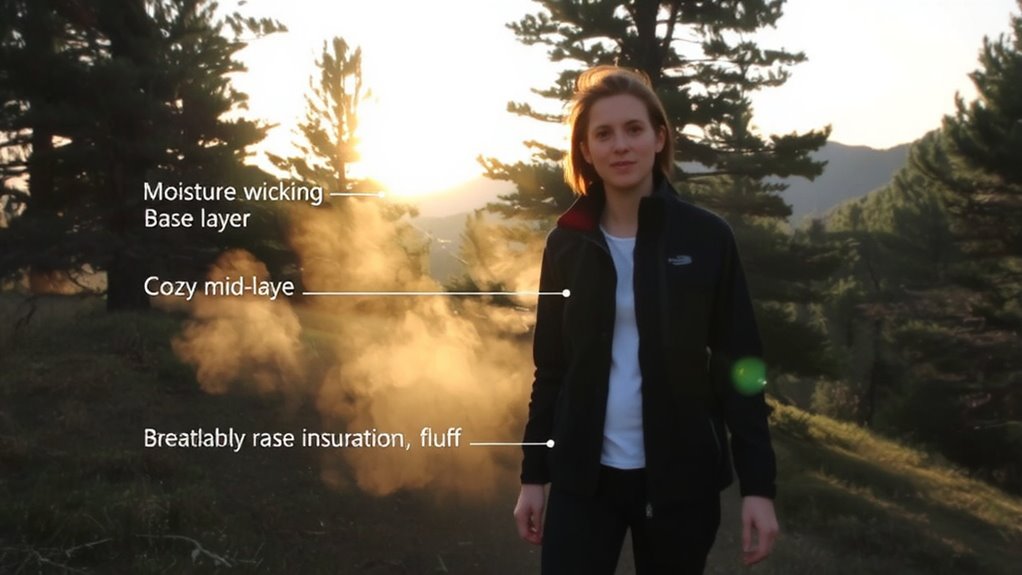
While each layer plays a distinct role, combining them correctly guarantees consistent body temperature across changing conditions. You start with a base layer that manages moisture trapping-critical to avoid chill from sweat buildup. Synthetic or merino wool options move vapor away from skin, maintaining dryness. The mid-layer delivers thermal insulation, trapping heat in still air pockets. Its effectiveness depends on material density and fit; too loose and it leaks warmth, too tight and it compresses fibers, reducing efficiency. The outer shell blocks wind and rain while allowing some breathability to release excess moisture. Together, these layers adapt to activity level and environment. You can add or remove layers to balance heat retention and ventilation. This system works across climates, from alpine cold to damp woodlands, as long as each layer performs its specific task without interference.
Best Fabrics for Effective Layering
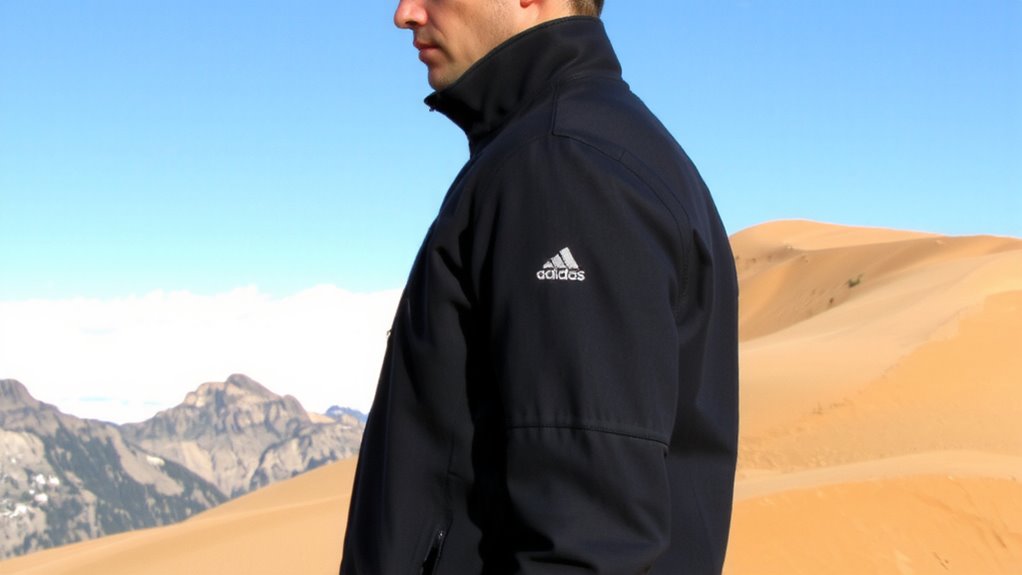
Material choice makes or breaks your layering system’s performance. You need moisture wicking fabrics in your base layer to pull sweat away from your skin, keeping you dry and reducing chill. Synthetic materials like polyester and polypropylene perform well, while merino wool offers natural odor resistance and consistent moisture management. Look for breathability ratings-measured in grams per square meter over 24 hours-to compare how well fabrics allow vapor to escape. High ratings (10,000+ g/m²/24hr) mean better breathability, essential during activity. Avoid cotton; it traps moisture and slows drying. Mid and outer layers should balance insulation with vapor transfer. Nylon and lightweight fleece offer durability with moderate breathability. Always test fabric combinations under real conditions. Trade-offs exist: higher breathability often means less durability. Choose based on your climate and output level.
How to Layer for Cold Weather
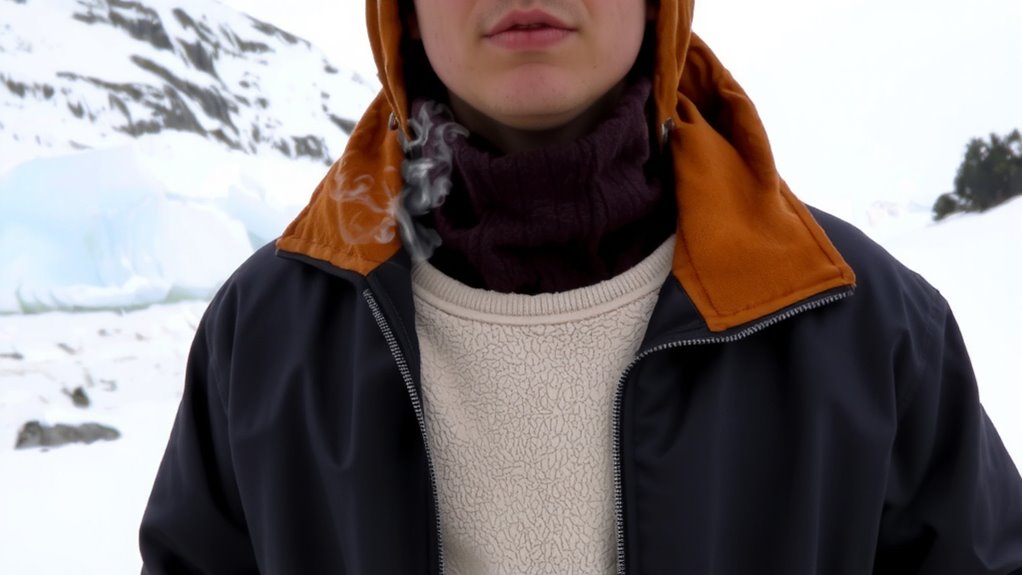
When the temperature drops, your layering strategy needs to manage heat retention and moisture control without overheating. Start with a moisture-wicking base layer-merino wool or synthetic-to keep sweat away from your skin. Add a mid-layer for thermal insulation, like fleece or down; down offers better warmth-to-weight but loses effectiveness when wet, while fleece dries faster and works in damp conditions. Your outer layer must provide wind protection and some water resistance without trapping excess moisture-hard shells with breathable membranes work well. Avoid cotton, as it holds moisture and reduces thermal efficiency. Adjust layers actively: if you start sweating, remove a layer to prevent dampness that compromises warmth. Proper layering balances insulation with breathability, maintaining core temperature during movement while shielding you from wind and cold.
How to Layer for Hot and Humid Climates
If you’re moving through heat and humidity, layering isn’t about trapping warmth but managing sweat and sun exposure without compromising airflow. Start with a base layer made of lightweight, breathable fabric like merino wool or moisture-wicking synthetic-these support moisture management by pulling sweat away from your skin. Add a loose, UPF-rated outer layer that allows ventilation strategies to work: mesh panels, underarm gussets, or zippered vents boost airflow. Avoid cotton; it holds moisture and slows evaporation. Choose light colors to reflect sunlight and reduce heat absorption. Garments should fit loosely to let air circulate but not flap or chafe. In direct sun, a wide-brimmed hat and sweatband add protection without blocking ventilation. The goal is keeping your skin dry and your core cool, not adding insulation. Effective layering in muggy conditions relies on fabric performance and smart construction, not thickness.
Common Layering Mistakes That Affect Comfort
Though you might think more layers mean better protection, piling on clothing without considering function often leads to overheating or restricted movement. Overdressing traps moisture, increasing sweat and discomfort, especially when activity levels rise. That dampness cools too quickly in wind, raising hypothermia risk even in mild conditions. Underdressing, on the other hand, provides insufficient insulation, forcing your body to work harder to maintain core temperature. Cotton is a common mistake-it holds moisture instead of wicking it, making temperature regulation harder. Tight outer layers compress insulating fibers, reducing warmth by up to 30%. You should match layer count to environment and exertion level, adjusting as conditions change. A breathable, moisture-wicking base, mid-layer for insulation, and a ventilated shell offer balanced control. Skipping any layer or misaligning materials compromises comfort and safety.
On a final note
You’ll stay comfortable across climates by using the three-layer system: base, insulation, and shell. It works because each layer has a distinct job-wicking moisture, trapping heat, or blocking wind and rain. Materials matter: wool and synthetics outperform cotton, which retains moisture. Adjust thickness based on activity and weather. Over-layering causes sweat, leading to chill; under-layering risks heat loss. Simple, measured choices beat guesswork when conditions shift.