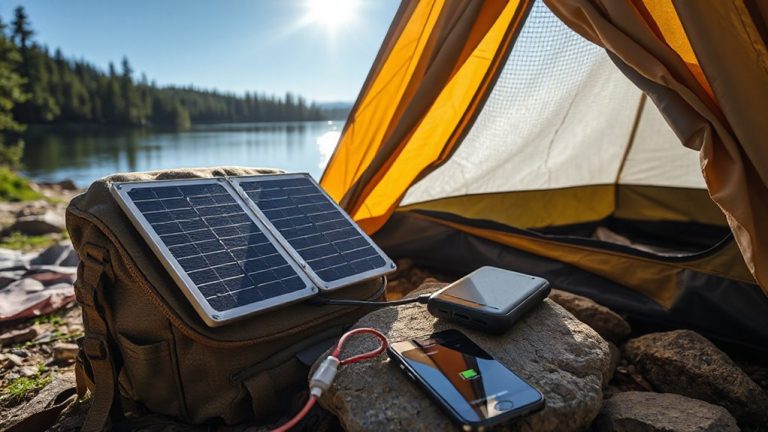
Climate-Specific Challenges: Tailoring Your Approach According to Regional Weather Conditions
You need to match your design to the climate, not just build strong-you’ll waste money and risk failure. In deserts, reflective roofs cut heat by 50°F; in the Arctic, R-60 insulation prevents permafrost thaw. Wind over 25 mph demands anchored barriers, especially on sandy soil. Tropical zones need 2% drainage slopes and vapor barriers. Get the specs wrong, and performance drops fast-understanding your region’s demands changes everything.
Notable Insights
- Wind speeds over 25 mph require erosion barriers rated for high stress, especially in sandy soils with low vegetation cover.
- In deserts, use reflective roofing and passive cooling to combat surface temperatures exceeding 150°F and reduce indoor heat.
- Arctic construction demands R-30+ insulation, elevated foundations, and prefab designs to prevent permafrost thaw and support cold logistics.
- Tropical regions need raised foundations, 2% drainage slopes, and vapor barriers to manage high humidity and monsoon-driven moisture.
- Temperate zones require freeze-thaw-resistant foundations, seasonal vapor control, and materials that maintain performance across fluctuating conditions.
Why Weather Drives Environmental Project Success
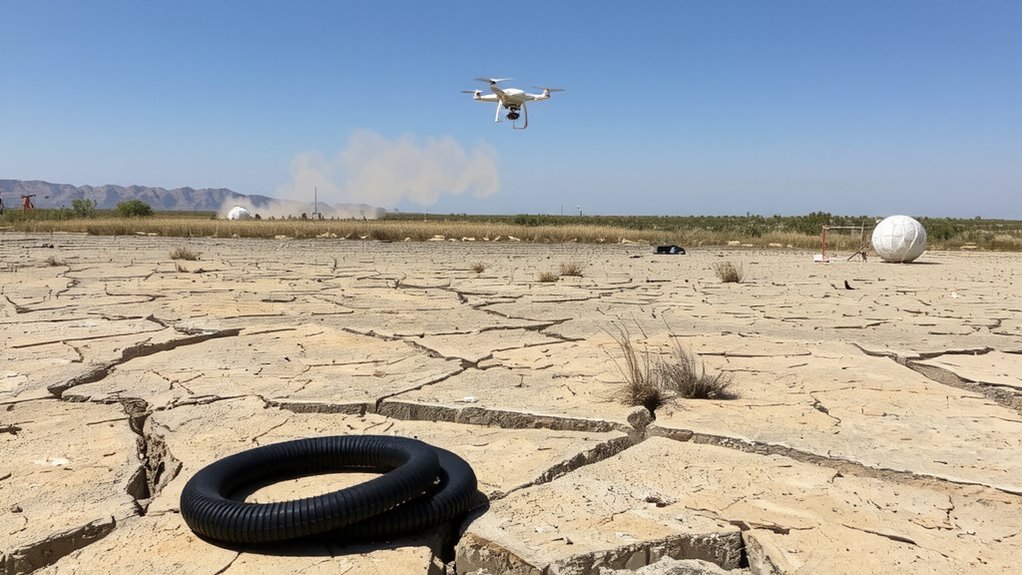
Weather isn’t just background noise-it’s a core factor that determines whether your environmental project succeeds or fails. You’re working with natural systems, not controlled labs, so ignoring wind patterns means you’ll misjudge seed dispersal, pollutant spread, or structural stress. If wind speeds regularly exceed 25 mph at your site, lightweight erosion barriers won’t hold. You need anchored materials rated for those forces. Soil erosion follows directly-unchecked wind removes topsoil fast, especially on exposed ground. A 30% vegetation cover cuts erosion by half compared to bare plots, data shows. You can’t assume one slope stabilizer works everywhere; clay soils resist erosion better than sandy loams under the same wind patterns. Your choice of ground cover, fencing height, or reseeding method must respond to measured wind data and soil type. Otherwise, you’ll spend more, rebuild often, and achieve little. Plan for the weather you have, not the weather you want.
Designing for Desert Heat and Water Scarcity
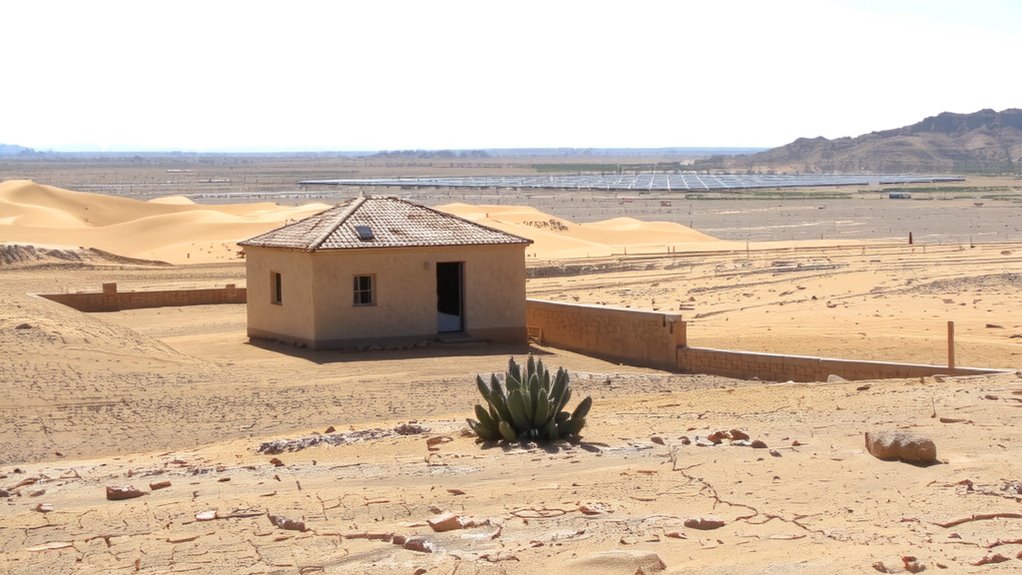
Because desert conditions demand extreme resilience, you’ll need materials and methods proven to survive intense heat and limited water. You can’t rely on standard building practices-surface temperatures often exceed 150°F, accelerating wear and triggering heat stress in both people and systems. Use light-colored, reflective roofing to reduce interior temperatures by up to 50°F compared to dark surfaces. Install shaded ventilation that actively expels hot air, cutting cooling loads. Prioritize passive cooling designs like thick adobe or insulated concrete blocks, which slow heat transfer. Water scarcity means every drop counts, so integrate water recycling from sinks and showers to irrigate drought-tolerant plants. Graywater systems can reduce outdoor water use by 30–50%. Solar-powered shaded structures also limit exposure during peak heat. You’ll face trade-offs-higher upfront costs for durable materials pay off in reduced maintenance and energy use. Test all components under real summer conditions.
Building in Arctic Cold and Permafrost
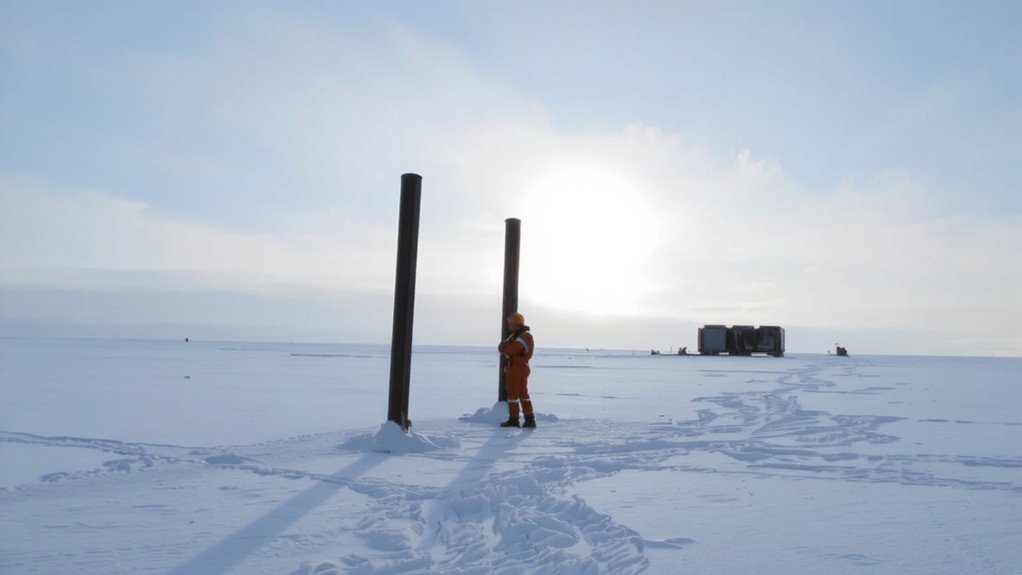
While the cold and permafrost present extreme challenges, you’ll need to design with materials and techniques that prevent heat loss and maintain structural stability in shifting ground. Thermal insulation must exceed standard R-values, typically R-30 in walls and R-60 in roofs, to reduce heat transfer and avoid thawing the permafrost beneath. Use rigid foam or spray polyurethane-materials proven in field tests to retain effectiveness at -40°C. Elevated foundations on screw piles or adjustable piles are essential; they allow airflow under structures and adapt to ground movement, preserving foundation stability. Avoid direct contact between heat-emitting buildings and frozen soil, as even minor thawing can lead to uneven settling. Passive design elements like windbreaks and sun-trap windows help, but rely primarily on tested insulation and secure anchoring. Prefab modular units work well if designed for cold logistics and rapid assembly.
Handling Tropical Humidity and Monsoon Rains
You’ve secured structures against deep freeze and shifting permafrost-now prepare for the opposite extreme: sustained humidity and torrential rains in tropical climates. You’ll need materials that repel moisture, not just resist it-concrete blocks with low water absorption rates outperform standard bricks when tested over monsoon seasons. Mold prevention starts with airflow: raised foundations and cross-ventilated designs reduce trapped moisture by up to 60% compared to sealed layouts. Install vapor barriers on interior walls where humidity regularly exceeds 80%. Drainage optimization is non-negotiable-slope land and paved surfaces at least 2% to route runoff away from foundations. French drains buried 18 inches deep with gravel backfill cut water pooling by 75% in field tests. Roof overhangs should extend at least 24 inches to shield walls from horizontal rain. Galvanized metal roofing sheds water faster than clay tile and resists corrosion. These aren’t upgrades-they’re baseline requirements for survival in wet tropics.
Planning for Seasonal Shifts in Temperate Zones
How do you keep a structure functional when temperatures swing from freezing winters to humid summers? You design for thermal expansion, moisture control, and material resilience. In temperate zones, seasonal shifts mean your building materials face repeated stress. Insulation must maintain R-value across extremes-don’t assume standard fiberglass cuts it. Use vapor barriers to handle condensation during the spring thaw and prevent trapped moisture. Foundations need proper drainage and frost depth considerations to survive freeze-thaw cycles. Exterior cladding should resist both summer humidity and the autumn freeze. Steel framing resists warping better than wood, but it conducts cold-use thermal breaks. Windows rated for U-factor below 0.30 perform well year-round. Sealants degrade faster here, so plan for inspection every two years. Prioritize durability over cost; materials failing in seasonal shifts compromise structural integrity. Test performance under simulated shifts-real-world results matter.
Mitigating Floods, Storms, and Heatwaves
When floodwaters rise or storms hit hard, your building’s survival depends on elevation, material choice, and secure connections. You need flood barriers that seal tightly and withstand pressure-tested models hold up to 3 feet of water. Storm shelters must meet FEMA standards, with reinforced concrete or steel construction. For heatwaves, reflective roofing and proper ventilation reduce indoor temps by up to 20°F. A reliable power source during outages is crucial, and a 7500-watt generator can run essential circuits including sump pumps and HVAC systems.
| Feature | Performance |
|---|---|
| Flood barriers | Block 2–3 ft water, install in <30 mins |
| Storm shelters | Meet FEMA P-320, resist 250 mph winds |
| Elevated foundation | +1–2 ft above base flood level |
| Reflective roofing | Cuts heat gain by 15–20% |
| Sealed windows | Prevent wind-driven rain entry |
Use these tested solutions to protect lives and property-no hype, just proven defense.
On a final note
You need gear that matches your climate’s demands, not just promises. Desert work requires lightweight, UV-resistant materials that reduce heat stress. Arctic sites need insulated, moisture-wicking layers rated to -40°C. Humid tropics demand quick-drying fabrics and corrosion-proof tools. Temperate zones benefit from modular systems adaptable to shifting seasons. Flood-prone areas rely on elevated foundations and water-resistant seals. Choose based on tested performance, not specs alone-real conditions expose weak designs fast.