Body Weight & Metabolic Rate: Impact on Survival Time
Your body weight and metabolism directly shape survival outcomes. Heavier individuals burn more calories moving and generate heat efficiently, aiding short-term cold resilience-each pound of fat adds about 30 minutes in freezing conditions. But high mass increases fatigue, water needs, and overheating risk. A fast metabolism depletes glycogen and fat quickly, worsening starvation. Slower metabolisms conserve energy, extending endurance when food’s scarce. Fat helps in cold, but hurts in heat or long treks. Lean, efficient bodies often last longer overall-especially under prolonged stress. Trade-offs depend on environment, duration, and demands. Choices now affect how long you last later.
Notable Insights
- Excess body weight increases calorie needs and fatigue during movement, reducing endurance in prolonged survival situations.
- Body fat improves cold tolerance by providing insulation and energy, extending survival time in freezing environments.
- Higher metabolic rates deplete glycogen and fat stores faster during fasting, reducing resilience to food scarcity.
- Lean individuals often outlast heavier ones in endurance scenarios due to lower energy demands and better heat dissipation.
- Metabolic efficiency and fat reserves play critical roles in maintaining strength and mental clarity during prolonged calorie deficits.
How Body Weight Affects Survival Odds
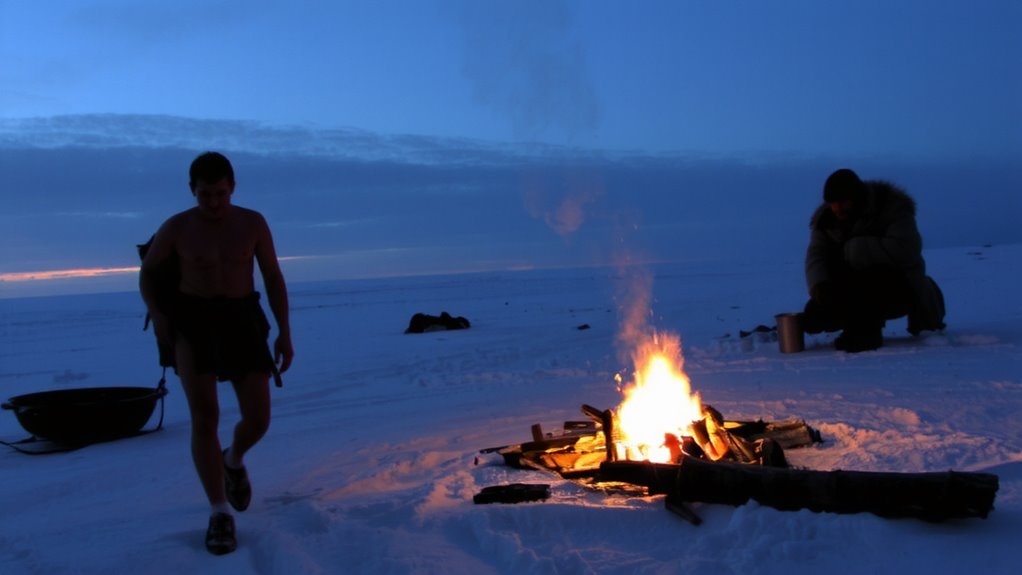
Most people carry more body weight than needed, and that extra mass can work against you when survival depends on efficiency. You’ll expend more calories moving under load, reducing your energy efficiency over long distances or prolonged activity. While some fat improves body insulation in cold environments, too much weight increases fatigue, overheating risk, and water needs. In hot climates, poor heat dissipation becomes a serious liability. Lean individuals often outlast heavier ones in endurance scenarios due to better stamina and lower caloric demands. If you’re heavier, you may start with more reserves, but the trade-off in mobility and cooling can outweigh that benefit. Body insulation matters, but only if you can move effectively. Efficiency trumps stored weight when resources are scarce. Success hinges on balancing insulation needs with the physical cost of carrying extra mass.
Metabolism and Survival Energy Reserves

Energy storage isn’t just about body fat-it’s about how efficiently your body burns fuel when food’s scarce. You rely on metabolic rate to maintain energy balance, adjusting output based on intake. When calories drop, your metabolism slows to conserve reserves, extending survival time. This shift affects nutrient cycling, redirecting resources to essential organs while reducing non-essential functions. Lean mass requires more energy than fat, so higher muscle content increases baseline needs, shortening fasting endurance. Your body taps glycogen first, then shifts to fat and protein-this change impacts strength and clarity. Efficient metabolizers preserve function longer by optimizing fuel use. In survival, a regulated metabolic rate improves resilience, balancing immediate needs with long-term demands. It’s not about size but how well your system manages scarcity. Real-world testing shows those with adaptable metabolism outlast others by days under equal conditions. You need that edge.
Cold Survival: How Body Fat Helps
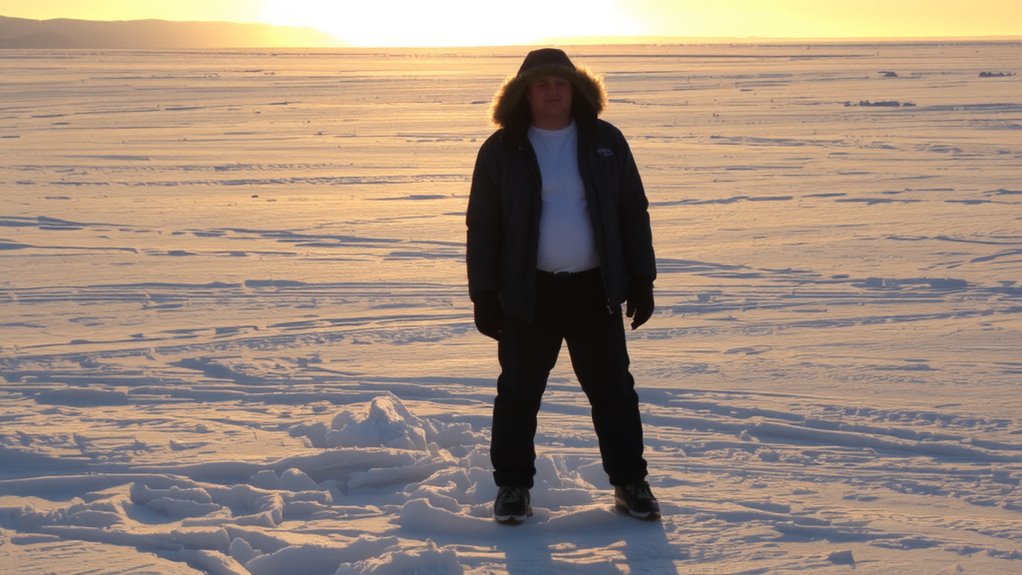
Every extra pound of body fat buys you about half an hour more in freezing conditions. That’s because fat improves insulation efficiency, slowing heat loss to the environment. Your body relies on this stored energy not just as fuel but as a physical barrier against cold. The thicker the fat layer, the better your thermal regulation during prolonged exposure. Unlike muscle or skin, adipose tissue has low thermal conductivity, meaning it traps heat effectively. In survival situations, this can delay hypothermia and extend functional time. While clothing helps, fat provides consistent, internal insulation that doesn’t depend on equipment. Still, it’s not a substitute for shelter or movement-both remain critical. Excess weight does carry trade-offs, like increased fatigue, but in cold scenarios, the metabolic and insulative benefits often outweigh the drawbacks. For cold survival, body fat isn’t just stored energy-it’s part of your thermal system.
Metabolism at Altitude and in Heat
How does your body keep up when heat and altitude push your metabolism into overdrive? At high altitudes, you’re working with less oxygen, so your body compensates by increasing breathing and heart rate. Oxygen efficiency drops initially, forcing your cells to produce energy less effectively. Over days, your body adapts by producing more red blood cells and improving oxygen delivery. In hot environments, your core temperature rises, demanding more energy to cool down. Sweat rates increase, and metabolic demand climbs even at rest. Heat acclimatization takes about 7–14 days, during which your body starts sweating earlier, conserves electrolytes better, and reduces cardiovascular strain. When both heat and altitude are present, metabolic stress compounds. You burn calories faster, hydration becomes critical, and endurance declines. These adaptations aren’t instant-planning must account for lag time. Relying on unproven gear or skipping acclimatization delays risks underperformance when survival depends on consistency.
Why Fast Metabolism Speeds Up Starvation
Even if you’re in great shape, a fast metabolism can work against you when food’s scarce, because the more efficiently your body burns calories, the quicker it depletes stored energy. Your high metabolic rate increases thermogenic inefficiency, wasting energy as heat instead of conserving it. This accelerates glycogen and fat use, leaving you weaker sooner. Nutrient partitioning also shifts-your body prioritizes immediate fuel over long-term storage, reducing resilience. Slower metabolisms, while less efficient daily, preserve energy longer under famine conditions.
| Factor | Fast Metabolism | Slow Metabolism |
|---|---|---|
| Energy Burn Rate | High | Low |
| Thermogenic Inefficiency | High | Low |
| Nutrient Partitioning | Favors use | Favors storage |
How Body Type Affects Survival Without Food
You burn energy faster if you’ve got a lean, muscular build, and that works against you when food’s off the table. Your high resting metabolic rate depletes stores quicker, reducing survival time. Though you benefit from better muscle endurance during physical tasks, that advantage fades as glycogen drops. Without food, your body starts breaking down muscle, undermining strength and performance. Hydration efficiency matters more here-lean individuals often retain water less effectively than those with higher body fat, increasing dehydration risk. Fat acts as both energy reserve and insulation, aiding longer survival in cold stress. But if you’re overweight, mobility and agility may suffer early. Body composition directly impacts how long you can last: fat stores prolong survival, while lean mass speeds decline once fuel runs low. The trade-off isn’t about fitness-it’s about resource availability.
Body Weight and Metabolism: Survival Trade-Offs in Crisis
When calories vanish in a survival scenario, your body weight and metabolic rate become opposing forces shaping how long you last. Higher body weight offers energy reserves, giving body weight advantages during prolonged food scarcity. But if your metabolic efficiency is low, those reserves deplete faster. Slower metabolisms conserve energy, extending survival time. You face a real trade-off: more mass vs. efficient energy use.
| Body Weight | Metabolic Efficiency | Survival Duration |
|---|---|---|
| High | Low | Moderate |
| High | High | Long |
| Low | High | Short-Moderate |
You don’t just need stored fat-your body’s ability to burn it slowly matters. A heavier person with high metabolic efficiency lasts longer than one with rapid energy expenditure. In crisis, it’s not only about how much you carry, but how wisely your body uses it.
On a final note
You carry more body fat, you last longer without food-simple energy math. But that same weight burns hotter in heat, raising risk of overheating. A slower metabolism stretches calorie reserves, while a fast one drains them fast. At altitude or in cold, fat insulates and fuels, but slows movement. Lighter bodies move easier but starve quicker. Your build shapes your survival odds-no free lunch, just trade-offs proven in real conditions.