Facing Climate-Specific Obstacles: Customizing Your Approach According to Regional Weather Conditions
You face real risks if you use one-size-fits-all solutions-drought in the Southwest demands graywater systems and Class A fire-rated siding, while Gulf Coast hurricanes require impact windows and elevated utilities. Midwest winters need R-4+ windows and roof load checks; Southeast humidity calls for 10,000 BTU ACs and moisture-wicking gear. Standard materials fail under regional extremes. What works in one area may not survive another. Regional precision improves performance and safety when conditions turn dangerous.
Notable Insights
- Install drought-resistant landscaping and graywater systems in the Southwest to combat water scarcity and reduce household usage by up to 50%.
- Use Class A fire-rated materials and ember-resistant vents in wildfire-prone areas to significantly lower structure ignition risk.
- Elevate critical systems and use impact-resistant windows in hurricane zones to withstand storm surge and winds over 150 mph.
- In the Midwest and North, prepare for extreme cold by insulating windows, checking roof load limits, and using safe backup heating during power outages.
- Manage extreme heat and humidity in the Southeast with shaded ventilation, moisture-wicking clothing, and efficient cooling strategies to reduce heat stress.
Why Climate Solutions Must Fit Local Weather
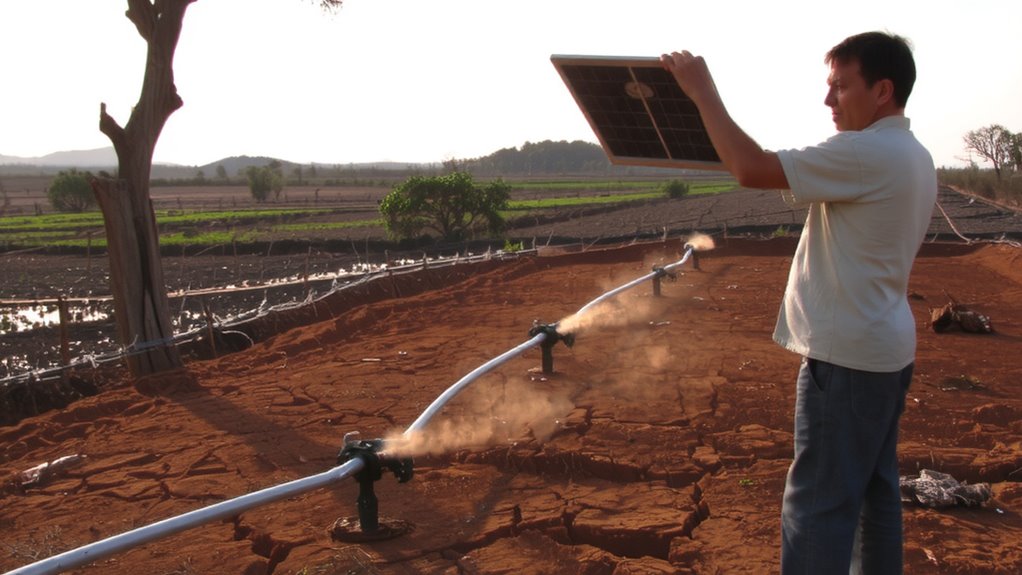
How does a solar panel perform when snow piles up or dust chokes the air? Not well-snow blocks light, slashing solar efficiency, while dust buildup insulates cells, reducing output by up to 25%. You need solutions that match local weather, not just generic gear. In desert areas, frequent dust calls for self-cleaning coatings or automated rinsing. Up north, tilted panels help snow slide off faster. Wind patterns matter too-they influence cooling and airborne debris. Panels in high-wind zones must be mounted securely, but overly rigid frames can crack under stress. You trade some efficiency for durability. Coastal regions get salt spray, so corrosion-resistant materials aren’t optional. Your system’s real-world performance hinges on these fixes, not lab specs. Adapt to local conditions or face underperformance. Matching technology to weather isn’t overengineering-it’s basic survival.
How Weather Shapes Regional Climate Risks
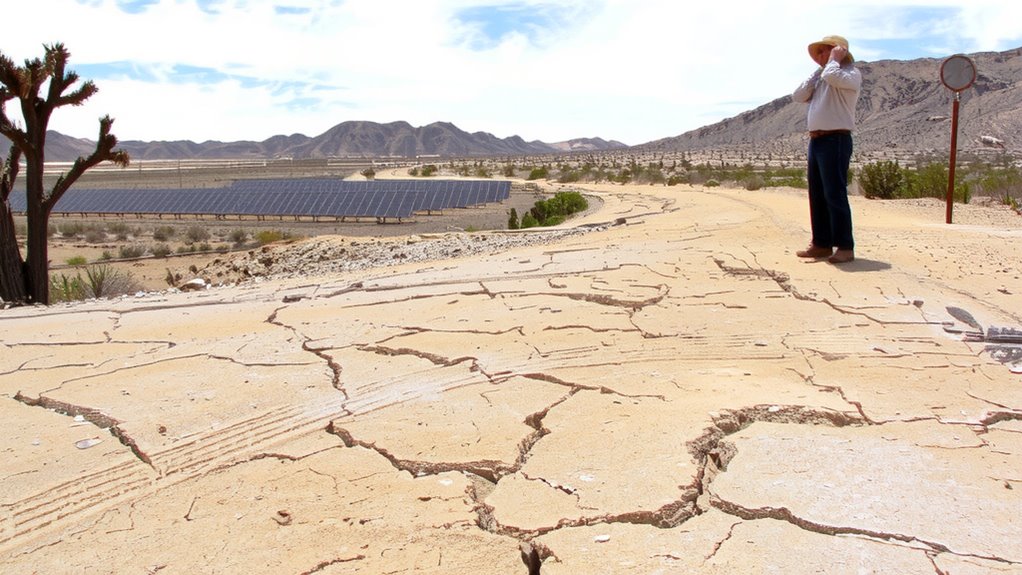
When you’re sizing up climate risks in a given region, weather patterns aren’t just background noise-they’re the blueprint for what will fail and when. If you’re evaluating infrastructure in South Asia, monsoon patterns dictate flood resistance requirements-you need drainage systems that handle 300 mm of rain in 48 hours, not averages from 1990. Along the Gulf Coast, coastal erosion isn’t hypothetical-it’s measured in meters lost per year, forcing foundations to be anchored beyond shifting sediment lines. You can’t rely on generic climate models; real risk lies in localized weather extremes. Monsoon patterns reveal timing and intensity of seasonal stress, while coastal erosion rates expose structural vulnerabilities. Ignoring them means designing for failure. Your materials, placement, and maintenance schedules must respond directly to these observable trends. Adapting isn’t optional-it’s built into survival.
Southwest: Fighting Drought and Wildfires
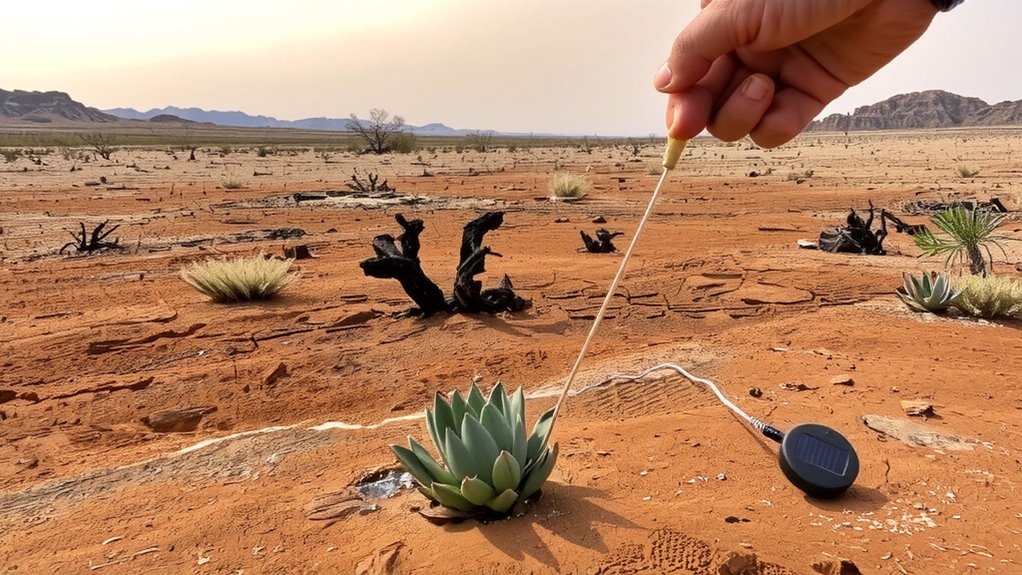
Because water’s scarce and fires spread fast, you’ll need systems that conserve every drop and structures that won’t ignite when embers fly. Water scarcity demands low-flow fixtures, drought-resistant landscaping, and rainwater harvesting-systems proven to cut household use by 30–50%. Graywater recycling adds efficiency but requires permits and maintenance. For fire prevention, choose building materials with a Class A fire rating; concrete, stucco, and fiber-cement siding outperform wood and vinyl. Ember-resistant vents reduce ignition risks by 80% in wildfire testing. Create defensible space: clear 30 feet around structures and use non-combustible mulch. Irrigation systems help, but rely on stored water, not municipal supply. Roof design matters-metal or tile resists embers better than asphalt. You can’t stop drought or fire, but smart choices lower risk. Prepare for limited water and constant fire threats with measurable, tested solutions-not guesses.
Gulf and East Coast: Surviving Hurricanes and Floods
Even if you’ve weathered storms before, hurricanes along the Gulf and East Coast demand upgrades that go beyond sandbags and plywood-storm surge can exceed 20 feet, and wind speeds often top 150 mph in major hurricanes. You need impact-resistant windows or tested storm panels; standard shutters won’t hold. Install a generator rated for your load-grid failure lasts days. Elevate critical systems above base flood elevation to reduce storm surge damage. Consider flexible levee barriers; they deploy faster than sandbags and seal better. Retaining walls slow coastal erosion, but only if engineered for local soil and wave action. Failing to address erosion undermines even well-built structures over time. Use FEMA flood maps to assess risk, not just past experience. Your home’s survival hinges on prep work done weeks before the storm hits-not during the warning window. Prioritize based on flood zone, structure age, and proximity to vulnerable coastlines.
Midwest and North: Preparing for Ice and Arctic Storms
Hurricanes aren’t the only threat that can knock out power and compromise shelter-arctic storms in the Midwest and North bring their own set of challenges, where temperatures can plummet below -20°F and ice loads exceed 1 inch, enough to snap power lines and collapse weak roofs. You’ll face ice accumulation that stresses trees and structures, so check roof load limits and trim vulnerable branches. Arctic visibility can drop to less than 50 feet during blizzards, making travel impossible-equip your vehicle with high-lumen headlights and amber fog lamps for marginally better contrast. A 7-day power outage is likely, so rely on propane heaters with oxygen detection, not open flames. Insulated windows with R-values above 4 reduce heat loss more effectively than standard double-pane. Battery-powered weather radios outlast smartphones when grids fail. You need thick-walled tents or rigid shelters rated to -30°F if evacuating; standard gear won’t hold up. Plan for frozen pipes-wrap them with heat tape that activates below 39°F. For extreme cold, a properly rated winter sleeping bag is essential to maintain core body temperature during prolonged outages.
Southeast: Beating Extreme Heat and Humidity
How do you stay safe when heat indexes exceed 110°F and humidity hovers above 70% for days on end? You minimize outdoor activity during peak hours, typically 10 a.m. to 4 p.m., and rely on shade and ventilation when outside. Heat stress becomes a real threat, so monitor for dizziness, nausea, or confusion-early signs your body can’t cool itself. Wear lightweight, moisture-wicking clothing; it helps with humidity control by allowing sweat to evaporate. Use fans with ice or paired with open windows for low-cost cooling. Air conditioning is the most effective defense, reducing both temperature and humidity. Portable units with a 10,000 BTU rating work best for single rooms. Drink water consistently, even if you’re not thirsty. Avoid alcohol and caffeine. Stay in cooled public spaces if home AC fails. Prevention beats treatment when conditions are this extreme.
Plan Local: Build Resilience by Region
Climate survival starts with knowing your region’s threats. You can’t rely on one-size-fits-all solutions-your local environment demands specific strategies. If you’re near the coast, coastal erosion undermines foundations, roads, and water supplies; consider natural barriers like dunes or marshes, which offer longer-term protection than concrete alone. Inland, urban sprawl increases flood risks by expanding impermeable surfaces, overwhelming drainage systems during storms. You’ll need region-appropriate building codes and land use planning that limit sprawl and preserve green space. Retrofitting homes with flood vents or elevated designs helps in vulnerable zones. Regional resilience isn’t about perfect prevention-it’s about reducing exposure and managing consequences. Assess your area’s climate stressors now, because adapting later costs more in time, money, and safety.
On a final note
You need region-specific solutions because weather dictates risk. Desert areas demand drought-resistant materials and fireproofing. Coastal zones require flood barriers and storm-rated construction. Cold climates need insulation and ice mitigation. Humid regions call for moisture control and heat-resistant systems. One-size-fits-all fails. Test products against local extremes-performance drops if mismatched. Match specs to conditions: survival depends on precision, not guesswork. Prepare for what your climate actually delivers.