How to Evaluate Your Family’s Access to Emergency Transportation
You need reliable ways to get your family out when emergencies hit. Check if nearby public transit runs during crises and offers accessible routes. List each person’s mobility limits, including medical needs or assistive devices. Keep your car in shape with regular maintenance so it won’t fail when needed. Test if ride-sharing works in bad weather or poor signal areas. Relying on apps alone is risky. Know who nearby can help fast-and confirm their vehicle fits your needs. A working plan beats panic every time. Next steps reveal how to turn these checks into action.
Notable Insights
- Check if local transit agencies have emergency plans with reliable routes and schedule updates.
- Document every family member’s mobility needs, including medical equipment and accessibility requirements.
- Maintain vehicles regularly to ensure they function during power outages or extreme weather conditions.
- Test ride-sharing apps under poor signal or low battery to assess real-world crisis usability.
- Build a network of trusted contacts with capable vehicles who can assist during emergencies.
Map Public Transit That Works During Emergencies

How do you know which buses or trains will still run when disaster hits? Check your local transit agency’s emergency response plan-it’s public. Look for routes designated as essential service corridors; these usually have higher transit reliability during crises. Systems with route redundancy-multiple ways to reach the same area-give you better odds when one line fails. Avoid relying on a single mode or stop. If a subway shuts down, can a bus get you out? Test the alternatives now, not during evacuation. Some cities publish emergency transit maps; use them. Real-world performance shows that networks with backup routes reduce delays by up to 40% in disruptions. Don’t assume service levels stay the same-many cut schedules during emergencies. Confirm which vehicles are equipped for extreme weather or power loss. Knowing this improves your exit options. Transit reliability isn’t just about daily commutes-it’s tied to how well a system withstands shock.
List Every Family Member’s Mobility Needs and Limits
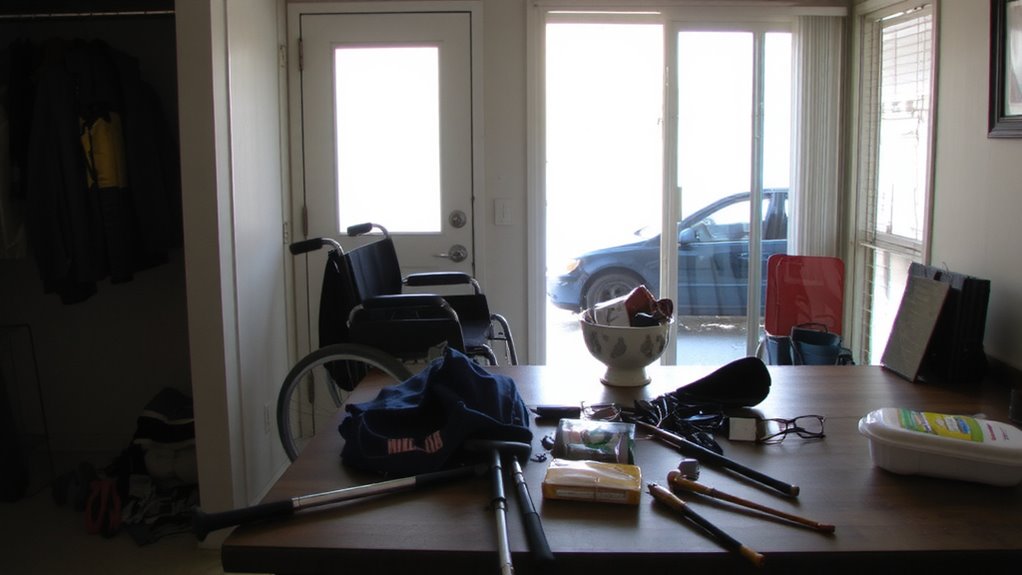
Start with a clear picture of each person’s physical abilities and medical requirements, because mobility isn’t one-size-fits-all. Knowing who needs wheelchair accessibility or help with medical equipment transport guarantees no one gets left behind. Assess every family member honestly-consider stairs, walking distance, and endurance.
| Family Member | Mobility Needs |
|---|---|
| Parent A | Uses cane, needs handrails |
| Child 1 | Wheelchair use, requires ramp access |
| Child 2 | Asthma, carries inhaler |
| Grandparent | Needs seating every 5 min |
| Parent B | Full mobility, no assistive devices |
This list guides your emergency choices. Wheelchair accessibility affects vehicle and route options. Medical equipment transport means space and securement. Plan around actual needs, not assumptions. Missing these details risks delays or injury. Be specific, be ready.
Make Sure Your Car Won’t Fail When You Need It Most
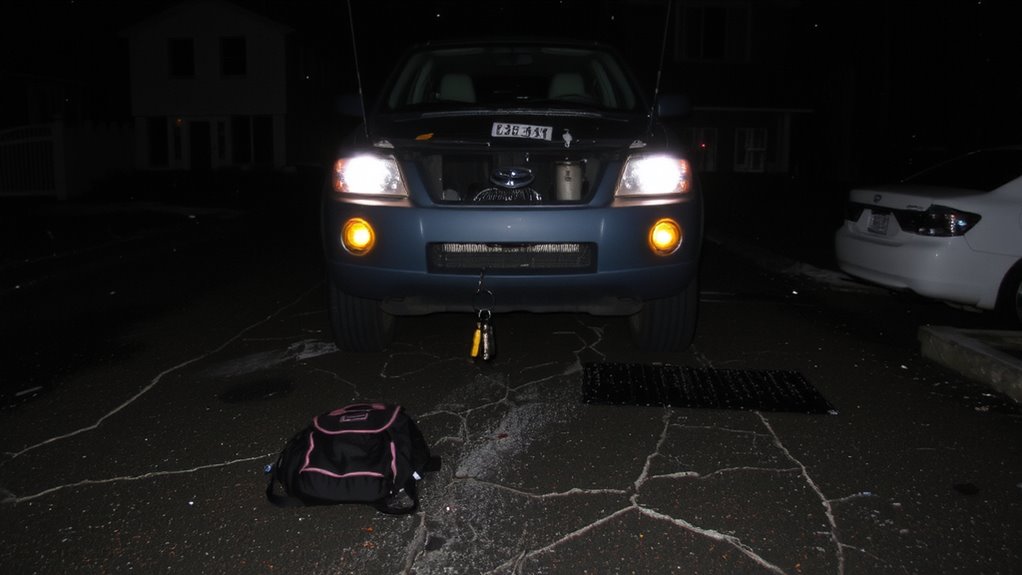
Even if you check the weather and pack extra supplies, your car’s reliability during an emergency often comes down to routine maintenance you can’t afford to skip. Regular car maintenance-like oil changes, brake inspections, tire rotations, and fluid checks-prevents avoidable breakdowns when roads are treacherous or help is far away. You won’t have time for emergency repairs if you’re fleeing a flood or stuck in a blizzard. A well-maintained battery, functioning lights, and properly inflated tires improve your odds of getting out safely. Check your vehicle’s recall status and fix known defects promptly. Keep a log of service dates to track adherence. Consider a professional inspection twice a year. Skipping maintenance may save money short-term, but increases the risk of failure during critical moments. Your family’s safety depends on a vehicle that starts every time, in any condition. Plan for reliability, not luck.
See If Ride-Sharing Works for Your Family in Crises
What if your car won’t start or roads are too dangerous to drive? Ride-sharing might be an option, but you need to assess it realistically. Ride availability varies by location and time-urban areas usually have drivers within minutes, but rural or suburban zones may see waits over 30 minutes, especially during storms or blackouts. Test this during off-peak hours to gauge actual response times. App reliability is just as critical. Network outages, dead phone batteries, or app crashes can block access when you need it most. Try opening the app with low signal or on an older phone to simulate emergency conditions. Don’t assume help is instant. If ride availability drops during bad weather or app reliability falters when networks are strained, your plan could fail. Evaluate these factors now, not during a crisis.
Find Trusted Neighbors or Relatives Who Can Help Fast
If you can’t rely on ride-sharing during a storm or at night, turning to someone you already know might be your fastest backup. Trusted neighbors or relatives within a 10-minute radius can respond faster than distant services. Identify at least two reliable emergency contacts who have dependable transportation and are willing to help outside regular hours. Confirm they keep their vehicles fueled and maintained, and that they can accommodate your family’s size and any accessibility needs. Establishing community trust means verifying availability through direct conversation, not assumptions. Share contact numbers and practice check-in routines to guarantee responsiveness. Relying on personal connections reduces wait times but requires clear expectations. You trade the formality of services for speed and familiarity, provided the relationship is tested ahead of crises. Weak links include unconfirmed schedules or outdated contact info-update them annually.
Build Your Family’s Step-by-Step Crisis Evacuation Plan
You’ve lined up trusted neighbors or relatives who can help when emergencies strike, but knowing who to call is only part of the solution. You need a clear, step-by-step crisis evacuation plan that everyone in your family understands and can follow under pressure. Assign specific evacuation roles-like who grabs the emergency kit, who secures pets, and who checks windows and doors. This reduces confusion and speeds response. Practice emergency drills every three months to test timing and coordination. Use real scenarios: fire, flood, or power loss. Note gaps in execution and adjust roles or routes. A 5-minute drill should reveal whether your plan works or needs refinement. Include primary and secondary evacuation routes from each room. Update the plan if family routines or transportation access changes. Practice improves response more than theory ever will.
On a final note
You’ll need fast, reliable ways to get everyone out safely. Check transit routes, ride-share coverage, and backup helpers now-don’t wait until wheels fail or roads close. Your car’s battery, tires, and fuel matter most when seconds count. A clear plan beats panic every time. Test it once a season. Know who moves slowly, who can drive, and which roads clear first. Speed and certainty save lives.