Developing a Pre-Identified Evacuation Vehicle Meeting Point
Pick a safe, accessible spot within a two-minute walk that everyone-including kids, elders, and pets-can reach quickly by foot or mobility aid. Avoid front yards or cars; choose a visible landmark like a stop sign or park entrance. Test routes at night and during congestion. Store supplies only if secure; otherwise, keep them mobile. Confirm all know the location and alternate paths. Plans fail if unpracticed-drills reveal flaws others won’t.
Notable Insights
- Choose a vehicle meeting point accessible within two minutes, on safe ground, and away from fire, flood, or debris hazards.
- Ensure the location is reachable by all family members, including those with mobility aids, and has clear landmarks for easy identification.
- Confirm the meeting point allows safe vehicle access and parking without blocking roads or emergency responders.
- Store emergency supplies in a secure, mobile kit rather than in the vehicle or at the meeting point unless safety allows.
- Test the route and meeting point during drills at different times, and update the plan if roads, hazards, or access change.
Choose a Safe Evacuation Meeting Point First
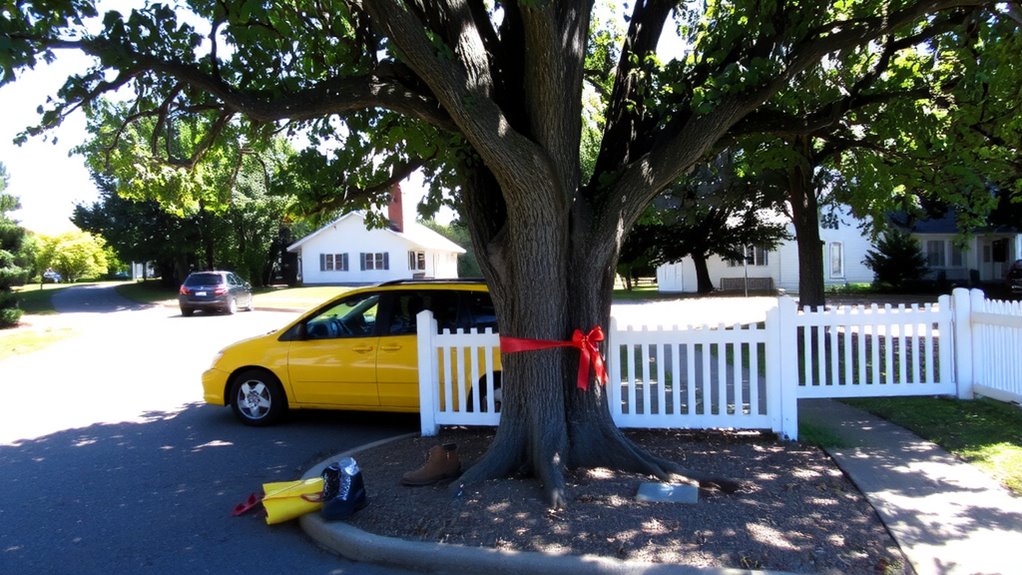
If you’re serious about getting out quickly when seconds count, pick your evacuation meeting point before anything else-it’s the one decision that can save time, reduce panic, and keep your group together. You’ll need a spot that’s accessible but not exposed, chosen only after a hazard assessment of your area’s common threats like fire zones, flood risks, or fallen debris. Don’t assume your front yard or car is safe-it might be blocked or compromised. Store emergency supplies-water, radio, first aid-there only if the location is secure and predictable. Otherwise, keep them mobile. The meeting point should be within a two-minute reach under stress, tested during drills. Visibility matters: pick a landmark that’s easy to spot in smoke or darkness. This step isn’t about convenience-it’s about ensuring coordination when systems fail and every second counts.
Pick a Spot Everyone in Your Family Can Reach
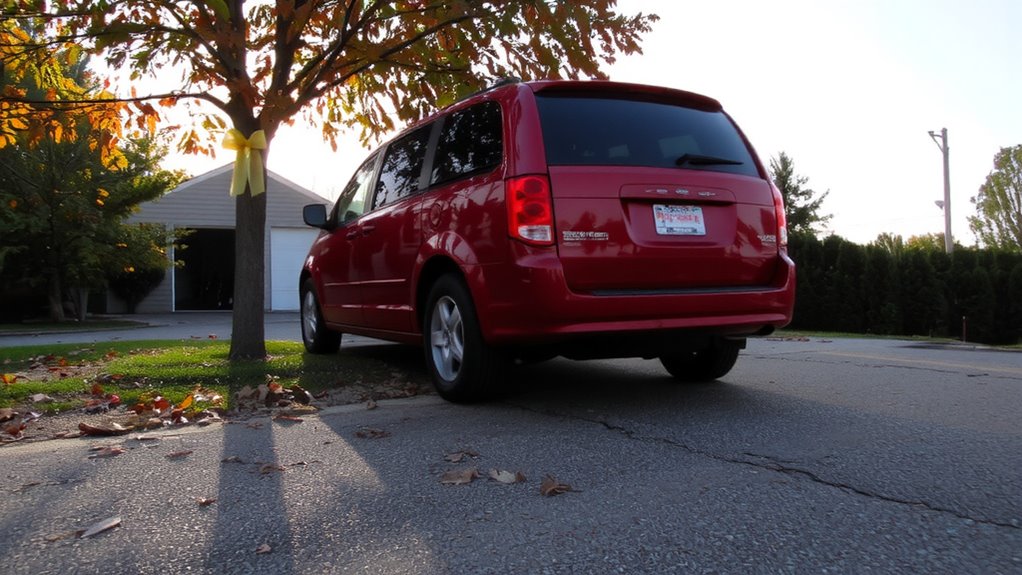
You’ve picked a safe meeting point-now make sure everyone in your household can actually get there. Family accessibility matters just as much as location. Choose a spot reachable by foot, mobility aid, or pet, especially if roads are blocked or traffic halts. Use visible neighborhood landmarks to guide orientation under stress. A red mailbox, white fence, or corner store are easier to spot than addresses.
| Landmark Type | Example Location |
|---|---|
| Traffic signal | Main St. & 5th Ave |
| Park entrance | Oakwood Playground |
| Commercial sign | QuickFuel Gas Station |
| Distinctive tree | Large oak near school |
These markers improve recall and access. Test routes at night and during congestion. Confirm paths are clear of stairs or long inclines if mobility is limited. Balance speed and safety-don’t trade one for the other.
Include Kids, Elders, and Pets in the Plan
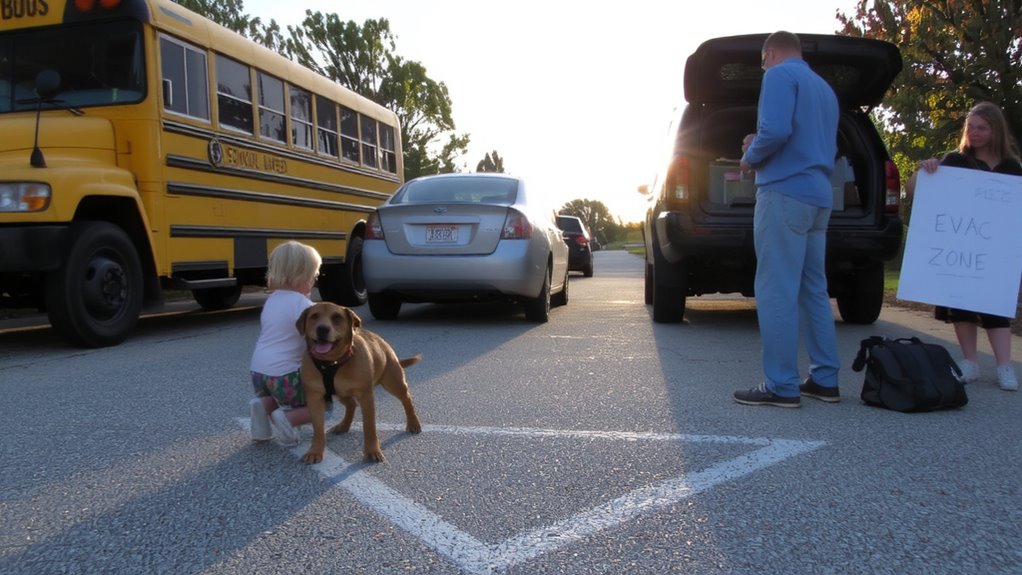
A family’s evacuation plan works only when it accounts for the youngest, oldest, and non-human members. You need to guarantee child supervision is built into every step-kids can panic or wander, so assign a responsible adult to each child. Toddlers and infants require carries or strollers; older adults may need mobility aids or extra time to reach the meeting point. Include pet safety by keeping leashes, carriers, and food ready. Pets might hide during crises, so act fast to secure them. Small animals should be in ventilated, durable carriers that fit in your vehicle. Practice the evacuation with everyone involved, including pets, so routines become automatic. Wheelchair users or those with limited mobility may need assistance-plan for that. Every second counts, and hesitation increases risk. Real-world tests show families who include all members in drills reduce evacuation time by up to 40%.
Confirm Everyone Knows the Location and Steps
How quickly can everyone in your household reach the evacuation vehicle meeting point without hesitation? Test this by conducting surprise drills at different times of day. Guarantee each person knows the exact location and the steps to take when emergency signals sound. Practice responding to both audible alarms and text alerts, as reliance on one method risks failure. Establish a communication backup, like a battery-powered radio or prearranged check-in call, in case networks fail. Kids and elderly members should rehearse the route until movement is automatic. Verify that pets are included and accounted for in each trial. Adjust signage or instructions if anyone struggles. Drills reveal gaps logic won’t catch. Confirming knowledge isn’t a one-time task-it requires repetition, adjustment, and consistency under varied conditions. Real-world performance matters more than intent. Choosing a reliable best bug-out car can significantly improve your evacuation success.
Plan Alternate Routes for Different Disasters
If the primary path to your evacuation vehicle becomes blocked, having pre-mapped alternate routes for specific disaster types guarantees you’re not relying on split-second decisions under stress. For wildfires, choose routes that avoid canyons and use higher elevations where road conditions remain passable longer. In floods, avoid low-lying areas and bridges that may fail. Earthquakes often damage major highways, so keep secondary roads mapped and assess their structural risks in advance. Communication failures mean you won’t rely on GPS-use physical maps and mark at least two alternatives per route. Test each route during non-emergencies to verify accessibility and travel time. Some paths may be faster but prone to congestion; others are longer but more reliable. Prioritize routes with better surface durability and minimal chokepoints. Your best option isn’t always the shortest-it’s the one most likely to be open and navigable when infrastructure is compromised.
Share the Plan and Practice Together
What good is a plan if everyone you’re counting on doesn’t know their role? You need to share the evacuation strategy with all household members so each person knows where to go, how to respond, and when to move. Make sure everyone recognizes the emergency signals-whether it’s a horn blast, alarm, or verbal cue-and understands what each means. Practice together at least twice a year to build consistency and confidence. During drills, test your communication backup, like walkie-talkies or a phone tree, in case cell networks fail. If signals aren’t clear or backup methods lag, adjust them now, not during a crisis. Practicing as a group reveals gaps in timing, coordination, or understanding. Real-world conditions won’t allow for second chances, so repetition improves response accuracy. Clear roles, tested signals, and reliable communication backup reduce delays and confusion when it matters most. Choosing durable and long-range best prepper walkie-talkies ensures your group stays connected even in remote or disaster-affected areas.
Review and Update Your Meeting Point Regularly
You’ll usually find that even a well-chosen meeting point can become impractical over time due to changes in traffic patterns, property access, or local hazards. You need to review your evacuation meeting point at least twice a year to guarantee it’s still viable. Shifts in infrastructure, like road closures or construction, can block access. Weather changes may affect road conditions-flooding or snow could make your original spot unreachable. Test the location during emergency drills to see how quickly everyone arrives and note any delays. If response times slow or access fails, adjust the plan immediately. Consider alternate routes and secondary spots in case the primary one is compromised. Drills should reflect real conditions, not just ideal scenarios. Regular updates keep your strategy effective and reliable when it counts. Don’t assume it works-verify it.
On a final note
You’ve picked a safe, reachable meeting point and included everyone-now confirm all know the way and practice regularly. Alternate routes handle blocked roads, and updates keep the plan reliable. A solid meeting point isn’t just a location-it’s tested, shared, and adaptable. It works because you’ve made it simple, clear, and repeatable under stress. That’s how plans succeed when they’re needed most.