Water Contamination Events: A Detailed Look at the Causes, Consequences, and Solutions
You’re at risk when industrial spills, agricultural runoff, or aging pipes leak lead, arsenic, or nitrates into your water. These contaminants cause brain damage, cancer, or methemoglobinemia, especially in vulnerable populations. Outbreaks shut down schools, businesses, and hospitals, hitting low-income areas hardest. Modern treatment uses filtration, disinfection, and real-time sensors, but prevention depends on infrastructure upgrades and monitoring-your safety hinges on both system reliability and community action. There’s more you need to know about protecting your supply.
Notable Insights
- Industrial spills and agricultural runoff introduce toxins like heavy metals and nitrates into water supplies, even in small, harmful amounts.
- Aging infrastructure and inadequate treatment allow contaminants such as lead, arsenic, and E. coli to persist in drinking water systems.
- Lead and arsenic exposure can cause brain damage and cancer, while nitrates pose severe risks to infants through methemoglobinemia.
- Water contamination disrupts daily life, halts businesses, closes schools, and worsens inequality, especially in low-income communities.
- Prevention includes modern treatment, real-time monitoring, infrastructure upgrades, and activated carbon filtration to reduce chemical and microbial risks.
Causes of Water Contamination
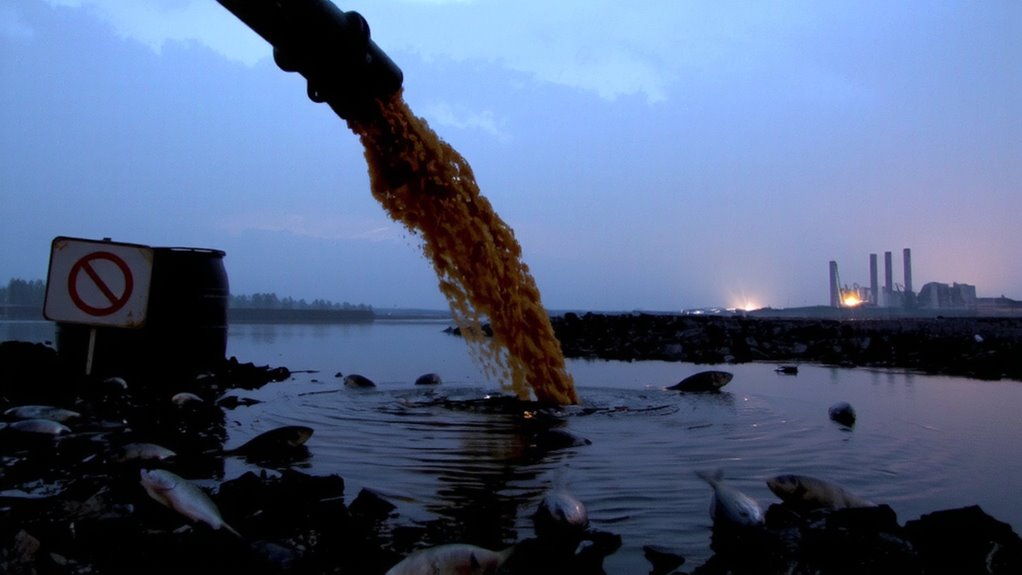
While you might think clean water is a given, contamination often starts with everyday sources you interact with. Industrial spills release toxins directly into water supplies, and even small leaks can compromise local systems. You’re likely exposed without realizing it, especially near manufacturing zones where safeguards fail. Agricultural runoff carries fertilizers and pesticides from fields into rivers and aquifers, worsening with heavy rains. This runoff spreads quickly, affecting downstream communities. These sources aren’t isolated-they combine, increasing contaminant loads. Aging infrastructure doesn’t help, allowing pollutants easier access to drinking water networks. You can’t rely solely on treatment plants, as some contaminants slip through standard processes. Prevention matters because once pollution enters the system, removal becomes costly and inefficient. Knowing the sources lets you assess risk and choose protective measures. Industrial spills and agricultural runoff are leading, avoidable causes.
Common Pollutants in Drinking Water
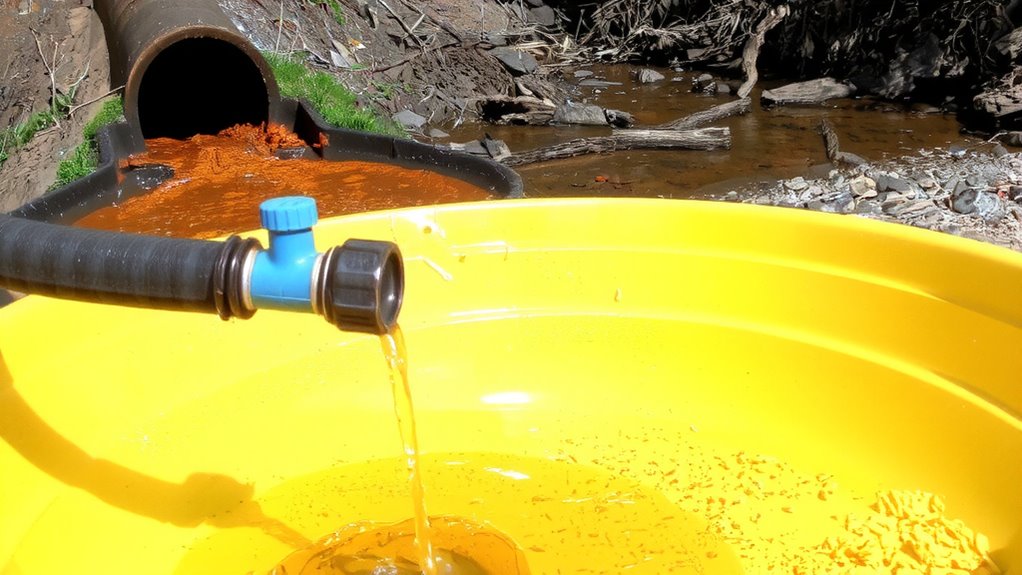
Lead, arsenic, nitrates, and chlorine byproducts top the list of common pollutants found in drinking water. You’ll often encounter lead from old service lines or corroded plumbing, especially in homes built before 1986. Arsenic occurs naturally in some groundwater but is also released through industrial discharge. Nitrates mainly come from agricultural runoff, particularly fertilizer and livestock waste, contaminating wells near farmland. Chlorine byproducts form when disinfectants react with organic matter during treatment-routine but not risk-free. Industrial discharge introduces heavy metals and chemicals directly into water sources, bypassing natural filtration. These pollutants persist even after standard treatment, slipping into your tap water. Municipal systems monitor them, but aging infrastructure and seasonal runoff increase exposure risks. Point-of-use filters rated for specific contaminants can reduce levels, though effectiveness depends on filter type and maintenance. You’re better off knowing your source and the threats it carries. Top water filters can significantly reduce exposure to these contaminants when properly maintained.
Health Risks of Contaminated Water
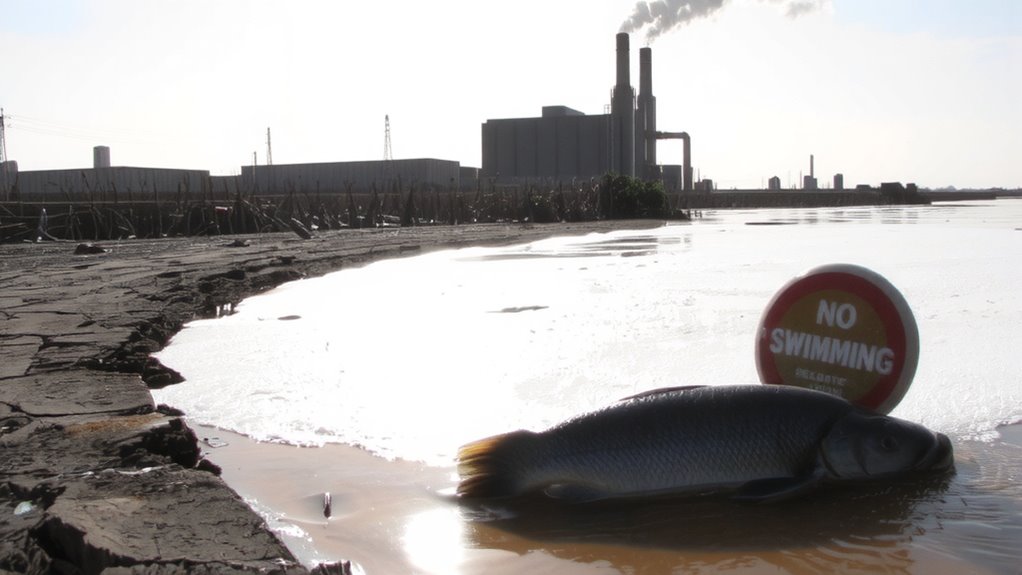
What happens when you drink water tainted with lead, arsenic, or nitrates? You risk serious health effects, including developmental delays, cancer, and methemoglobinemia. Long-term exposure increases vulnerability to waterborne diseases like cholera and giardia. These risks aren’t evenly distributed-health disparities mean low-income and marginalized communities often face higher exposure and fewer resources to respond.
| Contaminant | Health Risk |
|---|---|
| Lead | Brain damage, reduced IQ |
| Arsenic | Skin lesions, cancer |
| Nitrates | Blue baby syndrome |
| E. coli | Severe diarrhea, kidney failure |
| Mercury | Neurological damage |
You can’t see or taste these toxins, so testing is essential. Prevention beats treatment. Relying on verified filters or treated sources cuts your risk. Without action, contaminated water quietly undermines health over time.
How Water Crises Affect Communities
A water crisis hits hard when the tap runs dry or spews brown. You can’t cook, clean, or stay healthy without safe water. Economies stall-businesses like restaurants and laundromats shut down, cutting jobs and income. The economic impact spreads fast, hitting small enterprises hardest. Low-income neighborhoods often wait longer for aid, worsening social inequality. Wealthier areas might afford filters or bottled water, but not everyone can. Kids miss school when water’s unsafe, and hospitals struggle to operate. You feel the strain in daily routines and long-term stability. Infrastructure fails, and without coordinated help, recovery slows. Communities fracture when resources vanish suddenly. You adapt where you can-collecting rainwater, rationing-but these are temporary fixes. The real cost isn’t just immediate; it’s the lasting gap between who suffers and who recovers, deepening existing divides.
How Water Systems Can Prevent Contamination
Even if contamination risks seem invisible, modern water systems can stop them before they reach your tap by combining physical barriers, chemical treatment, and continuous monitoring. Water treatment removes pathogens and pollutants through coagulation, filtration, and disinfection, ensuring what flows from your faucet meets safety standards. Chlorine or ultraviolet light kills bacteria, while activated carbon reduces chemicals. These steps work best when infrastructure maintenance keeps equipment running. Pipes, pumps, and storage tanks need regular inspection, cleaning, and repair to prevent leaks or corrosion that could introduce contaminants. Automated sensors track water quality in real time, alerting operators to changes in pH, turbidity, or chlorine levels. When systems fail, it’s often due to delayed maintenance or outdated technology, not treatment flaws. Upgrading aging infrastructure and following strict protocols reduce risks markedly. Your safety depends on these behind-the-scenes actions working together, every day. Homeowners can further safeguard their water with a certified best water filter that removes residual contaminants.
What Communities Can Do to Stay Safe
When contaminants bypass treatment, your best defense starts with knowing what’s in your water-so check your annual Consumer Confidence Report, which every utility must provide; it breaks down tested pollutants and their levels, giving you a clear picture of what’s been detected and whether it meets EPA standards. You should also conduct independent water testing, especially if you’re on a private well or live near industrial sites. Test results help identify risks like lead, nitrates, or bacteria. Pair testing with emergency prep: keep bottled water on hand and have filters rated for specific contaminants. A 5-gallon supply per person lasts three days. Know your local alert systems. Community drills improve response speed. Simple steps like sealing well caps and avoiding chemical runoff reduce exposure. You can’t control infrastructure, but water testing and emergency prep put actionable control in your hands. For reliable long-term storage, consider best emergency drinking water options that meet federal safety standards.
On a final note
You face real risks from contaminated water, but reliable filters reduce exposure to lead, bacteria, and chemicals. Not all systems perform equally-look for NSF 53 or 58 certification for proven results. Boiling helps with pathogens but not heavy metals. Regular testing and maintenance matter. Simple steps like flushing pipes and using certified pitchers or under-sink units improve safety. No solution is perfect, but informed choices lower danger effectively.