Water Contamination Events Caused by Industrial Accidents: Assessing Risks and Implementing Safety Protocols for Communities
You’re at risk when industrial accidents release heavy metals or solvents into water through spills, leaks, or failing infrastructure. Aging pipes and poor containment increase contamination speed and exposure. Low-income and marginalized communities face the highest dangers due to proximity and limited resources. Modern filtration, real-time sensors, and secondary containment can cut risks by up to 90%. Fast response, clean water access, and system shutdowns limit damage. What comes next shows how preparedness changes outcomes.
Notable Insights
- Industrial accidents like spills and leaks are leading causes of water contamination, especially near manufacturing and waste sites.
- Heavy metals and solvents from industrial processes can persist in water, posing long-term health risks to exposed communities.
- Vulnerable populations, including low-income and marginalized groups, face disproportionate risks due to proximity and limited resources.
- Implementing layered safety protocols, such as containment structures and real-time sensors, can reduce contamination risk by up to 90%.
- Rapid emergency response, including shutdowns, testing, and public alerts, is critical to minimizing exposure during contamination events.
How Industrial Accidents Poison Water
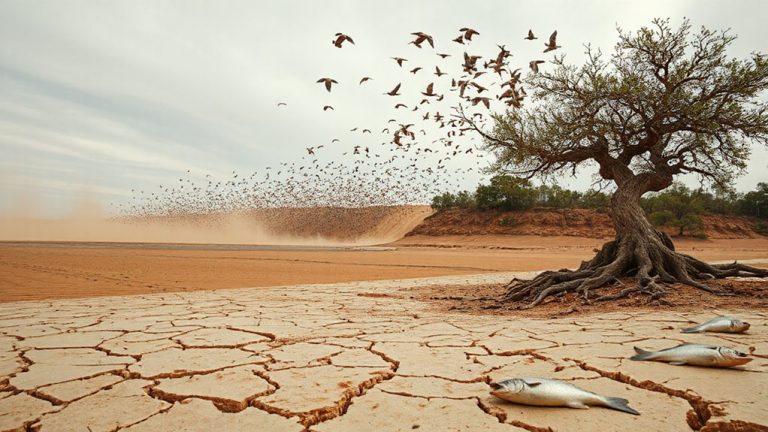
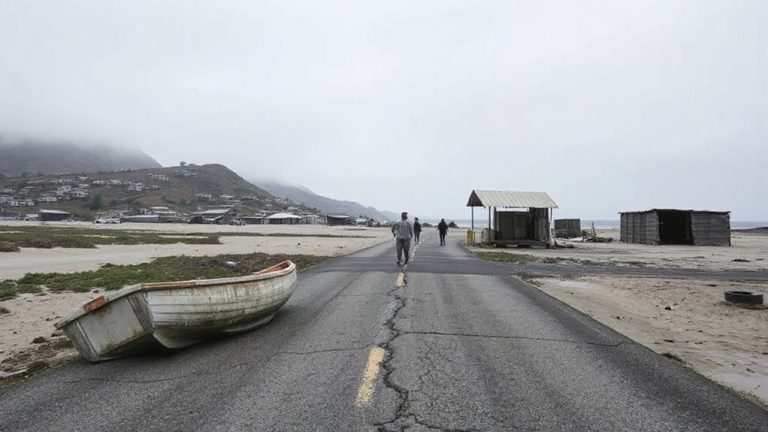
Spills, leaks, and improper waste disposal-those are the usual suspects when industrial accidents taint water supplies. You’re exposed when toxins bypass containment and reach groundwater or surface systems. Chemical leaching occurs when rainwater filters through contaminated soil, pulling pollutants like heavy metals or solvents into aquifers you rely on. It’s slow but persistent, often going undetected for months. Waste seepage happens when storage units crack or overflow, letting untreated byproducts infiltrate nearby waterways. These aren’t rare events-aging infrastructure increases failure risk. Monitoring helps, but early detection depends on location and response speed. Once contamination spreads, filtration becomes more complex and costly. Prevention relies on proper storage, routine inspections, and fail-safes that work under stress. You can’t reverse damage quickly, so safeguards matter before an incident. Relying on cleanup alone isn’t enough. Proactive containment reduces both frequency and impact when failures occur.
Top Sources of Water Contamination in Industry
Heavy metals, solvents, and industrial byproducts top the list of water pollutants you’re likely to encounter from manufacturing and processing operations. These contaminants enter water systems mainly through improper disposal, spills, and leaks. Heavy metals like lead, mercury, and cadmium persist in the environment and accumulate in the food chain, posing long-term risks. You’ll often find them in wastewater from mining, electroplating, and battery production. Chemical runoff from industrial sites carries toxins into nearby water bodies, especially during rainfall or flooding. This runoff includes pesticides, solvents, and cleaning agents that bypass inadequate containment systems. Facilities near rivers or aquifers increase exposure chances. Older plants with outdated treatment systems are more prone to releasing harmful substances. You can’t see or smell many of these pollutants, making regular testing essential. Effective monitoring and modern filtration help reduce, but not eliminate, contamination risks.
Who’s Most at Risk From Industrial Spills?
Who bears the greatest burden when industrial accidents poison water supplies? You do-if you’re part of vulnerable populations living near industrial zones. Low-income communities and marginalized groups often lack resources to relocate or secure clean water quickly. Economic disparities mean these neighborhoods usually have older infrastructure and fewer monitoring systems, increasing exposure risks. Children, the elderly, and those with preexisting health conditions face higher health impacts from contaminants. You’re also more likely to rely on public water sources that may not be tested frequently. Language barriers or limited access to emergency alerts reduce your ability to respond. Industrial spills don’t affect everyone equally-your risk level ties directly to where you live, your income, and your access to timely, accurate information.
Safety Measures That Stop Water Pollution
While prevention can’t eliminate every risk, you’ll find that strict containment protocols and modern filtration systems cut contamination chances by up to 90% when properly maintained. You need secondary containment structures-like berms and retention ponds-that activate the moment containment barriers fail. Automated shutoff valves and real-time water sensors reduce exposure time, limiting damage. If emergency prepared grinding occurs near water access points, sealed drainage controls prevent seepage. Mobile containment units can be deployed within hours, but only if drills are routine and equipment is tested monthly. You can’t rely on barriers alone; layered defenses including oil-water separators and chemical neutralizers improve outcomes. Regular inspections catch wear before failure. When containment barriers are failing, early detection systems give you the 15–30 minute window needed to act. These measures aren’t foolproof, but they’re proven under stress. You’re reducing risk, not eliminating it.
How to Respond After a Water Contamination Spill
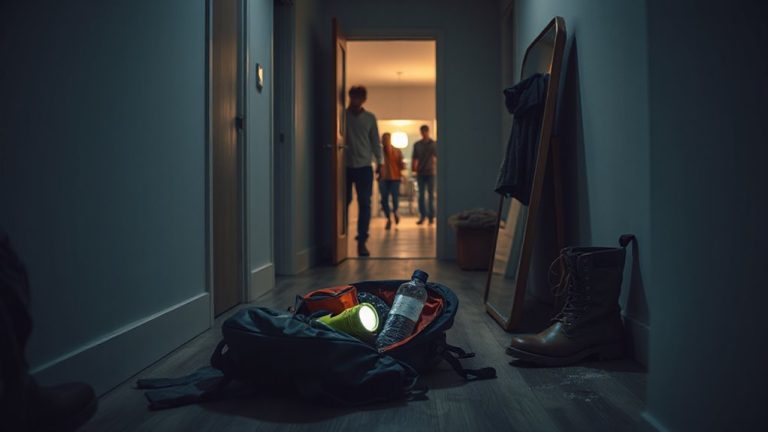
Act fast when a spill hits water-your first hour determines the outcome. Your emergency response plan must be activated immediately to limit exposure and contain the spread. Notify authorities, shut off water intakes, and begin containment using booms or absorbent barriers. Coordinate with local agencies to guarantee clear communication during the crisis. Community outreach is essential: provide transparent updates through verified channels to prevent misinformation. Below is what you should prioritize:
| Action | Purpose |
|---|---|
| Alert emergency teams | Start response within 15 minutes |
| Isolate contamination | Prevent downstream spread |
| Test water samples | Identify pollutants quickly |
| Inform residents | Reduce panic with facts |
| Deploy filters | Restore safe water access |
Delay undermines safety. You need measurable actions, not promises. Effective response reduces health risks and speeds recovery. Portable water filtration survival kits can play a critical role in providing immediate access to clean drinking water during the initial response phase.
On a final note
You can’t prevent every industrial accident, but you can reduce the harm. Quick detection systems and strict containment protocols limit spill spread. Communities near chemical plants or refineries face higher risks, especially if water sources lack real-time monitoring. Simple steps-like routine infrastructure checks and updated emergency plans-cut contamination odds. No solution is foolproof, but preparedness improves response speed and lowers health threats when failures occur.