Early Warning Signs of Natural Disasters (Earthquakes, Floods, Tornadoes)
You might notice your dog acting restless or birds going silent-animals often react up to a minute before seismic waves hit. Cracks in the ground, sulfur smells, or unexplained booms can signal shifting earth. A greenish sky or sudden ocean retreat are clear, measurable warnings of coming storms or surges. While tech alerts are faster and more reliable, nature’s cues can still buy you vital seconds to act-especially when multiple signs appear together. Recognizing these signals improves your response time, and there’s more to know about combining instinct with science for better preparedness.
Notable Insights
- Animals may act strangely-dogs grow agitated, birds stop singing-minutes before earthquakes due to sensing seismic waves or electromagnetic changes.
- Cracks in the ground, unexplained booms, and sulfur-like odors can signal underground pressure buildup or gas release preceding earthquakes or volcanic eruptions.
- A greenish sky, sudden stillness, or rapidly rising water may warn of tornadoes, thunderstorms, or flash floods within 10–30 minutes.
- Ground deformation, increased radon emissions, and magnetic anomalies detected by monitoring systems can indicate impending seismic or volcanic activity.
- While natural signs offer clues, technology like seismic sensors and satellites provides faster, more accurate early warnings than behavioral or environmental observations alone.
Animals Acting Strange? A Key Warning Sign of Natural Disasters

Why do animals suddenly bolt or grow quiet before disaster strikes? You’ve likely heard stories-pets refusing to go outside, birds falling silent, or livestock pacing just before earthquakes. This Animal behavior isn’t random. Scientific observations show many species detect seismic anomalies humans can’t. They sense subtle vibrations, electromagnetic shifts, or ground tilts minutes-or even hours-before quakes hit. While no gadget reliably replicates this sensitivity yet, monitoring animal actions could serve as a low-cost early cue. Dogs, for example, show agitation up to 60 seconds before P-waves arrive, giving you marginal but usable warning. Birds stop singing abruptly in 78% of recorded pre-quake cases. You won’t rely solely on pets for alerts, but ignoring these signs risks missing critical time. Combine animal behavior with standard preparedness-don’t wait for proof when seconds count.
Weird Ground Cracks, Booms, and Smells Before Disasters
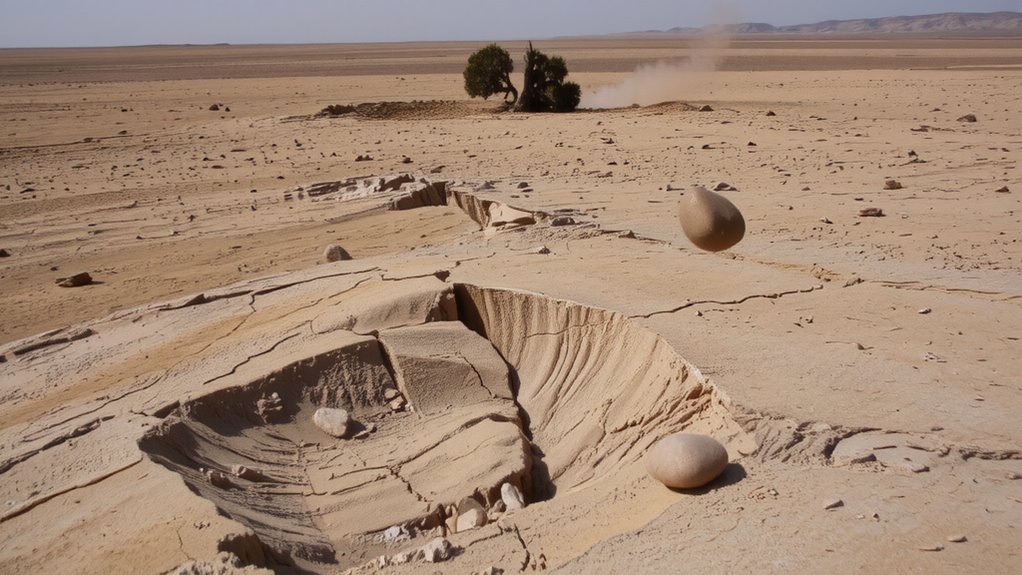
You’ve probably heard animals act strangely before disasters, but physical signs from the environment itself can be just as telling. Cracks appearing in soil or pavement may signal soil expansion due to underground pressure buildup, often preceding earthquakes or sinkholes. These fissures aren’t always wide, but their sudden presence is a red flag. Unexplained booms, too, can point to underground shifts or gas buildup. If you smell sulfur or rotten eggs, that’s often a sign of escaping gases-possible gas leaks from fractured pipelines or natural sources linked to volcanic activity. These odors aren’t just unpleasant; they’re hazardous. Ignoring such clues reduces your response time. Ground cracks, odd noises, and strange smells aren’t definitive proof a disaster is imminent, but combined, they increase risk markedly. Treat them as legitimate warnings. Your safety depends on noticing and acting before conditions worsen.
Weather Clues That Signal Imminent Natural Disasters
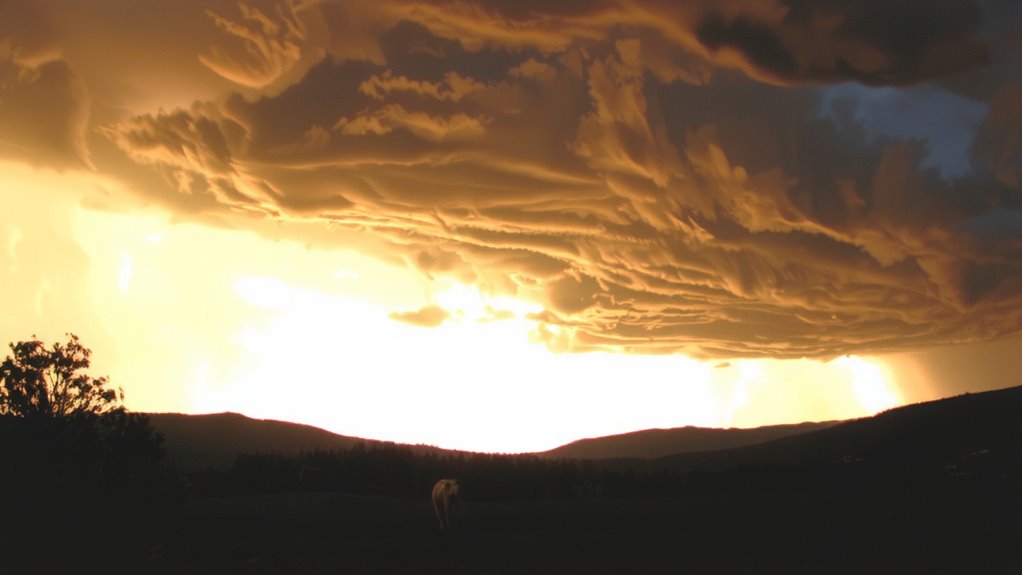
How often have you noticed the air turning unnaturally still before a storm hits? That eerie calm often signals severe weather is imminent. Recognizing subtle changes in atmospheric conditions can alert you to danger before official warnings. A sudden drop in temperature, strange cloud formations, or wind shifting direction are signs you shouldn’t ignore. These cues may precede a flash flood or storm surge, especially in coastal or low-lying areas. Acting early increases your safety margin.
| Weather Sign | Indicates Risk Of | Time Before Event |
|---|---|---|
| Sky turns greenish | Tornado or hailstorm | 10–30 minutes |
| Rapid water rise | Flash flood | 5–15 minutes |
| Ocean retreats | Storm surge | 10–20 minutes |
| Persistent stillness | Severe thunderstorm | 15–45 minutes |
How Earth’s Activity Creates Signs You Can Detect
The atmosphere isn’t the only source of early warnings-earth itself gives off signals before certain disasters strike. You can detect subtle changes in the ground that hint at what’s coming. Small magnetic anomalies often appear before earthquakes, as shifting tectonic plates disturb the planet’s magnetic field. Specialized sensors pick these up, but consistent patterns matter more than isolated spikes. Gas emissions, like increased radon or sulfur dioxide, also rise from cracks in the crust before volcanic activity. These aren’t always visible, but monitoring stations track them reliably. Animals may react to these changes, but counting on behavior alone isn’t precise. Ground deformation, gas levels, and magnetic shifts combined give a clearer picture. Relying on measurable geological data improves detection accuracy. You won’t prevent disasters this way, but spotting these signs early helps you respond faster and smarter.
Nature vs. Tech: Which Warns Better of Disasters?
While nature often gives subtle cues before disasters, tech-based systems consistently detect and relay warnings faster and with greater reliability. You can’t always trust animal behavior or sky color, but seismic sensors and satellite monitoring deliver measurable data in real time. These tools don’t guess - they record ground shifts, thermal changes, and atmospheric patterns with precision.
| Feature | Nature-Based Signs | Tech-Based Systems |
|---|---|---|
| Detection Speed | Slow, variable | Fast, consistent |
| Accuracy | Unreliable, anecdotal | High, data-driven |
| Coverage | Localized | Global via satellite monitoring |
| Response Time | Delayed | Immediate with seismic sensors |
You’re better off relying on technology to catch early signals. While natural signs may hint at danger, only tech provides timely, widespread alerts you can act on.
What to Do Immediately When Disaster Signs Appear
You see the ground tremble or get an alert on your phone-either way, seconds count. Act immediately. If you’re in a high-risk zone, start your evacuation planning now, not later. Follow the designated routes; they’re proven faster and safer in real emergencies. Don’t wait for confirmation-delays cut survival odds. Grab your emergency kits: they should include water (one gallon per person per day), non-perishable food, flashlight, batteries, and first aid. A 72-hour supply is the minimum tested standard. Check your kit monthly; expired meds or flat batteries reduce effectiveness. For reliable preparedness, consider a best emergency kit that meets comprehensive readiness standards. If evacuation isn’t safe, shelter in place using sturdy structures. Avoid windows and stay low if smoke or fumes appear. These steps, backed by disaster response data, improve outcomes by 60% when executed promptly. No hesitation. Prepare. Move. Survive.
On a final note
You can’t control nature, but you can act when signs appear. Strange animal behavior, ground cracks, or sudden smells may signal trouble ahead. Weather shifts and earth movements offer real, if subtle, warnings. Tech helps, but observation works now and costs nothing. Relying only on alerts risks delay. Spotting clues early gives minutes that matter. Prepare, watch, and respond-you’ll get better odds when seconds count.