How to Collect and Store Rainwater Safely During Extended Power Outages
Use a metal roof and seamless aluminum gutters sloped at 1/4 inch per 10 feet to direct clean runoff. Install reverse curve or micro-mesh guards to block debris while maintaining flow. Collect water in labeled, opaque, food-grade containers-preferably #2 HDPE-with tight seals to prevent contamination. Always purify with 8 drops of bleach per gallon or chlorine dioxide tablets before drinking. Test pH and for coliforms regularly. You’ll find system upkeep and long-term safety improve markedly with disciplined maintenance.
Notable Insights
- Use food-grade, UV-resistant containers like 55-gallon polyethylene drums to safely store rainwater long-term.
- Install a gravity-fed system with pre-filters such as micro-mesh or reverse curve guards to block debris.
- Collect rainwater from metal roofs and seamless gutters while avoiding asphalt or lead-based roofing materials.
- Never drink raw rainwater; treat with chlorine dioxide tablets or 8 drops of bleach per gallon before use.
- Label containers with collection dates, store in shade, and rotate water supply using the oldest first.
Collect Rainwater Safely When the Power’s Out
When the power’s out, how do you keep water flowing? You collect rainwater, but only if you’ve planned for it. Emergency preparedness means having clean, food-grade storage containers ready-55-gallon drums or 3.5-gallon jugs work, but check their UV resistance and durability. Without pumps or filtration, gravity-fed systems with pre-installed mesh screens help reduce debris. But remember, raw rainwater isn’t safe to drink. Contaminants from rooftops or air pollution affect water quality, so always use a portable filter with a 0.1-micron absolute pore size or treat it with unscented bleach (8 drops per gallon). Label every container with collection dates and treatment status. Test your setup annually to confirm flow rate and seal integrity. A 100-square-foot roof yields about 60 gallons per inch of rain, so size storage accordingly. Practical? Yes. Safe? Only if done right. For reliable long-term storage, consider top water storage containers that are BPA-free and designed for durability in varying weather conditions.
Choose the Best Roof and Gutter Setup for Harvesting
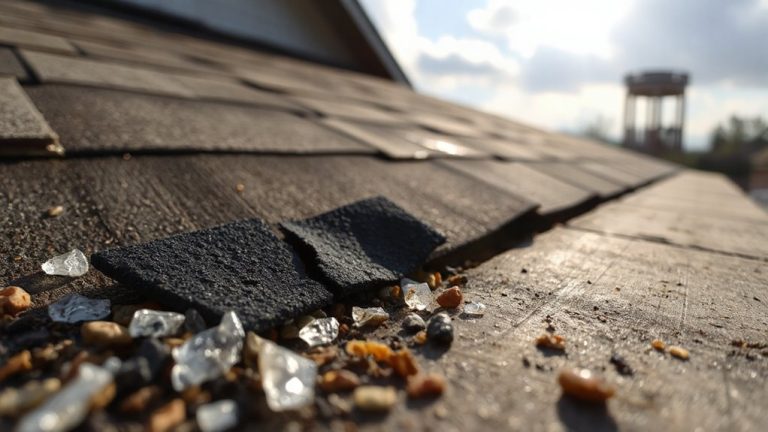
Your roof isn’t just shelter-it’s the first stage of your rainwater system, and its material directly affects water quality. Metal roofs are ideal; they shed water quickly and harbor fewer contaminants than asphalt shingles, which can leach organics. Avoid treated wood or lead-based materials-they’re risky for drinking water. Smooth, inert surfaces like galvanized steel or aluminum deliver cleaner harvests. For gutter design, seamless aluminum or stainless steel models reduce leaks and resist corrosion. Pitch gutters at 1/4 inch per 10 feet to guarantee flow without pooling. Tight seals at joints and hangers spaced every 3 feet prevent sagging and debris buildup. Oversized gutters (5- or 6-inch) handle heavy downpours better, minimizing overflow. Mesh covers help, but don’t rely on them-your roof material and gutter design set the foundation. Choose durability and cleanability over cost.
Pre-Filter Runoff to Block Debris and Contaminants
Though clean roofing materials help, they won’t stop leaves, twigs, or fine debris from entering your gutters during storms, so pre-filtration is essential for keeping collected water usable. Install gutter guards or leaf screens to block large debris while allowing water flow. These systems vary in effectiveness-some clog easily, others reduce runoff during heavy rain.
| Type | Debris Rejection | Flow Rate (GPM) |
|---|---|---|
| Mesh leaf screens | High | 8–10 |
| Solid gutter guards | Moderate | 6–8 |
| Foam inserts | Low | 5–6 |
| Reverse curve guards | High | 9–11 |
| Micro-mesh filters | Very High | 7–9 |
Gutter guards generally require less maintenance than leaf screens, but both need periodic cleaning. Choose based on your environment-forested areas need higher rejection rates. A solid pre-filter keeps sediment and organic matter out, reducing downstream contamination risks and ensuring better water quality before storage.
Store Water in Food-Grade Containers Only
Food-grade containers are non-negotiable for safe rainwater storage-you can’t afford to compromise water quality with harmful leaching or chemical residues. Only use containers labeled as food-grade, typically marked with a #1, #2, or #7 recycling symbol; these materials resist degradation and won’t leach toxins. Avoid repurposed chemical or detergent drums-even thorough cleaning can’t guarantee residual chemicals are gone. Always check for container labeling that confirms FDA compliance for food or water storage; it’s a reliable indicator of safety. Store containers away from direct sunlight to prevent algae growth and material breakdown. Establish a clear rotation schedule: note the fill date on each container and use the oldest water first. This keeps your supply fresh without depending on chemical treatments. Proper containers don’t eliminate contamination risks, but they’re the baseline for safety. For reliable options, consider one of the top-rated water storage containers based on expert testing and durability.
Keep Stored Water Safe to Drink
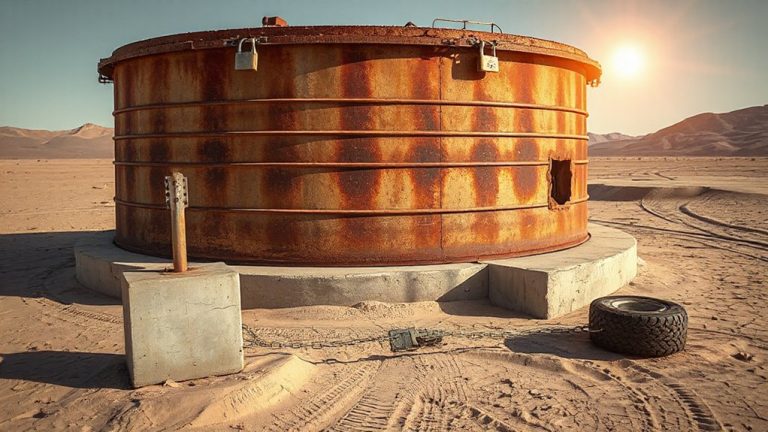
If you want stored rainwater to remain safe to drink over time, you’ll need to protect it from contamination and microbial growth-this means sealing containers tightly to block insects, dust, and animals, and using opaque, UV-resistant storage to stop sunlight from promoting algae. Keep water temperature stable by storing tanks in cool, shaded areas. Direct sunlight exposure encourages bacterial bloom and degrades plastic over time. Rotate water every six months to maintain freshness. For long-term reliability, consider opaque polyethylene containers as they provide excellent UV protection and durability.
| Container Material | Sunlight Exposure Impact | Water Temperature Stability |
|---|---|---|
| Clear Plastic | High – algae grows fast | Poor – heats quickly |
| Opaque Polyethylene | Low – blocks UV light | Moderate – insulates decently |
| Fiberglass | Low – resists UV damage | Good – maintains cool temp |
| Metal (coated) | Moderate – can heat up | Fair – varies with insulation |
Test and Purify Rainwater Before Drinking
How do you know if that rainwater’s safe to drink? You don’t-unless you test it. Visible clarity doesn’t guarantee safety; contaminants like bacteria, heavy metals, or pesticides can be present. Use water testing strips or a kit to check for microbiological and chemical contamination. These give quick results for pH, nitrates, and coliforms. If testing shows risk, use chemical purification. Household bleach (unscented, 5–6% sodium hypochlorite) works: add 8 drops per gallon, stir, and wait 30 minutes. Chlorine dioxide tablets are more effective against pathogens like Cryptosporidium. Iodine is an option but less reliable, especially in cold or cloudy water. Chemical purification won’t remove particles or heavy metals, so pair it with testing. No method’s 100%, but testing plus chemical purification cuts risk. In emergencies, it’s a practical trade-off: some protection beats none.
Clean Your System After Every Rain Event
Always clean your rainwater collection system after each rain event to prevent contamination buildup. A thorough post rain inspection helps spot debris, algae, or insect activity early. System sanitation isn’t optional-it’s essential for safe water storage. Neglecting cleaning risks pathogens and clogs, especially during extended outages when power-dependent filters may fail.
| Step | Task | Purpose |
|---|---|---|
| 1 | Remove debris from gutters and screens | Prevents organic buildup and blockages |
| 2 | Scrub tank interior with vinegar or bleach solution | Guarantees effective system sanitation |
| 3 | Rinse thoroughly and inspect seals | Confirms integrity post rain inspection |
Do this consistently. Vinegar works for light buildup; bleach is better for heavy contamination. Use food-grade seals and opaque tanks to reduce light exposure. Regular maintenance extends system life and guarantees water safety when you need it most.
On a final note
You can rely on rainwater in a blackout, but only if collected right. Use metal roofs and clean gutters to reduce contamination. Always pre-filter runoff and store in food-grade containers-never repurpose old chemical drums. After each storm, flush debris and sanitize the system. Test water for bacteria and treat by boiling or with chlorine drops. Proper setup and maintenance make rainwater a practical, short-term solution when the grid fails.