Conducting Monthly Checkups on Carbon Monoxide Detectors Near Sleeping Areas
You should test your carbon monoxide detector monthly by pressing and holding the test button for 5 to 10 seconds to confirm the alarm sounds. This verifies the circuit and battery are working. Place the detector near sleeping areas, about 5 feet off the floor, away from corners or vents. A full alarm means it’s functional, but false alarms can still occur if placement is poor. If it doesn’t sound, replace the battery or unit immediately-especially if it keeps chirping after a change. Older detectors lose sensitivity over time, even if they seem to work. Replace every 5 to 7 years for reliable protection. Knowing the exact model lifespan helps avoid failure when you need it most.
Notable Insights
- Press and hold the test button for 5–10 seconds monthly to confirm the alarm sounds and verify proper function.
- Test detectors near sleeping areas to ensure alarms can be heard clearly by all occupants.
- Install detectors at breathing level, about 5 feet above the floor, for accurate carbon monoxide detection.
- Replace batteries annually or immediately if low-power chirps occur, using high-quality alkaline batteries.
- Replace the entire detector every 5 to 7 years, even if functional, to ensure sensor reliability.
Test Your CO Detector in 10 Seconds: Here’s How
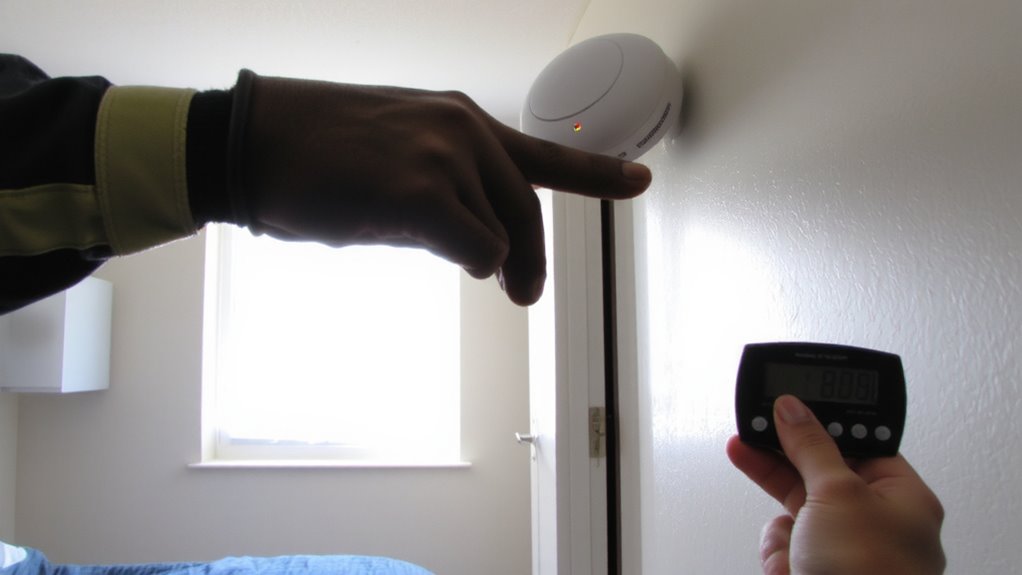
One quick 10-second test each month keeps your carbon monoxide detector ready when it matters. Press and hold the test button until the alarm sounds-about five to ten seconds. You’ll hear a loud, clear warning signal, confirming the alarm and battery are functional. This simple step also helps reduce false alarms by verifying the unit isn’t overly sensitive or out of sync. Over time, sensors drift, which is why sensor calibration is critical; most detectors auto-calibrate, but consistent testing guarantees they track real threats. If the alarm doesn’t sound, replace batteries immediately. If it persists in chirping or triggering without cause, clean the unit and reset it. Units older than seven years may fail even after passing tests-age undermines reliability. Testing won’t fix hardware decay, but it catches faults early. You’re not just checking a buzzer-you’re confirming a life-saving response.
Where to Place CO Detectors for Maximum Safety
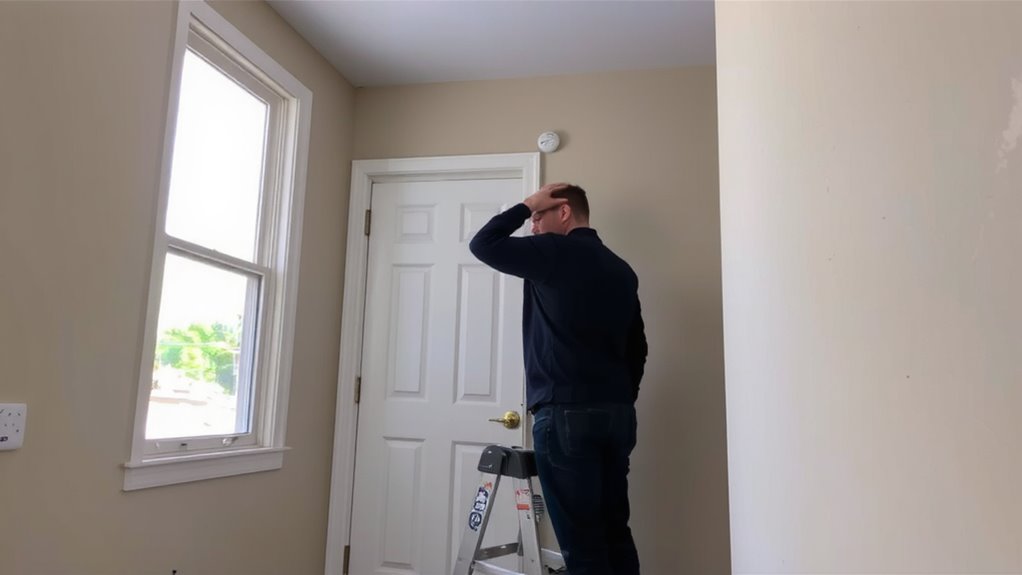
Where should you really put your carbon monoxide detector? For best placement, install it near sleeping areas so alarms wake you. Carbon monoxide mixes evenly with air, but detector height matters-place it at breathing level, about 5 feet off the floor, or on the wall. Avoid corners, windows, or near fuel-burning appliances where airflow may delay detection.
| Location | Recommendation |
|---|---|
| Near bedrooms | Required for alert effectiveness |
| Each floor | Guarantees full coverage |
| Garage or kitchen | Avoid-heat and fumes cause false readings |
Mounting too high or too low reduces response speed. Follow the manufacturer’s guidance for detector height. Test monthly after installation. Best placement means balance between proximity to bedrooms and distance from combustion sources. This guarantees early, reliable warnings without nuisance alarms.
What to Do If Your CO Detector Alarms?
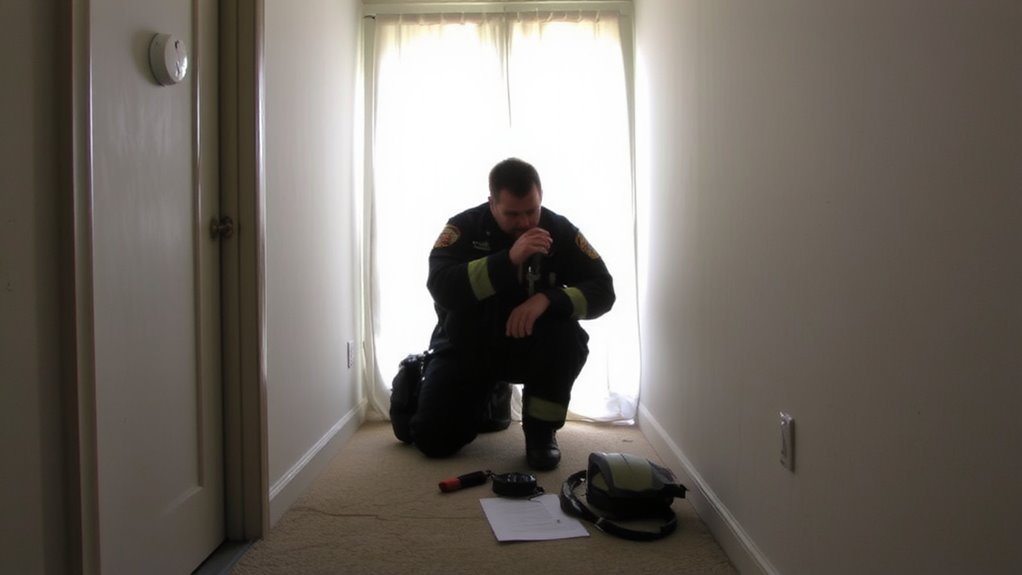
What happens when that shrill alarm pierces the night? Your first move is clear: don’t ignore it. Even if you suspect a false alarm response, treat it as real until proven otherwise. Immediately stop using fuel-burning appliances and open windows to ventilate. Then follow emergency evacuation steps-get everyone, including pets, outside fast. Once safe, call 911 or your local emergency number. Never re-enter until emergency responders confirm it’s safe. Emergency personnel can test CO levels and identify the source. Don’t rely on symptoms alone; CO is odorless and lethal. A detector alarm means your device did its job-don’t second-guess it. Waiting to see if conditions worsen risks exposure. Your response time matters. Evacuation and professional assessment are non-negotiable steps. Stay safe by acting fast, every time.
Signs It’s Time to Replace Your CO Detector
You’ve been counting on your carbon monoxide detector to keep you safe, but even the best units don’t last forever-most manufacturers recommend replacing them every 5 to 7 years. If your detector starts emitting a loud chirping every minute, it’s not just demanding new batteries; it’s likely signaling an expired sensor. This chirping won’t stop even after battery replacement when the sensor has reached end-of-life. Units older than seven years may fail to detect CO accurately due to degraded internal components. Some models display a warning light or message, but not all do. Don’t rely on testing alone-age alone is a reliable trigger. An expired sensor can’t be recalibrated. Replacement is the only safe option. Upgrade promptly to maintain protection. Your safety depends on timely updates, not extended use. Stay proactive-mark your detector’s install date and plan for its replacement.
CO Detector Battery: When (and How) to Change It
A steady green blink means your detector’s battery is functioning, but don’t wait for it to falter-replace the battery annually to avoid lapses in monitoring. Most detectors signal low voltage with a chirp every 30 to 60 seconds; this isn’t a warning to act soon-it’s confirmation the system is already compromised. Use a fresh alkaline battery, as cheap substitutes often deliver inconsistent power. Check for battery corrosion during replacement; white crust or residue means clean the compartment with a cotton swab before installing new power. Corrosion can interrupt connectivity even with a charged battery. Sealed lithium models last 10 years and don’t require changes, but for standard units, yearly swaps guarantee reliability. Don’t wait for seasonal cues-mark your calendar. A working battery isn’t just convenient; it’s critical for uninterrupted detection.
Top 3 Mistakes People Make Testing CO Detectors
Replacing the battery keeps your CO detector powered, but that doesn’t mean it’s working right. You might press the test button and hear a beep, but that only checks the alarm circuit, not the sensor. One common mistake is assuming the detector is accurate without actual exposure to CO gas. Second, you’re risking failure by ignoring manufacturer guidelines-each model has specific testing procedures and lifespan limits, often 5–7 years. Third, improper calibration skews results; some users test with smoke or propane, which won’t trigger a CO sensor. These detectors rely on electrochemical sensors that degrade over time and need correct methods to verify function. Testing monthly with a certified CO test kit is the only reliable way to confirm operation. Skipping proper steps gives false confidence. A silent detector may not warn you, even with fresh batteries. Follow the manual, use correct tools, and replace units on schedule.
On a final note
You save time and risk less with monthly CO detector checks. Test it in 10 seconds using the test button-no guesswork. Units fail silently, so verify function even if the light glows. Replace after 5–7 years; sensors degrade. Battery swaps every 6 months prevent downtime. Placement near sleeping areas cuts response time by up to 30 seconds. Skip haphazard testing-it’s not optional. Skip the complacency. It’s measurable: working detectors reduce CO fatalities by over 50%.