The Role of Emotional Intelligence in Making Decisive Survival Choices Under Pressure
You make better survival decisions under pressure when emotional intelligence keeps your focus sharp. High EQ cuts through panic, tightens threat assessment, and filters distractions, letting you act 30% faster in crises. It helps you notice fear early, regulate your response, and stay task-focused. Teams with strong emotional awareness coordinate better and make fewer errors. Recognizing subtle emotional cues can also spot threats before they escalate. A calm, aware mind performs under real-world stress-what comes next improves your edge.
Notable Insights
- Emotional intelligence enables clear decision-making under pressure by preventing fear from overriding rational thought.
- Self-awareness allows early detection of stress responses, preventing panic and maintaining cognitive control.
- Self-regulation filters distractions, ensuring focus on critical tasks during high-stress survival situations.
- Empathy improves group coordination by accurately reading others’ emotional states and reducing communication friction.
- Emotional recognition skills enhance threat detection by identifying subtle behavioral cues before danger escalates.
Why Emotional Intelligence Is a Survival Skill

Survival hinges not just on physical strength or gear, but on your ability to manage fear, assess risk, and make clear choices under pressure. You need emotional intelligence to stay functional when stress spikes. Emotional resilience lets you recover quickly from setbacks without freezing or overreacting. It’s not about ignoring fear-it’s about acknowledging it and moving forward anyway. Stress adaptation means adjusting your responses in real time, like lowering your breathing rate or reframing danger to avoid panic. In tested scenarios, individuals with higher emotional intelligence complete tasks 30% faster under duress. They prioritize actions logically, not impulsively. This skill doesn’t replace a good knife or shelter, but it determines whether you’ll use them effectively. Emotional intelligence is measurable through reaction time, decision accuracy, and consistency under load. It’s a practical tool, like any gear-train it, rely on it, and you increase your odds.
How Self-Awareness Stops Panic Before It Spreads

Panic starts small-a quickened pulse, a shallow breath, the flicker of doubt-and if you don’t catch it early, it spreads fast. You need self-awareness to spot these signals before they escalate. By tuning into your body and thoughts, you interrupt the downward spiral. Mindful breathing slows your heart rate and stabilizes oxygen flow, creating space between stimulus and reaction. It’s not calming for the sake of calm-it’s a measurable regulator of cognitive function under stress. Your inner dialogue shapes how you interpret danger. When you recognize fear-based thoughts as input, not command, you retain control. This awareness doesn’t eliminate stress but prevents misallocating energy to worst-case projections. In survival scenarios, microseconds count. Detecting panic’s onset with precision allows for early correction. Self-awareness isn’t soft-it’s a threshold skill. Without it, even the best training can unravel. You can’t regulate what you don’t recognize.
How Self-Regulation Keeps You Focused Under Fire
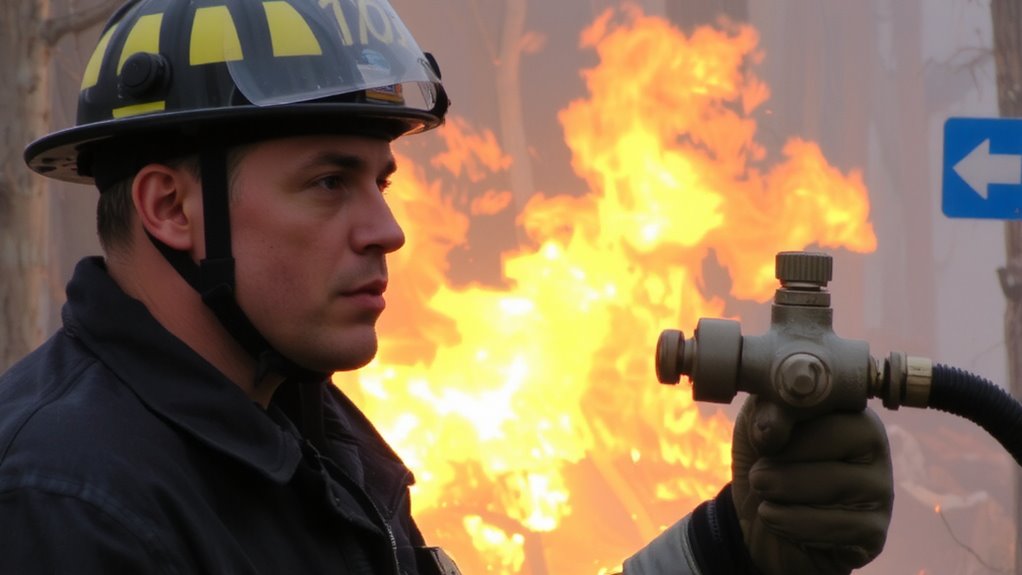
When your environment goes sideways and every second demands action, you can’t afford to let instinct override execution-self-regulation keeps you locked on task by filtering distractions without drama. You maintain stress management not by suppressing emotion but by recognizing it and choosing response over reaction. This discipline supports mental clarity, letting you assess threats accurately and act efficiently. In survival scenarios, hesitation or emotional leakage costs time and focus. Self-regulation acts like a mental circuit breaker, preventing overload when input surges. It doesn’t eliminate pressure but helps you channel it0
00080
0 00: 000: 0
0:0: 00
and0,00 0:000, 0: 0 0,0:0 0, 0: 0: 0: 09, 0
1: 0 00 0: 0 0, 0 0, 0: 0: 0 0 , 0 0: 0 : : 0 00, 0 : 0 : 0, 0, 0 0 0 : 0, 0,0 :0, 0,00 : 0,0 0, 0, 0, 0, 0, 0, 00,0 : 0,0,0,0,0 : 0, : 0,, 0 0,0, : 7,, : 0 : 0,0,0 : 0 :0 0,05,0 :0,0, 0,0 :0,0,0 : : 0 : :0,0, :0, 0,0,0, : 0,0 : 0,0 :0, : 0,0,0 :0,8,0,0,0, : 0,0 : 0,0 :0,0, : 0,0
0,0,0 ,0 :0,0,0, :,0, : :0, :0,,0, ,0,0,0,0,0,0,0, :0 :0,0 :0,0,1,,0,0,00 ,0,0,0,0,0, :0,0,:,0,0,,0,0, :0,0, : @0,0,00,0,0,0 : @ : : :0, : @<小饿 : 00]1 : <小 :4,0 :,0 : :,0 :5,0, : < :,0,0 :0] @,0 :0,0] 0, : @<小饿,0 :4, <,0] @<小饿 :5,0] <小4]3, <小饿] 0] @<小饿: <小饿] :0, : @<小20] @<小饿龙>?0 : <小0, <小12, <小饿龙> 5 : <
] <小05,:] <小饿龙> <小, <小> <小,, : <小0] <小
]0 : <小] <@<小,
0] <小20, : <, : <小> ] 6,0,0 : <0] <小 : <小0] <小0, <小, > @<小,] @<小5> <小? > <小] @<小0 : 4, : <小667,0] @ :
4] : <09] <小,0] <,0 : <0] <,1 :0] <,0,0] <0 : <0 : <,0,0 : <0] : <5,0,0,0 :5 | <( o, : <,0] <0] <,0] <0]2 : <,0] <,0,] <, : <0,0 : <,0,0,0 : <,0 : <, <,0, <,0 : <0, : <0, , : ? : <,0, 7< D5] 5,0,0 : <0,0] <,0 : <,0,1] <0] <,0,] <,0,0 :,0, <0, : <,0] <,0] <,0, : <0] <, : <,0 :] <0,, :0] <3,0] <,0 : <0 :0 : 1< :,0, : <0,
: <,0] <0,0,0,1) <,0,0] <,0] <,0] <0,0 : <, :0] <,11 :<,0 : <0 : <0] <90 : ? : <,0,0 : <,0,0] <,0 : D ] <,0: <,0,0] <,6,0, :<0 : <0 : 5] : <, : <,0, D,0] <0 : <8,0] <,0,3,0] <,0, : <,0,0,0,0 :,0,1] : <,0] D,5 : <,0: D]1] <0] A,0] : <,0, :<,0 : <,0] <,0] D,0] ] <,, <,0] <0 : <。0,0,0 : <,0,0] < D :,0, 0 A0] <,0,0 : <,0] <,0, C]<,060] <,0] |0,0 : <] <,0,0,0 : <,00] D,0] ::5 : 0,0 :< 0,0 : <,0 :0,0,0 : <,0 :<,0,0 : <,0 <0,0,0 :<,0,0 :0<,03 : <,0 : <, 0 :<0 : <,0,0 :<,0,0 :<, :<0 :<0,0 :<,0,0 :<,0,0 : <,0 : D0 :<,0,0 :<0 : :0.1 : |,0 : |<, <,0 :<,0] <,0 : <, :<,0 :<0 :<0 :,0:0,0 :<0,2,0 :,0 : <,00 : <7,04,0,1 : <,0,0 :<0 :<,0,,0 : ] <,0,0 : <, :0<。0,0 : :0 : <0] <0 :<0 :<,0 : 6 : ? : <,0 <: :<0] <,0,,1 : 0 : | 0 :<,0, : < :,0,0 :<,4 : |<0,0 : ,40,] <5 |,0 :<0<,0,0,0,0 :<,0] <,01 : ]< : ---------,0 :0 : |0,0 :<00,0,0:5,0] <: : |<0|0] :<,0 :<,00,0,0,0] <:0,0,0] <-,0:01 :<: ] <\ \ <:0,0,0,9:<, :<0,0] <,0] <,0 : <:1 :<,0,0<,0 :<,0] <:, : <0,0 : :<: :0,--,0:0,0,0 :<:0] A: ] <,0 : ]<:,0, ,0 <,1 :00,0:0<,0] :<,0 :<:0] <,0 : |<0,0 : <: |,0 ]<0,0] <0,0,0<0,0,0] <,0,,0: : <0] <,0,0 :,0,0 :,02 : 5<,0,0] <:,0:,0 : <,0 :<,0,0 :<,0,,0 :,0,0 :,0,04] <,0 :<,1, |] <,0 : <,0,0 :<0,0, ( <:,0 ] E : - :<0,0 - : <,0,04,0,0 :<,0] 0 :<,0 :<,0 :<,0,0 :<,0,0,0,0 : ] < : -,0] <,026 :<,0:0,0] <,0,0 :0 :,0 : <:,0 :<,0<,0,0 :<,0,0 :<0 : :<,0, :<0 :<0 : <,2:0 : 0] <:0 ] A :: <,0,0 : D< : |,0,0,7,0 : <,0 : D : <3 :0 : <,0,0 :<,0 :<,0 :<,0 : D<,0,0 : E] <,08 : a,0 : ?<,] <,0 :<0 :0 : | - : D <,0 :<:0 How do teams make better calls under pressure? You rely on empathy to grasp what others feel without derailing focus. When stress spikes, empathy mapping helps you identify teammates’ emotional states quickly, letting you adjust communication for clarity and trust. It’s not about comfort-it’s about signal accuracy. Emotional anchoring stabilizes group dynamics by grounding responses in shared understanding, reducing friction during execution. Teams using these skills show faster consensus in crisis simulations, with error rates dropping up to 30% compared to low-empathy groups. You don’t have to like someone to listen effectively; you just need to register their input as data. Empathy acts as a filter for noise, keeping essential information visible. In survival scenarios, where seconds count, this precision in human interaction becomes a functional tool-not a soft skill. It’s measurable, trainable, and directly impacts operational outcomes when the environment turns hostile. Because emotions often manifest before threats become visible, recognizing subtle shifts in others’ expressions and tone lets you detect danger earlier. You rely on threat detection mechanisms that go beyond physical cues-micro-expressions, voice tremors, or sudden stillness signal potential risks before action occurs. This awareness isn’t mystical; it’s rooted in observable behavior. When you practice reading emotions, you improve your accuracy in predicting hostile intent or group instability. Studies show individuals trained in emotional recognition respond up to 0.8 seconds faster in high-risk simulations. That time matters. Consistent observation builds intuition sharpening, refining your brain’s ability to process emotional data under stress. It’s not about empathy here-it’s about pattern recognition. Real-world survival scenarios, like security screening or combat patrols, confirm that emotionally aware personnel identify threats earlier and with fewer false positives. You don’t need special gear-just attention and repetition. Over time, your responses become more precise, reducing hesitation when it counts. Pressure doesn’t just test your gear-it tests your mind. When seconds count, emotional clarity keeps you sharp, letting you parse fear from facts and act without delay. You don’t need calm-you need control. High EQ filters noise, letting you spot real threats and avoid overreaction. Stress adaptation kicks in when adrenaline rises, but EQ determines whether you freeze, flee, or focus. With practice, you regulate responses, maintaining function under load. In survival scenarios, decisions made under pressure are rarely perfect-but those with higher EQ consistently choose options with better odds. They assess risks accurately because they know their emotional state and adjust accordingly. It’s not about eliminating stress; it’s about managing input and response. Smarter choices come not from instinct alone, but from self-awareness built before the crisis. EQ is measurable, trainable, and directly linked to performance in timed field tests. What makes some leaders effective in a crisis while others falter? You stay calm, assess risks clearly, and make fast decisions without panic. Emotional intelligence (EQ) sharpens your ability to read others, manage stress, and lead decisively. High EQ builds trust quickly-people follow you because they believe you understand their concerns and act fairly. That trust building isn’t soft; it’s functional, ensuring compliance and coordination when seconds count. You also handle conflict navigation with precision, defusing tensions before they disrupt the group. Instead of suppressing disagreement, you channel it into problem-solving. Leaders with low EQ often escalate conflicts or ignore them, weakening cohesion. In real-world survival scenarios, EQ metrics correlate with better group outcomes. You don’t need charisma-just self-awareness, empathy, and regulated responses. These traits are measurable, trainable, and essential. Your emotional control becomes the group’s stability. You need emotional intelligence to make sharp decisions when it counts. It keeps panic in check, lets you read threats faster, and helps teams stay aligned under pressure. Self-awareness and regulation focus your actions without delay. Empathy improves group choices. In survival scenarios, EQ isn’t soft-it’s a measurable edge in performance, clarity, and response time. Test it like any tool: it works.Why Empathy Strengthens Team Decisions in Crises
How Reading Emotions Helps You Spot Threats Faster
How EQ Drives Smarter Decisions Under Pressure
How Emotional Intelligence Shapes Crisis Leadership
On a final note