Using Sprouted Grains to Improve Protein Bioavailability in Stored Foods
You store grains for protein, but much of it goes unused unless you sprout them first. Sprouting cuts antinutrients like phytic acid by 30–70%, helping your body absorb more amino acids and minerals. It boosts digestibility and raises B and C vitamin levels. Wheat, rye, and barley sprout reliably even after years in storage. Use clean jars, water, and daily rinsing. Dry sprouts fully before storing. You’ll see how small steps greatly improve long-term nutrition.
Notable Insights
- Sprouting grains significantly increases protein bioavailability by reducing antinutrients like phytic acid.
- Reduced phytic acid improves both protein digestion and absorption of essential minerals such as zinc and iron.
- Germination enhances amino acid profiles, making stored grains more nutritionally complete.
- Sprouted grains show increased levels of vitamins B and C, boosting overall nutritional value.
- Properly stored viable grains like wheat, rye, and barley can be sprouted after years to improve protein quality.
Why Protein Bioavailability Matters in Stored Foods
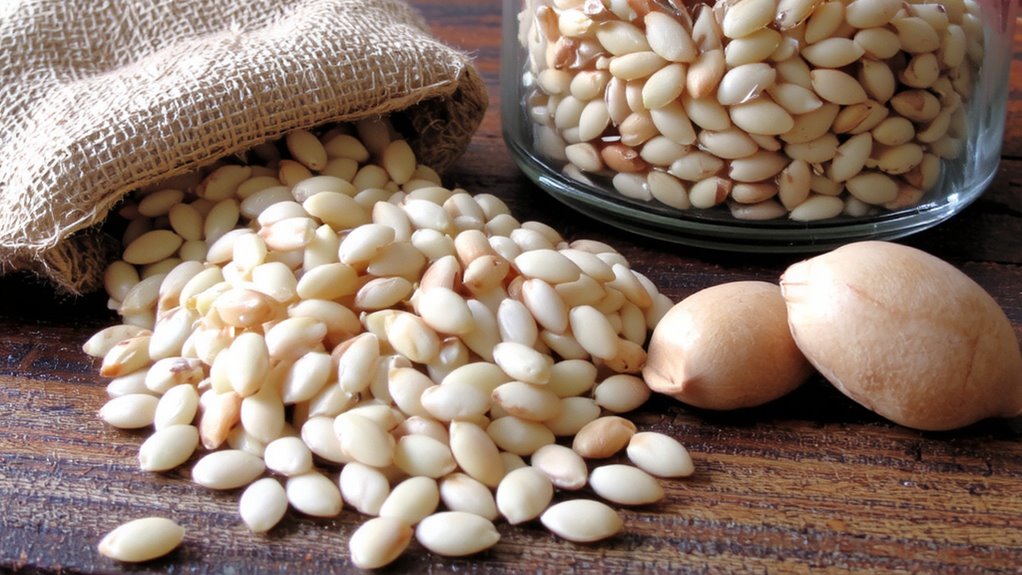
What good is a high-protein food if your body can’t actually use most of it? When storing food for long-term use, protein bioavailability matters because not all proteins deliver equal value. You need adequate essential amino acids, and if your food’s amino acid profile is incomplete or poorly absorbed, you’re not getting the nutrition you counted on. Protein quality isn’t just about quantity-it’s about usability. Grains like wheat, rice, and barley may seem protein-rich, but their native forms often lack balanced amino acid profiles and have low digestibility. That means even if the label says 10g of protein, your body might absorb far less. In survival situations, this gap can undermine strength, repair, and immunity. Choosing foods with proven bioavailability guarantees you actually benefit from the protein you’ve stored. It’s not enough to stockpile protein-you need usable protein.
How Sprouting Breaks Down Antinutrients in Grains
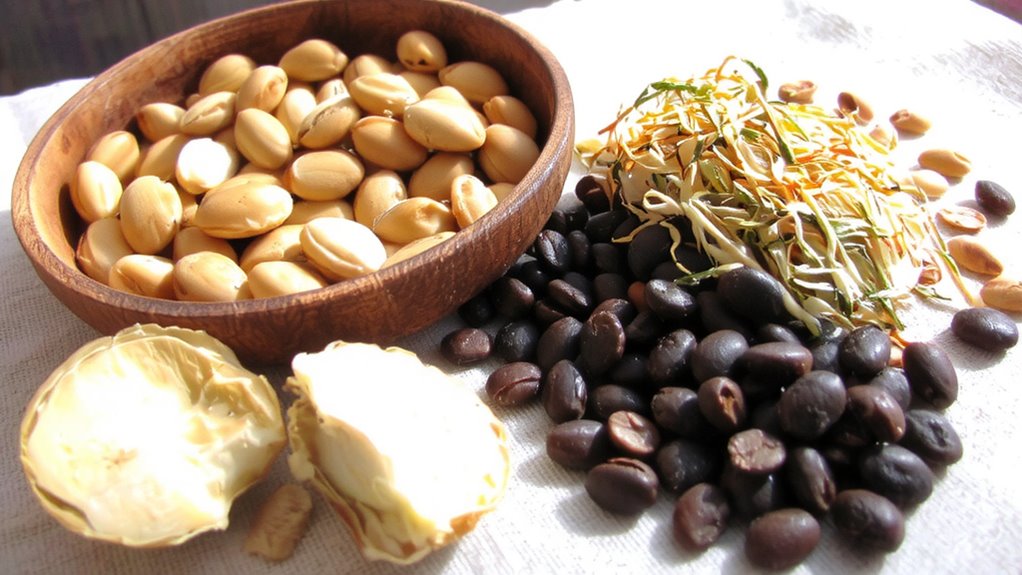
While sprouting won’t turn grains into steak, it does make their protein more accessible by reducing antinutrients like phytic acid, which otherwise bind to minerals and block protein digestion. You trigger enzyme activation simply by soaking and germinating grains, and those newly awakened enzymes start breaking down compounds that interfere with nutrition. Phytic acid reduction is one of the most measurable benefits-studies show levels can drop by 30–70%, depending on the grain and sprouting duration. This isn’t theoretical; it means your body absorbs more zinc, iron, and magnesium while releasing amino acids for better protein utilization. The process takes 2–5 days and requires only water, time, and basic hygiene. It won’t eliminate all antinutrients, but it’s a low-effort step with clear functional payoff. For long-term storage diets, where every nutrient counts, sprouting improves the effective value of what you already have without adding cost or complexity.
What Nutritional Benefits Come From Sprouted Grains?
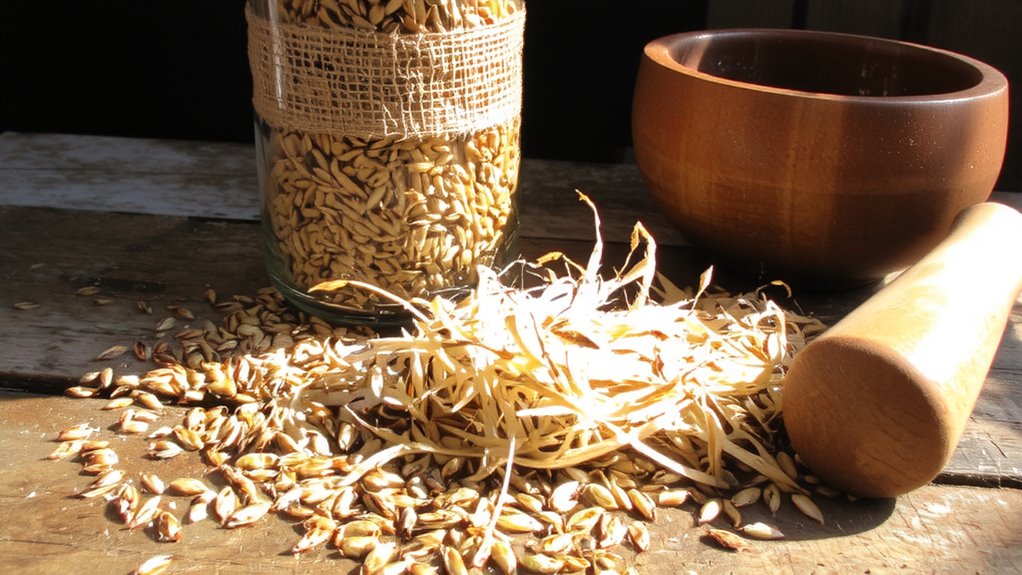
Sprouting doesn’t just reduce antinutrients-it actively boosts the nutritional quality of grains in measurable ways. You get amino acid enhancement, meaning your body absorbs more usable protein. Enzyme activation during sprouting breaks down starches and proteins, improving digestibility and nutrient release. These changes are small but meaningful over time, especially in stored diets where nutrient density matters.
| Nutrient | Before Sprouting | After Sprouting |
|---|---|---|
| Protein availability | Moderate | High |
| Digestibility | Fair | Improved |
| Vitamins (B & C) | Low | Noticeably higher |
| Enzyme activity | Dormant | Active |
| Amino acid profile | Standard | Enhanced |
You’re not gaining miracle nutrition, but you are getting more from the same grain. That edge adds up in long-term scenarios. Enzyme activation and amino acid enhancement deliver practical, measurable benefits-nothing exaggerated, just smarter use of what you already store.
Best Grains to Sprout for Long-Term Storage
Why settle for average when your stored grains could deliver more? Focus your grain selection on hardy, nutrient-dense varieties that sprout reliably after long dormancy. Wheat berries, rye, and hulled barley maintain viability for years when stored properly, making them top choices. Brown rice and oats sprout less consistently but still work if freshness is verified. Your storage methods directly impact success-keep grains in airtight, vacuum-sealed containers with oxygen absorbers, then store in cool, dark conditions. Moisture and heat reduce sprouting rates, so avoid basements or garages unless climate-controlled. Prioritize non-hybrid, untreated seeds meant for planting, as commercial grains may be heat-treated and won’t sprout. You’ll get better protein bioavailability only if the grain can actually germinate. Match each grain’s resilience with your long-term needs and test batches every six months.
How to Sprout Grains at Home
How do you turn ordinary grains into more digestible, nutrient-rich food? You sprout them at home with minimal sprouting equipment: a glass jar, mesh lid, and water. Start by rinsing your grains, then soak them. The soaking duration varies-typically 8 to 12 hours for wheat, 6 to 8 for smaller grains like millet. After soaking, drain and rinse twice daily, letting them sit at room temperature. You’ll see sprouts in 1 to 3 days. This process reduces phytic acid and boosts available protein. It’s simple, low-cost, and doesn’t require special tools beyond basics. Rinsing frequency matters more than equipment quality. Grains sprout reliably if kept moist but not wet. Once sprouted, dry them thoroughly before storage to prevent mold. You can use a dehydrator or oven on the lowest setting. Dried sprouted grains store well in airtight containers.
On a final note
You boost protein bioavailability in stored grains by sprouting them. It reduces antinutrients like phytic acid, improving digestion and nutrient access. Sprouted grains offer more usable protein, vitamins, and minerals than unsprouted ones. Wheat, barley, rice, and oats sprout well and store long-term. Sprouting at home takes 2–5 days with minimal effort. The process isn’t perfect-it adds prep time and requires dry storage afterward-but the nutritional gains are measurable and consistent across grain types.