Why Fiber Content Matters in Long-Term Emergency Food Planning
You need fiber in your emergency food because it keeps your digestion working, especially when stress or inactivity slows things down. Most shelf-stable meals fall short, some with less than 1g per serving, risking constipation and poor nutrient absorption over time. Aim for 25–30g daily from reliable sources like beans, oats, or chia seeds-foods that last years and deliver real fiber, not fillers. Choosing wisely now prevents avoidable health drops later.
Notable Insights
- Fiber supports digestive health, especially when stress and routine changes disrupt normal bodily functions during emergencies.
- Most shelf-stable meals lack adequate fiber, risking constipation and reduced nutrient absorption over time.
- Including high-fiber foods like beans, lentils, oats, and chia seeds ensures sustained gut health and regularity.
- Aim for 25–3 combustible grams of fiber daily to maintain energy levels and overall resilience in long-term emergencies.
- Natural fiber sources in emergency foods improve tolerance and effectiveness compared to synthetic or added cellulose fillers.
Why Fiber Matters in Emergency Food
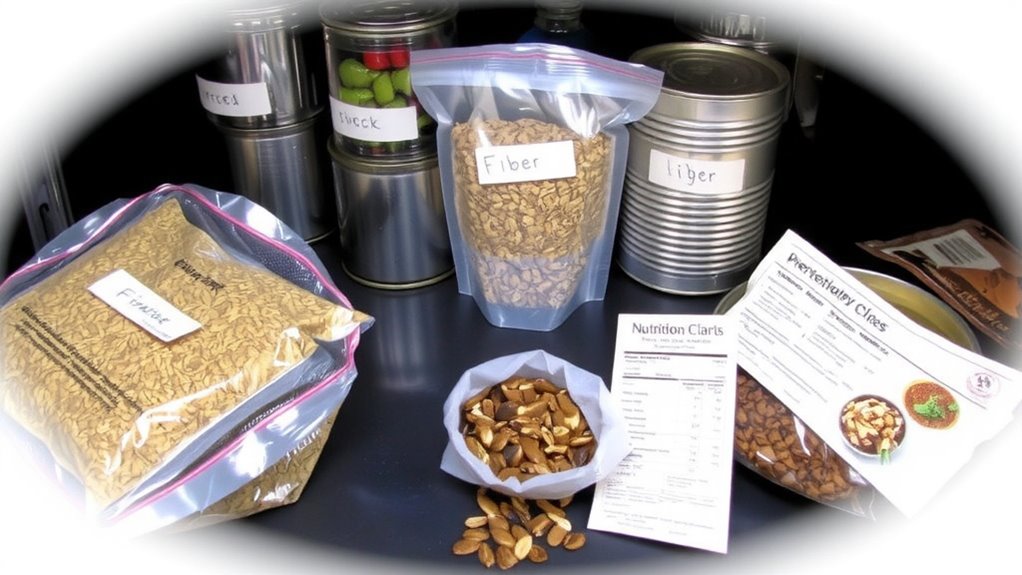
Fiber isn’t just filler-it’s a functional necessity when choosing emergency food. You need it to maintain digestive health, especially when stress and routine disruption slow your system. Most shelf-stable meals skimp on fiber, but ignoring it compromises nutrient absorption. Without enough, your body can’t efficiently extract vitamins and minerals from stored calories. Freeze-dried beans, oats, and whole grains outperform powdered substitutes, delivering 3–5 grams of fiber per serving-close to fresh food benchmarks. You’ll notice fewer gastrointestinal issues and steadier energy when fiber is consistently included. Some meal kits advertise “balanced nutrition” but fall short below 20 grams per day, the minimum for adults. Check labels: natural sources beat added cellulose fillers in both tolerance and effectiveness. Prioritize options that specify fiber content clearly and list whole ingredients. It’s not about dietary trends-it’s about keeping your system working when help isn’t coming. For long-term preparedness, consider best survival food deals that emphasize high-fiber, nutrient-dense options.
What Happens If You Don’t Get Enough Fiber?
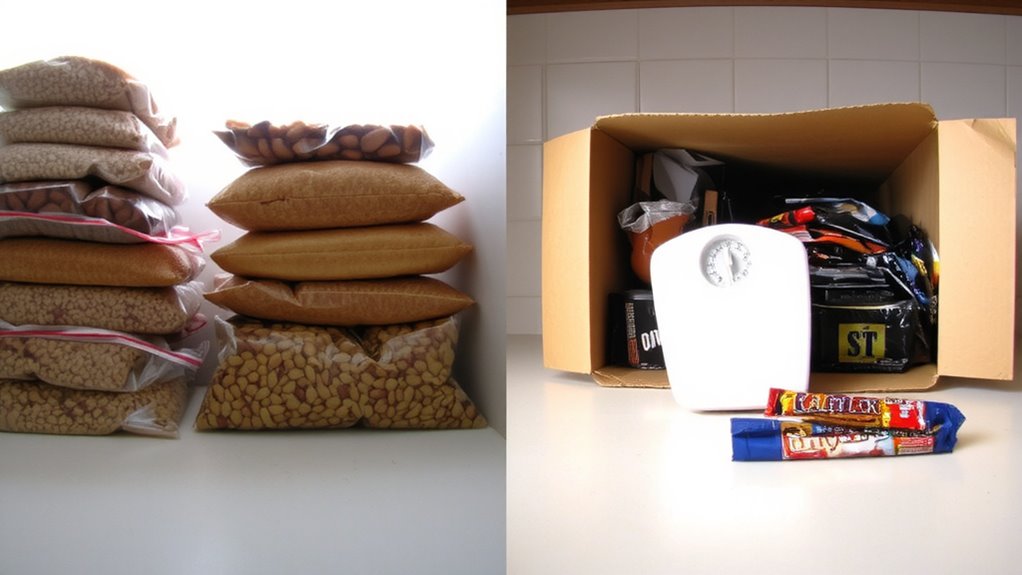
Many emergency food rations deliver calories but skimp on fiber, and that’s a problem you’ll feel within days. Without enough fiber, you’re likely to develop digestive issues like constipation or bloating, which can worsen under stress or inactivity. Fiber helps move waste through your system, so a lack of it slows everything down. It also disrupts nutrient absorption-your body struggles to extract vitamins and minerals efficiently when digestion is impaired. Over time, this imbalance can affect energy levels and overall resilience. Low-fiber diets don’t support long-term gut health, even if calorie counts look sufficient. You might stay fed, but your body won’t function ideally. In an emergency, where medical help is limited, avoiding preventable internal strain matters. Fiber isn’t just about comfort-it’s a functional requirement for sustained health when resources are tight and conditions are less than ideal.
Top Shelf-Stable Foods High in Fiber
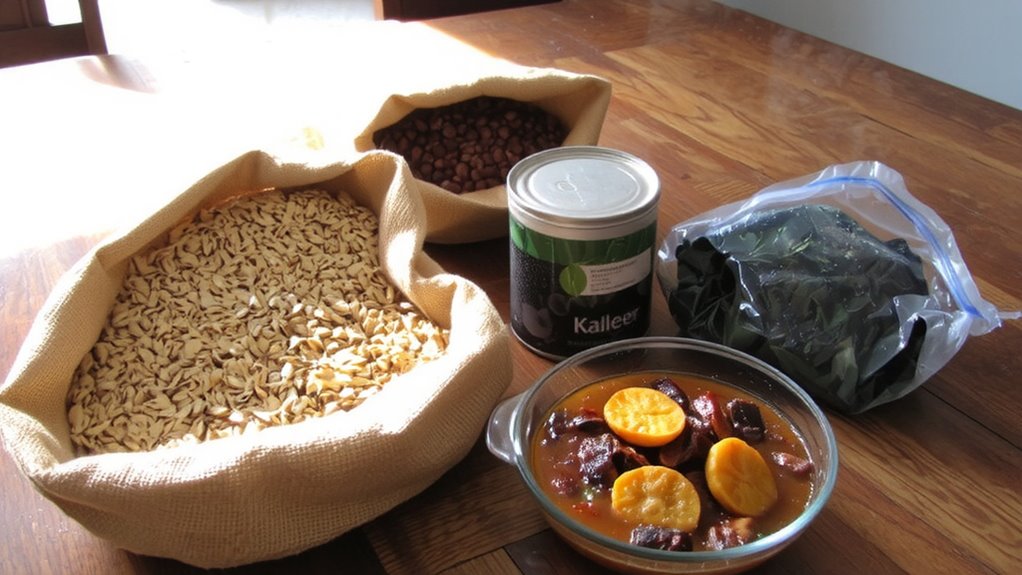
When building your emergency pantry, shelf-stable foods packed with fiber are non-negotiable if you want to maintain digestive function and overall health. You need options that support digestive health without spoiling quickly. Canned black beans deliver 7–8 grams of fiber per half-cup and offer high nutrient density, including protein and iron. Dried lentils, when stored properly, last years and provide about 15 grams of fiber per cooked cup. Whole grain oats in vacuum-sealed mylar pouches retain fiber (4 grams per serving) and essential B vitamins. Look for 100% bran cereal packed in nitrogen-flushed bags-it provides up to 10 grams of fiber per serving and resists moisture. Chia seeds, stable for five years in airtight containers, offer 10 grams of fiber per ounce and omega-3s. Each choice balances longevity with consistent fiber content and nutrient density, ensuring reliable performance when fresh food isn’t an option. For more guidance on selecting the right products, consult a trusted emergency food buying guide.
How to Balance Fiber, Calories, and Shelf Life
While shelf life matters, you can’t sacrifice fiber or calories if you’re counting on your emergency food to keep you functional. You need enough calories to sustain energy, and fiber supports digestion when regular eating patterns collapse. But high-fiber foods absorb moisture, which can shorten shelf life if not stabilized. Look for meals with moderate fiber-10–15g per 1,000 calories-so you avoid digestive strain without losing benefits. Fiber also influences hydration management; it binds water in the gut, so you must increase fluid intake to prevent constipation. Without adequate water, high fiber intake becomes a liability. Meanwhile, fiber can slow nutrient absorption slightly, but that’s often balanced by improved gut health over time. Choose freeze-dried or retort-packed meals with clear calorie-density specs and fiber content disclosed per serving. Rotate stocks every 5–7 years to maintain quality. Balance is measurable, not theoretical-aim for 2,000+ calories daily, 25–30g fiber, and proven 5-year shelf stability. A well-rounded emergency kit should also include a reliable best affordable sleeping bag to ensure restful sleep under challenging conditions.
How to Spot High-Fiber Meals on Nutrition Labels
One in four ready-to-eat emergency meals meets the minimum fiber target of 3g per serving, so you’ll need to read labels carefully to find ones that actually support digestive health. Start with label literacy: check the Nutrition Facts panel first. Look for “Dietary Fiber” under Total Carbohydrate. If it shows at least 3g per serving, it’s a high-fiber candidate. Fiber identification isn’t always straightforward-some products list “soluble” and “insoluble” types, which helps you assess quality. Ingredients matter too; whole grains, legumes, and seeds signal better fiber content. Avoid meals where fiber is added artificially-check for inulin or chicory root if you want natural sources. Don’t rely on marketing claims like “good source of fiber” without verifying the numbers. Real fiber support comes from consistent, measurable grams per serving, not buzzwords.
How to Build a Fiber-Rich Long-Term Emergency Kit
Why settle for survival food that skimps on fiber when your long-term health depends on it? Build your kit with meals offering at least 3–5 grams of fiber per serving. Prioritize items like lentil soup, black bean chili, and whole-grain cereals-meals proven to support digestion over weeks. Include a balance of soluble and insoluble fiber sources to maintain regularity. Consider meal variety not just for taste but to guarantee consistent intake; rotating options helps meet daily fiber goals without burnout. Respect your texture preference-some tolerate freeze-dried vegetables well, while others prefer canned beans or whole grains. Match fiber sources to your tolerance: high-fiber bars may work short-term but lack volume for sustained fullness. Rehydrate foods fully to aid digestion. Test your selections during drills. Adjust based on satiety, ease of prep, and digestive response. A practical kit balances fiber, shelf life, and real-world usability.
On a final note
You need fiber in your emergency food to keep digestion working and avoid health issues over time. Low-fiber diets cause constipation and discomfort, especially when stress and routine changes already strain your body. Shelf-stable options like beans, oats, and high-fiber cereals deliver needed roughage without sacrificing shelf life. Check nutrition labels for at least 3–5 grams of fiber per serving. Balance fiber with calories and storage needs so your kit supports real, long-term survival.